There has been a revolution in the dental healthcare industry in the past few decades with an increasing demand for biotechnology-based products to treat prevalent oral disease conditions. Treatment, prevention, and management in the oral cavity are being transformed by peptide-based dental products, which are among the most promising developments in the field. Peptide dental offers a very effective and natural means to replace traditional dental treatments for numerous applications, such as gum regeneration, tooth remineralization, and oral infection prophylaxis.
Due to increasing demand for new and biocompatible dental materials, peptide-based dental products are storming the global market. Research-led benefits of peptides, consumer demand, and developments in dental biotechnology all suggest that this industry can grow explosively. Let us elaborate on the market situation, key breakthroughs, and scope of peptide-based dental therapy.
Knowledge of the Function of Peptides in Dentistry
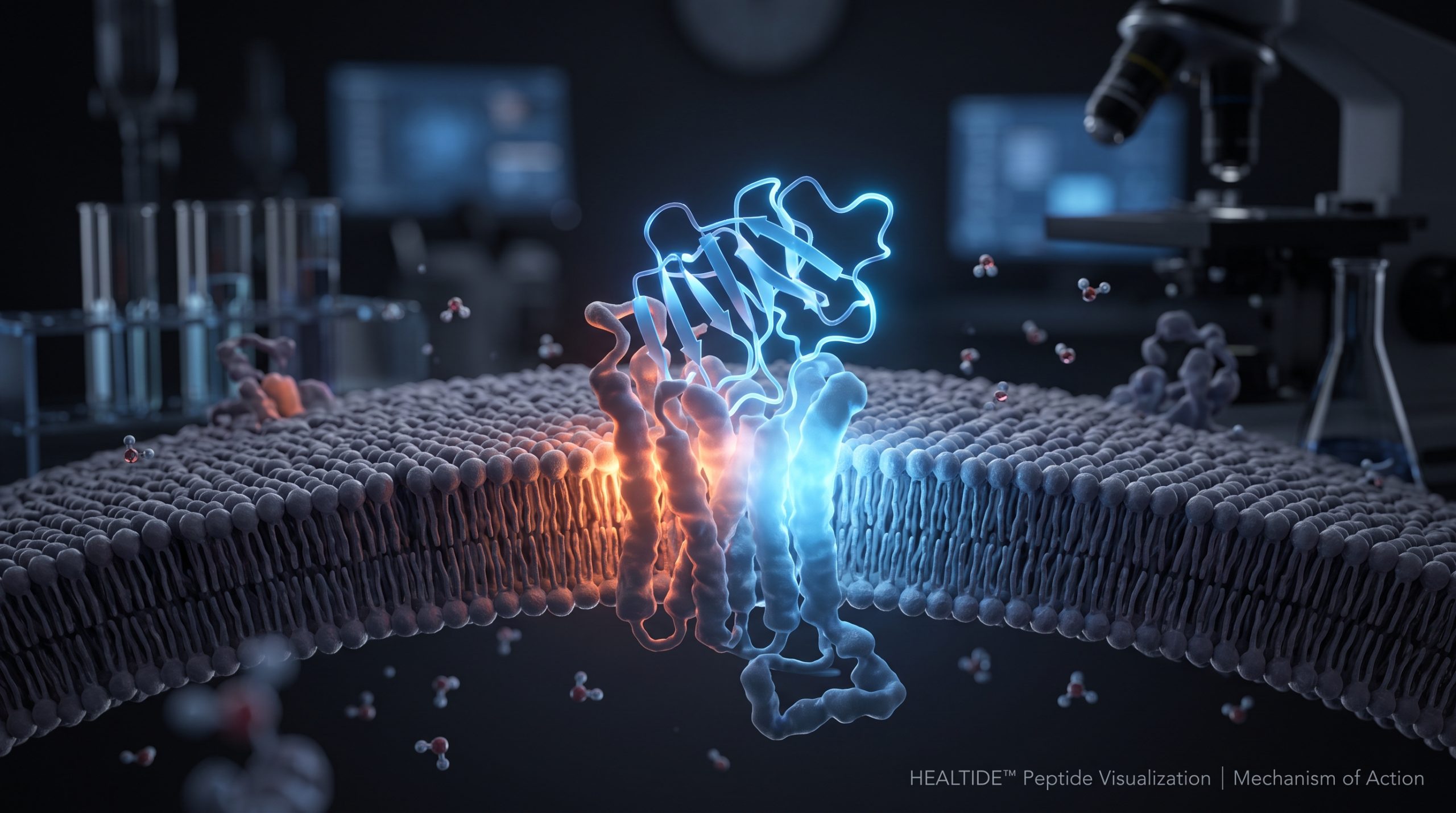
Peptides are short chains of amino acids that play crucial roles in most biological processes, including immunological defense, healing of wounds, and antibacterial activity. Bioactive peptides are being integrated into oral products for dentistry to enhance gum stability, stimulate tooth remineralization, and combat bacterial infection.
Peptides play various roles in oral care, including:
- Teeth remineralization: Some peptides, e.g., self-assembling peptides (SAPs), induce the formation of hydroxyapatite in dental enamel mineral structure, thereby reinforcing teeth and enamel regeneration.
- Gum tissue restoration: Peptides that are fibroblast-stimulating and play a role in the regeneration of lost gum tissue are collagenous peptides.
- Antimicrobial effect: By eliminating oral bacteria, plaque, and infection, specific antimicrobial peptides (AMPs) reduce the number of cavities and gum disease.
- Healing Post-Surgery: In order to facilitate faster healing and less swelling, dental surgery is employing peptides to induce healing.
Peptide mouth care products are increasingly being ordered because of such benefits as the patients and dentists increasingly look for a safer and more effective option to conventional chemical products.
Market Trends Driving Dental Products Based on Peptides
Peptide-based oral treatment is expanding exponentially due to a range of significant trends:
-
Consumer Trend to Biotech and Natural Dental Care
Consumers today are becoming increasingly aware of the contents of the dental products they purchase. They want natural, safe, and scientifically proven treatments. Many consumers are seeking alternatives that have no fluoride but still provide remineralization. This area is very well served by peptide-based mouthwashes and toothpaste, which are gum and tooth-friendly without the risks associated with some chemicals.
-
Growing Insight into the Interdependence of Oral and General Well-being
The link between oral health and general health is still being stressed in scientific studies. Oral care is more critical than ever before because diseases like gum disease have been linked to diabetes, Alzheimer’s, and heart disease. By inhibiting harmful germs and treating swelling gums in the initial stages, peptide-based treatment offers a preventive solution that minimizes the chances of systemic health problems.
-
More Finance for Dental and Biotech Advances
Dental R&D is a prime sector of focus for the biotech industry, which is experiencing a boom in investment. Peptide dental technology firms are receiving investments to engineer next-generation dental products, including mouthwashes, toothpaste, and gum disease care with peptides. Future ambitions also include the development of peptide formulations that are specifically tailored to each patient’s requirement.
-
Expansion of the Functional and Regenerative Dentistry Market
While conventional dentistry has been focused on repairing teeth issues, regenerative dentistry is gaining traction. Peptide-based treatments facilitate this trend by supporting the body’s intrinsic tissue healing and repair mechanisms, reducing the demand for invasive medical interventions.
-
Adoption by Regulations and Clinical Verifications
Oral peptides are beginning to gain regulatory approval for general use as more clinical trials confirm their safety and efficacy. The adoption of peptide-enhanced dental treatments by dental practitioners and institutions will further spur market growth.
Revolutionary Developments in Peptide-Based Dental Products
Several companies and scientists are investigating the uses of peptides in dentistry. Here are some of the most exciting advances in dental products based on peptides:
-
Toothpaste Based on Peptides for Enamel Restoration
Self-assembling peptide (SAP)–containing toothpaste formulations are increasingly prevalent. In the absence of fluoride, the peptides promote the restoration of lost minerals, repair of diseased enamel, and prevention of cavities. The commercial peptide-based remineralization toothpaste already introduced by some manufacturers is intended to meet consumers desiring a fluoride-free yet effective alternative.
-
Antimicrobial Peptides in Mouthwashes
Alcohol and chlorhexidine, which are typical components of conventional mouthwashes, may disrupt the delicate balance of the oral microbiome. Novel peptide-based mouthwashes aim to maintain healthy oral flora while selectively targeting harmful bacteria. While gentler on the mouth, these antimicrobial peptides (AMPs) are designed to fight gum disease, cavities, and plaque.
-
Dental Gels with Peptides for Gum Regeneration
Gum recession is a critical problem, especially in adults. Collagen-stimulating peptides are incorporated into the preparation of peptide-based dental gels to help restore lost gum tissue. To maintain the long-term health of the gums, these gels can be applied daily or post-surgery.
-
Dental Fillings and Implants with Bioactive Peptides
To enhance compatibility with regular tissues and reduce the risk of infection, scientists are testing peptide coatings for dental implants and fillings. This discovery could lead to less complicated and longer-lasting dental fillings and implants.
-
Intelligent Peptide Compositions for Customized Dental Treatment
Personalized treatments tailored to every individual’s specific oral health needs are where Oral peptides are going. To deliver a truly personalized dental care experience, businesses are creating AI-based peptide formulations that may be tailored to an individual’s specific enamel composition, gum health, and bacterial load.
Opportunities and Challenges in the Peptide Dental Market
Challenges
Some challenges remain despite the promising growth:
- Regulatory Challenges: It is time-consuming and expensive to acquire FDA or EU approval for new peptide-based drugs.
- Cost of Manufacturing: The cost of producing high-quality peptides may influence pricing and accessibility.
- Public Education: Greater efforts are required since numerous people are not yet aware of peptide-based oral health.
Opportunities
On the other hand, there are more opportunities than challenges:
- Increasing Demand for Biotech Oral Care: In a bid to enhance their oral health, more individuals are willing to embrace biotech-based treatments.
- Collaborations Between Dental and Biotech Firms: Such collaborations can help speed up the development and approval of new products.
- Online Sales Expansion: Market coverage is enhanced by the ability to sell directly to consumers via online channels.
Since they facilitate gum regeneration, enamel remineralization, and antibacterial defense, peptide-based dental solutions are revolutionizing dental care. Why biosynthetic peptides are the future of advanced dental treatments lies in their ability to provide highly targeted, biocompatible solutions. The innovative methods of treatment will increasingly take over traditional techniques as research continues to advance. Taking the lead in developing novel peptide-based products, AHB Lab promises premium-quality, science-backed oral health remedies.