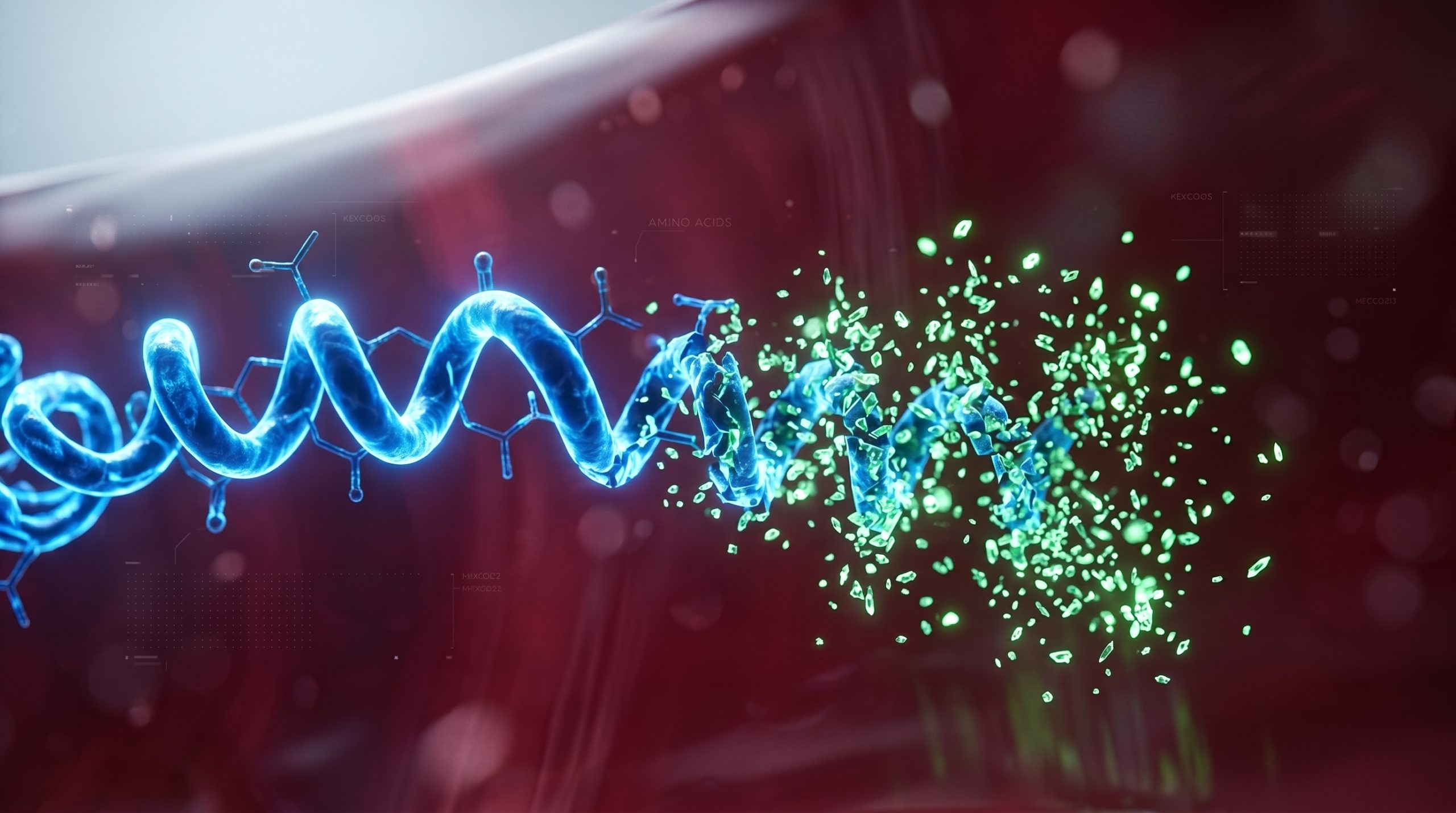
Oral peptides are becoming used in dental care to improve recovery after surgeries. These tiny proteins, composed of short amino acid sequences, are vital for many biological processes, including tissue regeneration and repair. They quicken healing by lowering inflammation, encouraging tissue growth, repair gingival recession, and preventing infections. They are a promising complement to dental treatments since they can speed up recovery and improve patient results by stimulating the body’s natural healing systems. Let us explore the science of oral peptides and their role in promoting wound healing during dental operations.
An Understanding of Oral Peptides
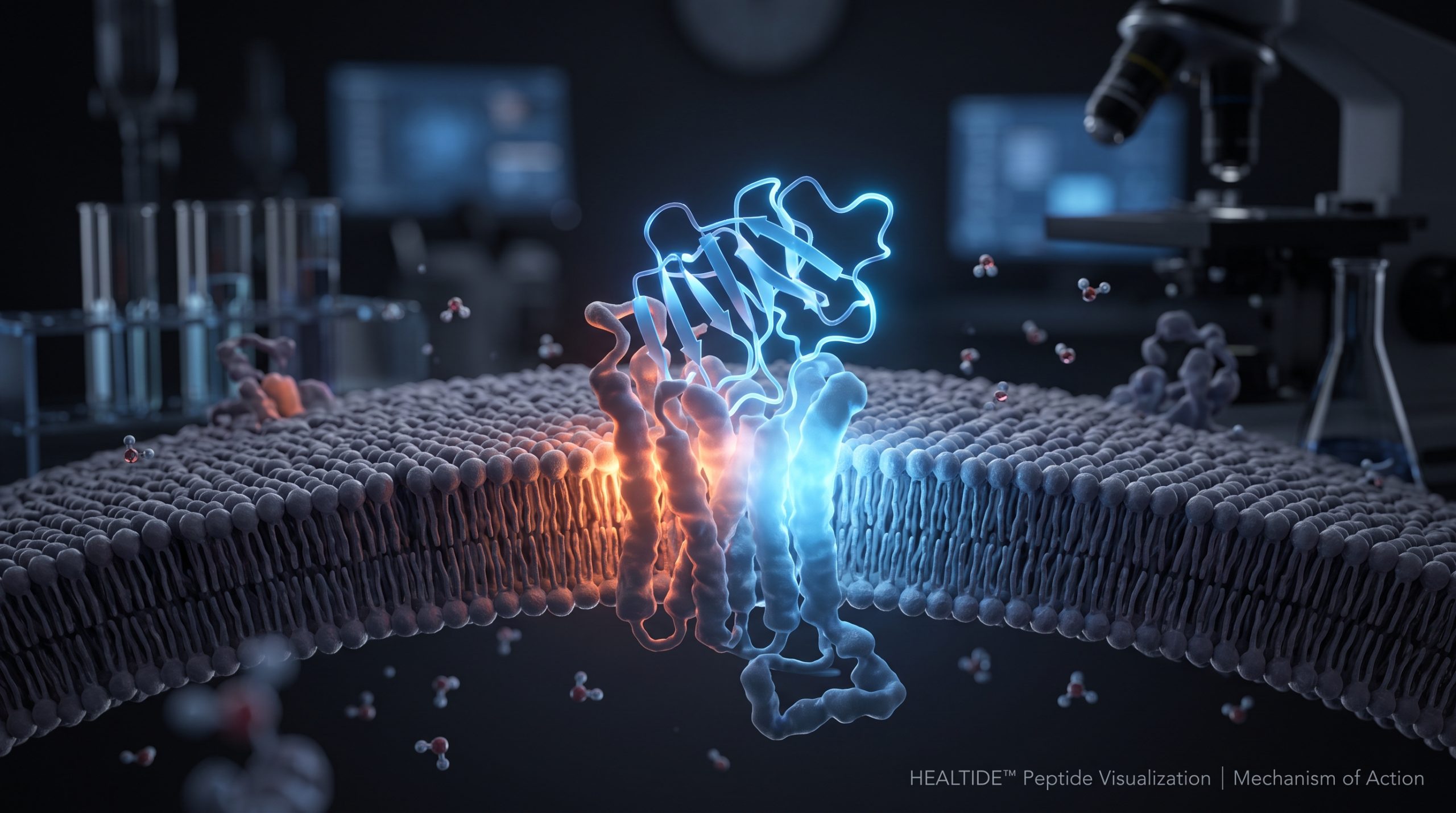
Oral peptides are bioactive substances that engage with particular cell receptors to cause biological reactions. These peptides can improve general healing, lessen inflammation, and encourage tissue regeneration in dental care. They are an invaluable supplement to post-procedural care because of their capacity to promote the body’s healing mechanisms. Dental care oral peptide promote a quicker and more efficient recovery following dental treatments by regulating inflammatory responses, promoting regenerating cell activity, and possibly providing antibacterial effects. Their use in dentistry offers a promising development in bettering patient outcomes and increasing the effectiveness of dental procedures.
The Dental Procedures’ Healing Process
It’s essential to comprehend the normal healing process that follows dental treatments before delving into the role of dental care oral peptide. There are multiple stages to healing:
- Hemostasis: Following dental surgery, the body attempts to halt bleeding immediately. At the site of the damage, blood clotting mechanisms are triggered to produce a clot.
- Inflammation: To combat infection and clear debris, immune cells are brought to the damage site during this phase. Although it is a normal and essential aspect of the healing process, inflammation can cause discomfort for the patient.
- Proliferation: New tissue starts to form at this point. Collagen and other extracellular matrix components are produced by cells known as fibroblasts, which aid in the reconstruction of injured tissue.
- Remodeling: The new tissue matures and organizes in the last stage, restoring the afflicted area’s natural appearance and function.
How Oral Health Peptides Encourage Healing
Every phase of the healing process is improved by oral peptides like AGRP peptide, which leads to a quicker and more complete recovery. You must also check a guide to choosing the right dental peptides for your needs. This is how they help in healing:
Reduced Inflammation
By controlling the activity of inflammatory cells, oral peptides provide significant anti-inflammatory advantages in dental care. This rule works to both minimize pain and prevent enema after dental work. Oral peptides reduce excessive inflammation and help avoid the consequences of prolonged or severe inflammatory reactions, all while improving patient comfort. Their value as a therapeutic aid in dentistry is highlighted by this quality, which also helps patients recover more quickly and feel better overall.
Promotion of Tissue Regeneration
Oral peptides stimulate cells essential for tissue repair and creating new bone and tissue, such as fibroblasts and osteoblasts. Peptides hasten the healing process of damaged tissues by stimulating the activity of these regenerating cells. Because of the accelerated healing times brought about by this increased cellular activity, oral peptides are essential for encouraging effective tissue regeneration and better healing results in dental care.
Antimicrobial Effects
Antibacterial properties of some dietary peptides aid in preventing infections in healing areas. This is crucial because a high bacterial load in the mouth raises the risk of infection. These peptides facilitate a more favorable healing environment by lowering the microbial load. This antimicrobial action reduces the risk of infection and encourages healthy tissue regeneration and healing, contributing to better dental outcomes.
Stimulation of Angiogenesis
Developing new blood vessels, or angiogenesis, are essential for providing oxygen and nutrients to mending tissues. Oral peptides stimulate angiogenesis, which guarantees sufficient blood flow to regenerating areas. This facilitates a quicker and more complete recovery by ensuring the survival and integration of new cells at the healing site. Oral peptides improve blood flow, promoting tissue regeneration and repair and improving dental operations’ overall healing results.
Dental Practices Using Oral Peptides Clinically
Oral peptides like AGRP peptide are used in dentistry for a variety of purposes and processes, including:
Periodontal Surgery
During periodontal surgery, the gums and surrounding bone are frequently restored. Through the promotion of quicker and more efficient tissue regeneration, oral peptides can improve the results of these procedures.
Dental Implants
For dental implants to be successful, the gums and surrounding bone must recover appropriately. By promoting bone growth and lowering inflammation, oral peptides can aid in osseointegration—integrating an implant with the jawbone.
Sites of Extraction
Following tooth extractions, bone and tissue in the empty socket must regrow and repair. This process can be accelerated by oral peptides, which will shorten the time it takes for the area to be prepared for additional dental work, such as bridges or implants.
Procedures for Orthodontics
The gums and supporting tissues may sustain minor injuries due to orthodontic procedures, such as braces. Oral peptides have the potential to accelerate the healing of these tissues, lessen discomfort, and enhance therapeutic results.
Future Prospects for Research
An increasing corpus of research demonstrates the potential of oral peptides in dentistry. Numerous peptides effectively encourage tissue regeneration, lower inflammation, and avoid infections. More studies are necessary to completely comprehend the mechanisms of action and create formulations ideal for clinical application.
Creating peptide-based rinses, gels, and other simple delivery systems to use in a dental context could be one of the field’s prospects. Furthermore, peptide treatments might be customized for each patient using personalized medicine techniques according to their unique genetic profiles and healing requirements.
Conclusion
With the potential to significantly improve dental healing after operations, oral peptides are a promising development in dental care. These bioactive compounds can improve patient outcomes and the overall effectiveness of dental therapies by lowering inflammation, repair gingival recession, encouraging tissue regeneration, and preventing infections. Oral peptides may be incorporated into routine dental procedures more frequently as research develops, enabling patients to heal more quickly and efficiently. Visit AHB Lab to learn more about our innovative oral peptide solutions and how we are transforming dental healthcare.