Introduction
When creating an anti-aging routine, many people forget that oral health is crucial to overall health. Numerous diseases, including cancer, arthritis, cardiovascular disease, and other degenerative disorders, can be triggered by poor tooth health, endangering a long and healthy life. Although keeping regular dental hygiene is important, it is frequently necessary to provide additional support to make sure that teeth and gums continue to operate and appear their best.
The most challenging material in the body, even more, rigid than bone, is the mineralized enamel that protects teeth. Despite its resilience, it occasionally succumbs to years of deterioration brought on by using foods and beverages high in sugar. Teeth are more prone to sensitivity, decay, and cavities when enamel erodes. Unlike bone, which the body can replace after loss, enamel cannot do so.
The setting of the mouth
The oral cavity is a special place. To safeguard the numerous microbial species in this warm, moist environment, the oral mucosa must act as a barrier between the internal and external surroundings. The mouth cavity is the only part of the body where hard tissues can penetrate the epithelial surface. Each tooth has a specialized periodontal epithelium that forms an attachment and seals around it. Due to the continuous exposure to the bacterial biofilm (dental plaque) that develops on the tooth surface at the junction of the soft tissue, this specific role presents unique difficulties to the tissue. It creates specific vulnerabilities linked to periodontal disease. Therefore, bacterially generated infection and inflammation in this anatomical area are dangerous.
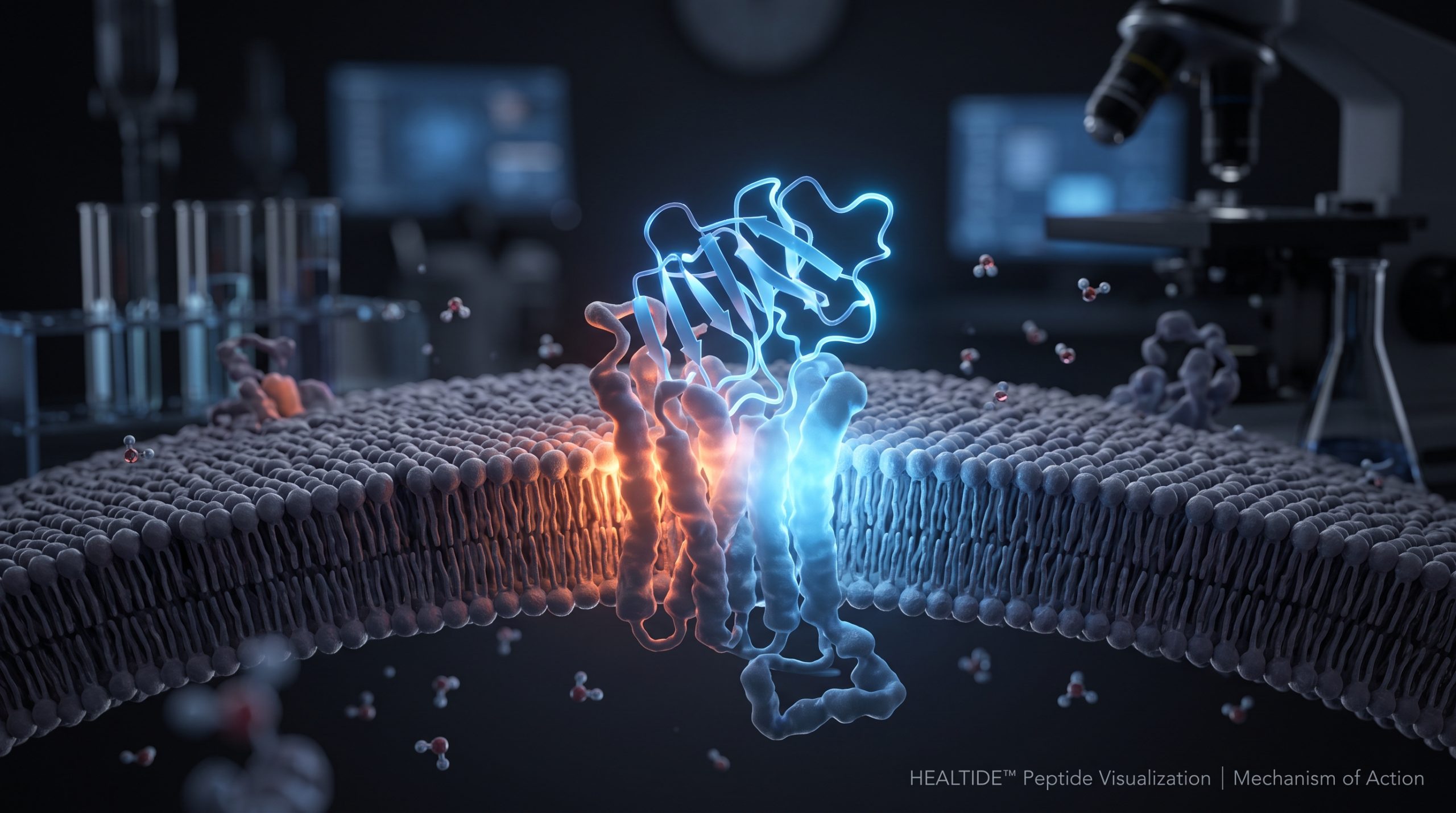
In this complicated milieu, biosynthetic peptides significantly preserve the delicate balance between health and sickness. Several salivary antimicrobial peptides, -defensins expressed in the epithelium and neutrophils, and the Cathelicidin LL-37, expressed in both the epithelium and neutrophils, are among them. In this setting, these peptides are a component of the host’s innate immune response. Saliva, polymorphonuclear leukocytes (neutrophils), and epithelia all have overlapping but separate roles in maintaining oral cavity health.
Oral Mucosa: Structure and Function
The architecture of the oral mucosa is a basement membrane that serves as a barrier against infections and mechanical stressors and a superficial epithelium that covers the surface. Keratinocytes in this type of tissue are linked by desmosomes. The basal lamina, lamina propria, and submucosa are followed by layers of stratified squamous epithelium that make up the oral mucosa.3, 4, 5 The palatal and gingival regions of the oral cavity contain higher keratinized epithelium because eating and chewing frequently subject these areas to greater mechanical stresses and concomitant physical trauma.6 Contrarily, buccal tissue is usually made up of nonkeratinized epithelium with loose ECM in elastic parts of the oral mucosa that experience less physical stress.
The basement membrane, lamina propria, and submucosa are placed after the stratified squamous epithelium in the oral mucosa (1-2). Saliva contains mucins, statins, peptides, peroxidase, and growth factors unique to the oral environment and essential for maintaining oral homeostasis. The diverse oral microbiota, which contains up to millions of bacteria, makes a damaged oral mucosa vulnerable to infections brought on by bacteremia.
Antimicrobial Peptides: What Are They?
Antimicrobial peptides are naturally occurring protein molecules with capabilities that are antibacterial, antiviral, or antifungal. They are typically cationic and amphipathic. Most are oligopeptides, composed of short chains of 12–50 amino acids. These peptides are present in large quantities in saliva, gingival crevicular fluid, and other oral fluids and aid in preventing the development of harmful bacteria and fungi. Dental AMPs cause germs to rupture and die by attacking their cell membranes.
An intriguing new research topic is using dental AMPs to treat oral problems. Dental AMPs are far more focused on pathogenic bacteria and fungi than common antibiotics, which attack various pathogens. This indicates that dental AMPs are less likely to cause adverse reactions and are less likely to aid in the emergence of antibiotic resistance.
Current Medical Methods to Promote Oral Wound Healing
Surgical intervention after the injury can prevent chronic inflammation by boosting the body’s natural healing processes towards a pro-regenerative phenotype. The studies are a few of many that show how regenerative medicine may regenerate tissues, including the supporting structures of the periodontium. You can now take advantage of this potential in items you use at home as part of your daily oral care practice.
The mechanism by which AGRP peptide initiates regeneration differs slightly from those used by fibroblast-seeded membrane implants or the direct injection of growth factors into periodontal tissue.
AHB-Lab’s cutting-edge “SBPP Platform” uses fermentation to create the biosynthetic peptide material known as AGRP peptide. To achieve a high precision sequence and high concentration to repair oral mucosa illness and periodontal disease, the particular AGRP peptide is purified and refined. The proprietary peptide that lowers inflammation encourages collagen synthesis and also stimulates the formation of oral epithelial cells.
Other functions of AGRP dental care peptide
- Stimulates the production of collagen & fibronectin
- Encourages human fibroblasts and chondrocytes to produce more collagen I, which repairs gum tissue.
- aids in the proliferation of oral epithelial cells, allowing for their use in oral wound healing
- Guards against free radical damage to oral epithelial cells
- In both in vivo and in vitro studies, it demonstrates anti-inflammatory properties.
- Ameliorate the signs and symptoms of periodontal disease.
- For cancer chemotherapy patients, repair and expedite oral mucosal healing, reduce inflammation, and provide pain relief.
Conclusion
Biosynthetic peptides are essential for preserving health in the mouth cavity since they are a unique habitat. Modern dentistry has been paying more and more attention to using peptides. AGRP dental care peptide may have several uses, according to dental care peptide supplier. Evidence provided by AHB-Lab, including stimulation of collagen and fibronectin synthesis, support for the growth of oral epithelial cells, reduction of inflammation, improvement of periodontal disease symptoms, healing of oral mucosa, and pain relief for cancer chemotherapy patients. Future biological dental treatments may undergo a quick clinical translation using a medicine that has previously undergone clinical testing.
Dental AMPs also have a lower potential for adverse side effects and for fostering the emergence of antibiotic resistance. The results of fascinating new research on the use of dental AMPs may change how oral diseases are treated. By targeting specific bacteria and promoting tissue regeneration, dental AMPs also offer a safer and more effective alternative to current treatments for oral problems.