Introduction
Peptides are usually referred to be an important anti-aging element for skin that will smooth, repair, and moisturize. A new fashionable skincare ingredient promises to improve your skin every day. Peptides are one component you won’t want to skip provided by skincare peptide suppliers. While some substances are more hype than action, others are worth it.
Peptides: What are they?

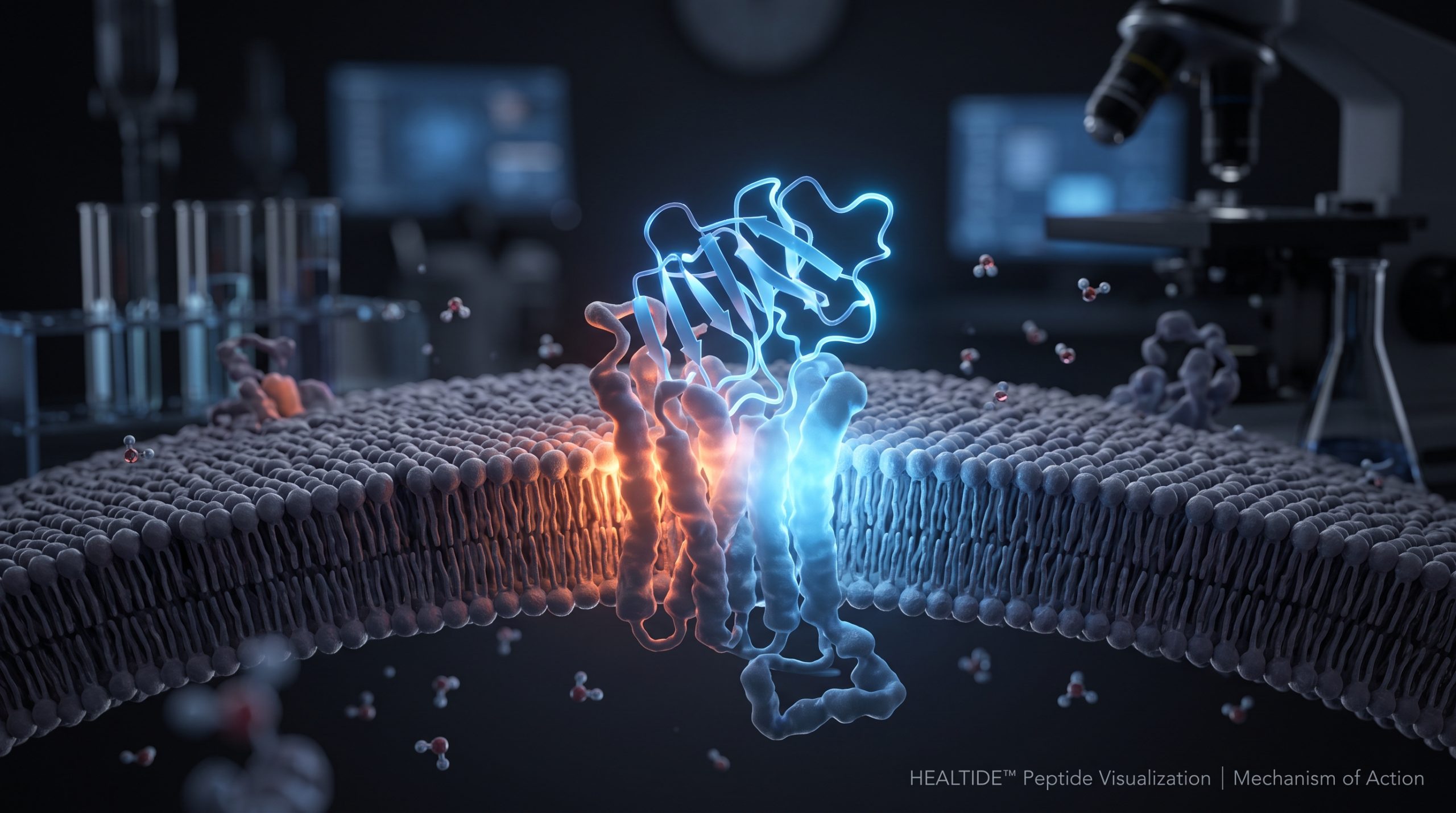
We should start with the science first: Protein peptides are pieces of proteins. Amino acids make up the whole structure of peptides. Amino acids can be linked in a variety of ways to create hundreds of distinct peptides. Peptides can be transformed into many kinds of proteins by assembling them in specific ways.
The essential building elements of skin are proteins like collagen and elastin. The skin would not remain intact without peptides and proteins. As a result, the skin becomes less elastic, loses firmness, develops wrinkles, changes in texture, and doesn’t recover as quickly.
Peptides are particularly intriguing because a wealth of research conducted by skincare peptide suppliers has conclusively demonstrated that each one targets a certain skin care requirement in particular ways. They also instruct aging skin to perform the tasks necessary to revitalize these underlying components.
Peptides of Various Types
Not all peptides are made equal when it comes to skincare. Even though there are hundreds of peptides, some are more effective than others for the skin.
1. Peptides for neurotransmission
You can find Neurotransmitter peptides in topical products like Argireline and injectables like Botox. Relaxing your facial muscles so they don’t contract as much can help you get rid of wrinkles and laugh or worry lines. According to a 2009 study that was published in the International Journal of Cosmetic Science, these peptides were said to reduce various wrinkle forms by 30%.
2. Signal Peptides
The most typical signal peptides used in skin care are palmitoyl pentapeptides. These substances stimulate collagen, elastin, and other structural proteins that give the skin its firm and full appearance.
3. Peptides Carrier
The fact that carrier peptides help the skin absorb trace metals like copper and magnesium is how they acquire their name. In recent years, the potential of copper to increase collagen formation, which firms the skin and improves suppleness, has made it an especially well-liked element. It has also been demonstrated that copper complexes can lighten age spots and reduce the appearance of skin photoaging.
4. Peptides that inhibit enzymes
Enzyme-inhibitor peptides function by slowing down the body’s normal process of shedding collagen, as their name implies. Certain soy-derived peptides can help prevent pigmentation, whereas peptides produced from rice proteins help the body retain more collagen.
DPP skin care peptide
Both in vitro and in vivo studies have validated the efficacy of DPP (Dermis Procollagen Peptide), a revolutionary anti-aging skincare ingredient. Studies conducted in vitro have shown that DPP skin care peptides can promote the synthesis of several molecules that support the skin, such as collagen, hyaluronic acid, fibronectin, and extracellular matrix. According to in vivo research, using a DPP-containing skin care product twice daily can significantly lessen the appearance of wrinkles in just eight weeks. The effectiveness of DPP is in the reduction of fine lines, the removal of freckles, the healing of acne scars, the tightening and firming of the skin, and the reduction of forehead, mouth, nose, and eye wrinkles.
Other properties of DPP skincare peptides
These skincare peptides help to lessen wrinkles, firm and tighten the skin, increase suppleness, and boost collagen formation. It also works to reduce inflammation.
- Smooth fine lines
- Restore pock and smooth wrinkles
- Tighten skin firmly
- Desalt the blemishes
- Enhance crow’s feet, nasolabial folds, and forehead wrinkles
- Anti-inflammation
Selecting peptide products
It might be challenging to know where to begin, given the wide variety of peptides-containing products available on the market. Here are how to purchase skincare peptides:
- Choose the proper form: You should pick a product that comes into extended touch with your skin, such as a moisturizer or a serum. For example, a cleanser won’t be as effective when you wash it off.
- Select your other ingredients carefully: Along with other substances, including hyaluronic acids, vitamin C, niacinamide, and antioxidants, peptides are effective. The peptides’ effectiveness will decrease if you use an alpha hydroxy acid (AHA).
- Look at the label: The optimal location for peptides on the component list is near the top. They might be cataloged as “palmitoyl.”
Peptides: Are they safe for skin care?
Peptides have a reputation for being skin-friendly for all skin types and tones. They are safe for use in cosmetics in the current preparations and percentages, according to the Cosmetic Ingredient Review Expert Panel’s most recent safety studies published in 2017, 2018, and 2022. Anti-wrinkle peptides in skin care products come in various concentrations and percentages.
Their total safety is partly attributable to the skin’s strong compatibility with them, gentleness, and hydration. Many peptides, including sh-polypeptide-121, have calming properties. Supplements, injections, and topical medications can all deliver peptides to the body. When run through these routes, peptides appear to benefit health. These peptides do not treat the skin. Thus, they aren’t as effective at treating skin issues.
Contact your doctor to learn more about the safety of the supplement and injectable peptide versions and determine whether they are appropriate for your requirements.
Limitations and drawbacks of peptides
Some assert that peptides are equally effective to Botox and commonly sell them as a miraculous cure. This is so because neurotransmitter peptides, less efficient than Botox, can momentarily block the molecules that induce muscular contraction.
Peptides can undoubtedly benefit your skin, but they also have some disadvantages that you should be aware of.
Conclusion
Building blocks of specific proteins required by the skin, such as collagen and elastin, are peptides, which are amino acids.
Firmer, more youthful-looking skin and fewer breakouts can result from using an anti-wrinkle peptides-containing serum or moisturizer by AHB-Lab. Although peptides are a potential ingredient for skin care products, their effectiveness still needs further investigation. Most people consider peptides to be secure.