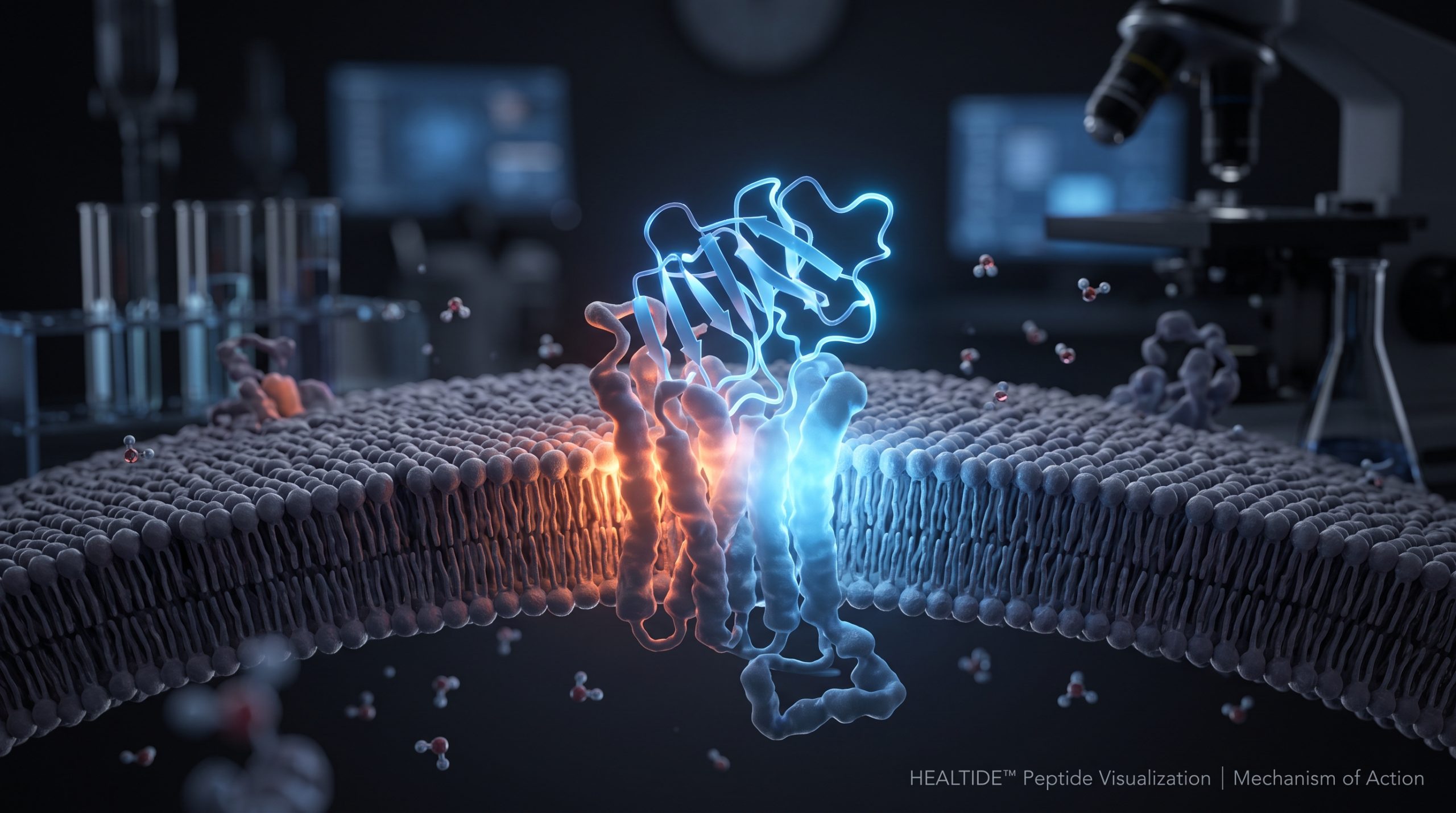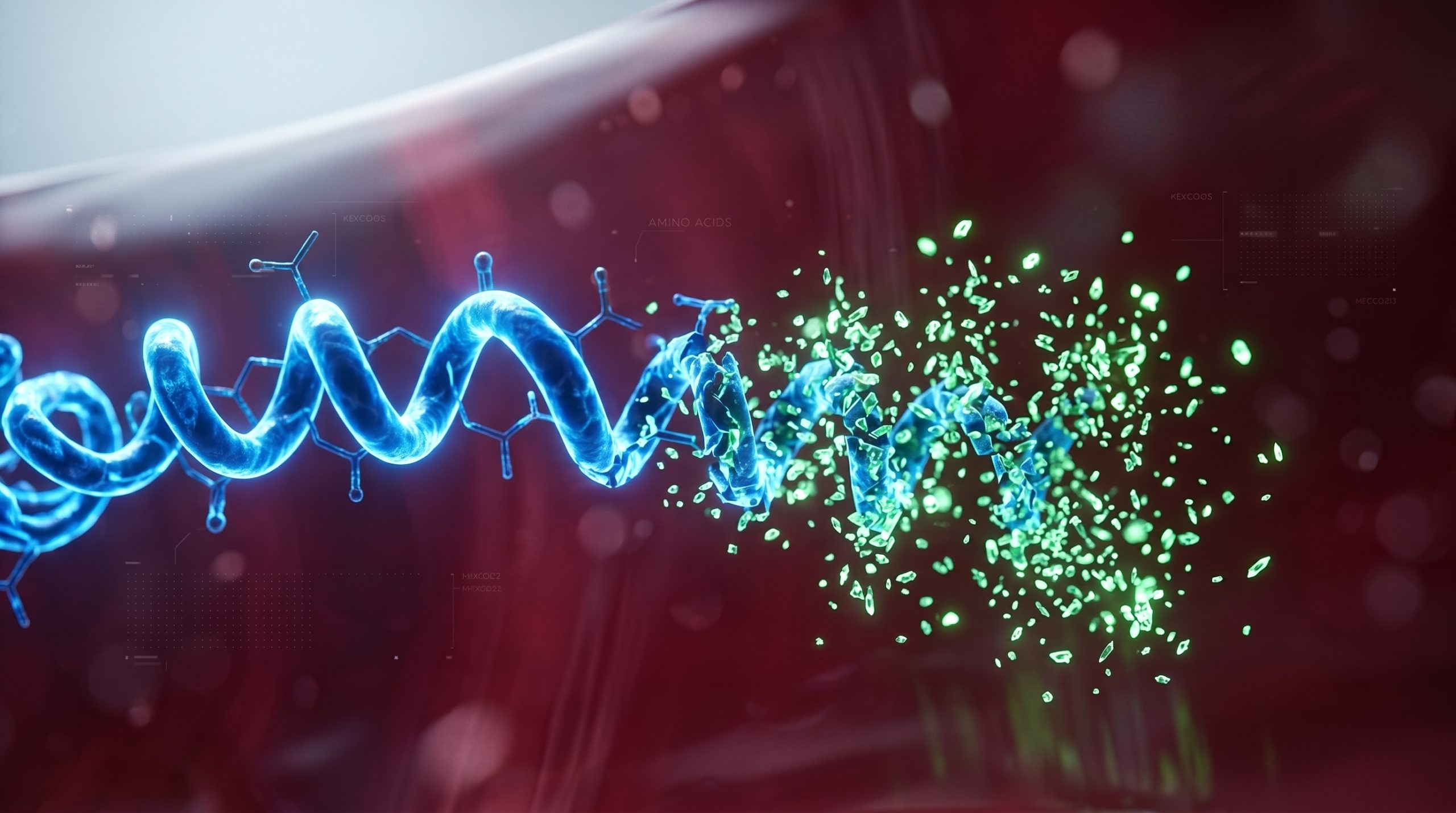
Peptides and hyaluronic acid have shown their value time and time again in the ever-changing field of skincare. These two substances are well-known for their anti-aging capabilities, and together, they can significantly improve the appearance and health of the skin. Short sequences of amino acids called peptides increase the synthesis of collagen, increase skin suppleness, and strengthen the skin’s barrier. Natural hydrator hyaluronic acid plumps the skin, holds onto moisture, and minimizes wrinkles and fine lines. Together, they provide a synergistic action that improves the skin’s firmness, moisture, and general vitality. This blog will discuss their advantages, complementary qualities, and practical ways to use them in your skincare regimen.
Knowing About Peptides
Amino acids, the building blocks of proteins, are arranged in short chains called peptides. Anti-aging peptides are essential for skin care because they increase skin suppleness, stimulate collagen formation, and improve the skin’s barrier function. Anti-Aging Peptides and Non-Surgical Cosmetic Procedures: A Perfect Match for Youthful Skin. Peptides come in a variety of forms, each with unique advantages:
-
Signaling Peptides:
The skin responds to these peptides by producing more elastin, collagen, and other structural proteins. This lessens the visibility of wrinkles and fine lines.
-
Carrier Peptides:
These peptides deliver trace minerals like magnesium and copper to help the skin produce more collagen and facilitate the healing process.
-
Peptides that Inhibit Neurotransmitters:
Known as “botox-like” peptides, they minimize the development of expression lines by reducing the release of neurotransmitters that trigger muscle contractions.
-
Peptides that Inhibit Enzymes:
These peptides protect the skin’s firmness and suppleness by blocking the enzymes that degrade collagen.
The Function of Hyaluronic Acid
Skin contains a naturally occurring molecule called hyaluronic acid (HA) that can hold onto moisture. It is very hydrating since it can hold up to 1,000 times its weight in water. Intense moisturizing is complemented by plumping the skin, which lessens the visibility of wrinkles and fine lines. Furthermore, it supports the preservation of the skin’s protective barrier, shielding it from outside aggressors.
Hyaluronic acid is found in skin care products in a variety of forms:
-
High Molecular Weight HA:
This form remains on the skin’s surface, giving it instant hydration and a smoothing impact.
-
Low Molecular Weight HA:
Because it is tiny, it can go deeper into the skin to provide long-lasting moisture and encourage the production of new collagen.
-
HA that has hydrolyzed:
This is the tiniest type of HA, and it may penetrate the skin’s deepest layers to provide intense hydration and repair.
The Peptide and Hyaluronic Acid Synergy
Hyaluronic acid and anti-aging peptides work in concert to produce a synergistic impact that can significantly improve the general health and look of the skin. This is how they collaborate:
-
Increased Hydration
Hyaluronic acid provides deep and sustained hydration, which is essential for preserving the firmness and elasticity of the skin. Peptides can more easily enter the skin, allowing them to reach the deeper layers, where they can promote collagen synthesis and repair.
-
Enhanced Skin Barrier
Hyaluronic acid and peptides both improve the skin’s barrier function. A strong skin barrier is crucial for reducing inflammation, maintaining moisture, and defending against external stresses. This mixture keeps the skin firm and less vulnerable to injury.
-
Increasing Collagen
Hyaluronic acid keeps the skin moist and plump, promoting the production of more collagen when the best anti-aging peptides tell the skin to do so. As a result, wrinkles and fine lines appear far less prominent.
-
Enhanced Elasticity of the Skin
Peptides encourage the synthesis of elastin, a protein that provides skin with its suppleness along with collagen. Hyaluronic acid, by preserving the skin’s moisture content, aids in this process and gives the face a firmer, more youthful appearance.
How to Include Hyaluronic Acid and Peptides in Your Skincare Regimen
Incorporating peptides and hyaluronic acid into your skincare routine is easy, and you may customize it to meet your needs. Here’s a detailed how-to:
-
Cleaning:
Start with a mild cleanser to get rid of pollutants without depriving the skin of its natural oils.
-
Toning:
To prepare for the following phase, apply a moisturizing toner to your skin. This promotes improved absorption of active substances and helps maintain the skin’s pH balance.
-
Serum with Hyaluronic Acid:
Wet your skin and apply a hyaluronic acid serum. This will improve the serum’s penetration and aid in retaining moisture.
-
Serum Peptide:
After that, use a peptide serum. Peptide serums can target certain issues, such as wrinkles, sagging skin, or uneven texture. Gently massage the serum into your skin.
-
Hydrating:
For an intense moisturizing and anti-aging boost, look for a moisturizer with both peptides and hyaluronic acid. This combination adds more nutrition and seals in all the earlier layers.
-
Sunscreen:
To shield your skin from UV rays, apply a broad-spectrum sunscreen last thing at night.
Selecting the Right Materials
Choosing premium goods is essential to benefit from peptides and hyaluronic acid. Seek for products devoid of solid chemicals and perfumes, as these can cause skin irritation and reduce the effectiveness of the active substances. Here are some pointers for selecting the appropriate products:
-
Examine the list of ingredients:
Make sure hyaluronic acid and peptides are specified as the primary components. This suggests that specific active components are present in higher concentrations.
-
Take Your Skin Type Into Account:
Select products that are appropriate for your skin type. For instance, people with oily skin prefer a mild serum, while those with dry skin might benefit from a heavier peptide cream. Selecting the Correct Items
-
Examine Reviews:
Seek goods that have received good feedback and reviews. This can provide information about the product’s efficacy and possible adverse effects.
-
Speak with an Expert:
See a dermatologist or skincare specialist for clarification to select the best anti-aging peptides. They can offer tailored advice based on your skin’s particular requirements.
Conclusion
Hyaluronic acid and peptides are two highly effective components in the anti-aging battle. They improve the skin’s overall look, firmness, and moisture. Hyaluronic acid preserves moisture, and peptides promote collagen formation, working together to give the complexion a youthful, glowing appearance. Impressive effects can be obtained by including these components in your skincare routine, but persistence is essential. Trust AHB Lab for the highest-quality products. Our formulas include peptides and hyaluronic acid to provide noticeable anti-aging effects. Regularly use AHB Lab products to attain and preserve a youthful appearance. Investigate our selection to improve your skincare regimen right now.