Introduction
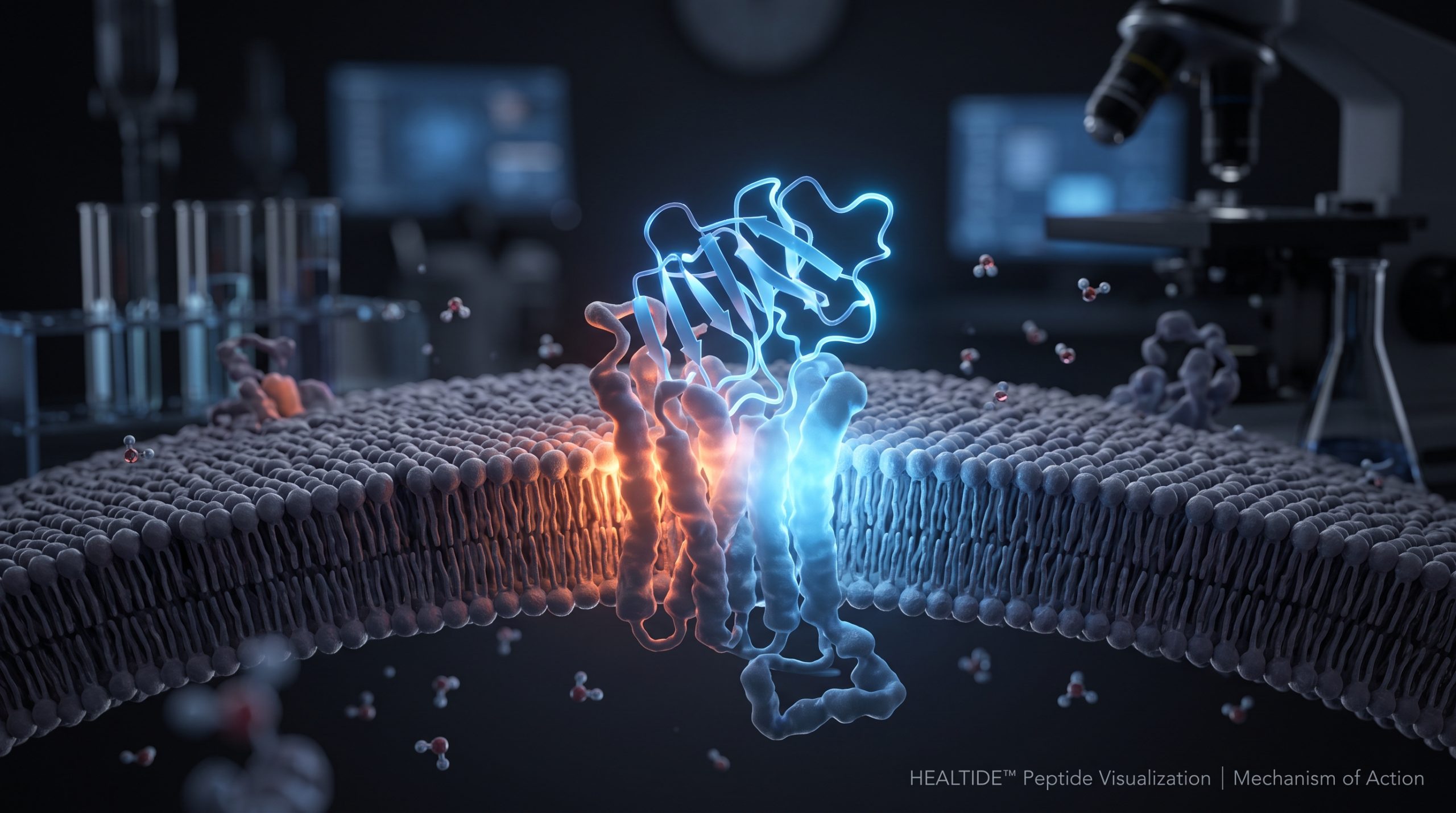
In a recent investigation, scientists from the AHB Lab found novel peptides with anti-cancer potential. According to a study published in Nature Communications, it was shown that cyclic peptides particularly link to chains of ubiquitin proteins, which are widely utilised as a “death tag” for damaged proteins. The proteasome then breaks down the damaged proteins after marking them.
Before now, Technion researchers created a strategy for altering the ubiquitin processes. They chose to try a direct intervention in the ubiquitin chain rather than affecting the activity of enzymes that influence these pathways.
In an earlier study, the researchers used this method to generate cyclic peptides that bind the K48-linked ubiquitin chains and prevent them from initiating the breakdown of the damaged proteins. Cells gradually die according to plan as a result of this disruption. The same study demonstrated how such an occurrence in a malignant tumour destroys cancer cells, potentially defending the patient.
Peptide Types

A peptide is an amino acid (AA) chain less than 50 amino acids long and you can stabilize by disulfide bonds. Although they have adequate biochemical and therapeutic differences, they are sufficiently different from small molecules and macromolecules in size. By using logical approaches, they can create peptides that precisely bind to and control protein interactions of interest, such as those involving oncogenic proteins. The three main processes that produce peptides are as follows:
(a) Natural or bioactive peptides,
(b) Genetic or recombinant libraries used to synthesize modified peptides,
(c) Peptides produced from chemical libraries.
Low-molecular-weight peptides can enter tumour tissues with a fair amount of affinity. Chemical synthesis might be used to create an affordable cancer treatment.
Peptides can be obtained from several different natural sources. O2P anti-cancer peptides come from either animal or plant sources, such as an atrial natriuretic peptide or the anti-angiogenic Ganoderma lucidum polysaccharide peptide (Gl-PP).
Angiotensin and the growth-inhibitory peptide (GIP) made from -fetoprotein is only two examples of the many peptides made from animal proteins with potent anti-cancer characteristics. Peptides from marine sources, such as jaspamide, somocystinamide A, and paladin, which induce cell cycle arrest and mediate apoptosis, have demonstrated substantial anti-cancer effects. Mycobacteria-derived muramyl dipeptide (MDP), FK565, and Streptomyces-derived bestatin are some microbial peptides that have demonstrated anti-cancer effects.
By blocking the C- and N-termini of peptides or creating cyclically structured peptides, it is feasible to prolong the half-life of peptides and stop blood proteases from degrading them.
How are new cancer treatments found?
Different processes can lead to the discovery of new cancer treatments:
1. Accidental finding
You can find drugs sometimes by chance. For instance, a ship explosion in the early 1940s exposed sailors to deadly mustard gas. Doctors discovered these sailors’ low white blood cell levels. They started using nitrogen mustard, a gas by-product, to treat Hodgkin lymphoma. For instance, nitrogen mustard is the medication mechlorethamine (Mustargen). The lymphatic system cancer known as Hodgkin lymphoma affects white blood cells. Nitrogen mustards are still used to treat cancer patients today. Such unintentional findings are uncommon.
2. Testing flora, fauna, and other organisms
There are several cancer remedies in nature. For example, they use paclitaxel (also known as Taxol) to treat several malignancies. The Pacific yew tree’s bark was where it was first discovered. They make Eribulin (Halaven), a cancer drug, from the sea sponge, a microscopic ocean species. The NCI has samples of thousands of different types of fungi, bacteria, and marine creatures. They gather it from all across the world to investigate cutting-edge cancer treatments.
3. The investigation of cancer cell biology
By examining the biology of cancer cells, researchers can discover several cancer treatments. Most researchers studying cancer begin by contrasting the genes present in DNA and the growth patterns of cancer cells and healthy ones. Researchers can attempt to develop medications to halt the growth of cancer cells by understanding how they function. They can also create medicines that specifically target cancer-causing genes.
For instance, scientists discovered that a particular protein is in aberrant quantities in around 20% of all breast tumors. Its name is HER2, and it regulates how quickly cancer cells multiply and spread. They have created numerous medications over the years for the treatment of HER2-positive breast cancer. Every breast cancer patient has a tumour sample tested for the HER2 protein. This test will determine these medications’ ability to treat cancer. Find out more about the fundamentals of targeted therapies.
4. Recognizing a drug target’s chemical make-up
Computer simulations can simulate the effects of proposed drugs on their intended targets. Scientists can then create chemical compounds that interact with the particular medicinal target.
5. It is creating medications similar to currently available drugs called O2P®
O2P® peptide is a patented biosynthetic dipeptide and tetrapeptide substance created by AHB-Lab’s cutting-edge SBPP Platform. You can use it to fight aging, strengthen the immune system, and prevent cancer. It functions by reactivating DNA and controlling protein differentiation, proliferation, and apoptosis, which results in increased cell resources and slowed cell aging. Additionally, it prolongs life and lengthens telomeres. O2P® peptide enhances and strengthens the immune system by increasing the expression of immunological signal molecules. Anti-cancer peptides are frequently less expensive and require less time for approval than new medications. When appropriate, AHB-Lab supports the use of O2P® in cancer treatment.
O2P® and FDA approval
O2P® medications are nearly identical to those that have already received FDA approval. A few minor differences between an O2P® and its reference drug have no effect on the O2P®’s effectiveness or safety. AHB-Lab’s O2P® peptides are in the process of getting approval from the FDA.
The processes in the FDA approval procedure for O2P® are the same as those for any other medicine. Researchers must first produce preclinical evidence demonstrating that the O2P® and reference medication differ in small ways. This study should demonstrate that these variations have no impact on the O2P®’s effectiveness or safety. After reviewing the preclinical findings, the FDA will decide how much extra testing is necessary for the O2P® after reviewing the preclinical findings. Several phases in the process are left depending on how similar the O2P® and reference drug are. If there are any problems, the FDA can request to conduct a fresh O2P® clinical trial.
Conclusion
ACP treatment influences molecular targets, binds anti-cancer medications, and activates biological processes related to cancer and healthy cell environments. The development of novel synthetic and natural peptide-based cancer prevention strategies is noteworthy. It is possible to alter natural anti-cancer peptides to boost efficacy, decrease adverse effects, and permit intense penetration into specific cancer cell targets. Many ACPs are antiproliferative, apoptotic, and proliferation inhibitors in different cancer cell types, in vitro and in vivo, resulting in clinical trials for the assessment of cancer treatment. At AHB-Lab, it was proposed that ACPs might collectively encourage the creation of cancer therapies or vaccinations to reduce mortality rates and the number of new cases of the disease.