Introduction
The delicate oral mucosa, which lines the inside of our mouths, is always at risk for bacterial infections, acidic foods, and physical trauma. The natural healing process can occasionally be sluggish and ineffective after harm. Peptides, however, have emerged as a possible remedy to repair oral mucosa due to recent advances in science and medicine.
Identifying Oral Mucosa
The delicate internal structures of the mouth act as a barrier between the outside world and the unique and complicated oral mucosa. It comprises several cell types and is essential for preserving oral health. The recovery of this tissue is crucial since it is necessary for processes like chewing, swallowing, and speech, all of which depend on its integrity.
The Difficulties of Healing Oral Mucosa
Even though it serves crucial functions, the oral mucosa has difficulty recovering. Regular contact with irritants and germs can cause minor inflammation and wounds, such as canker sores and gum disease. Medical treatments like dental surgery can also cause a large amount of damage to the oral mucosa. Topical therapies and pharmaceuticals are common strategies to encourage healing, although they don’t always work well.
Identifying Peptides
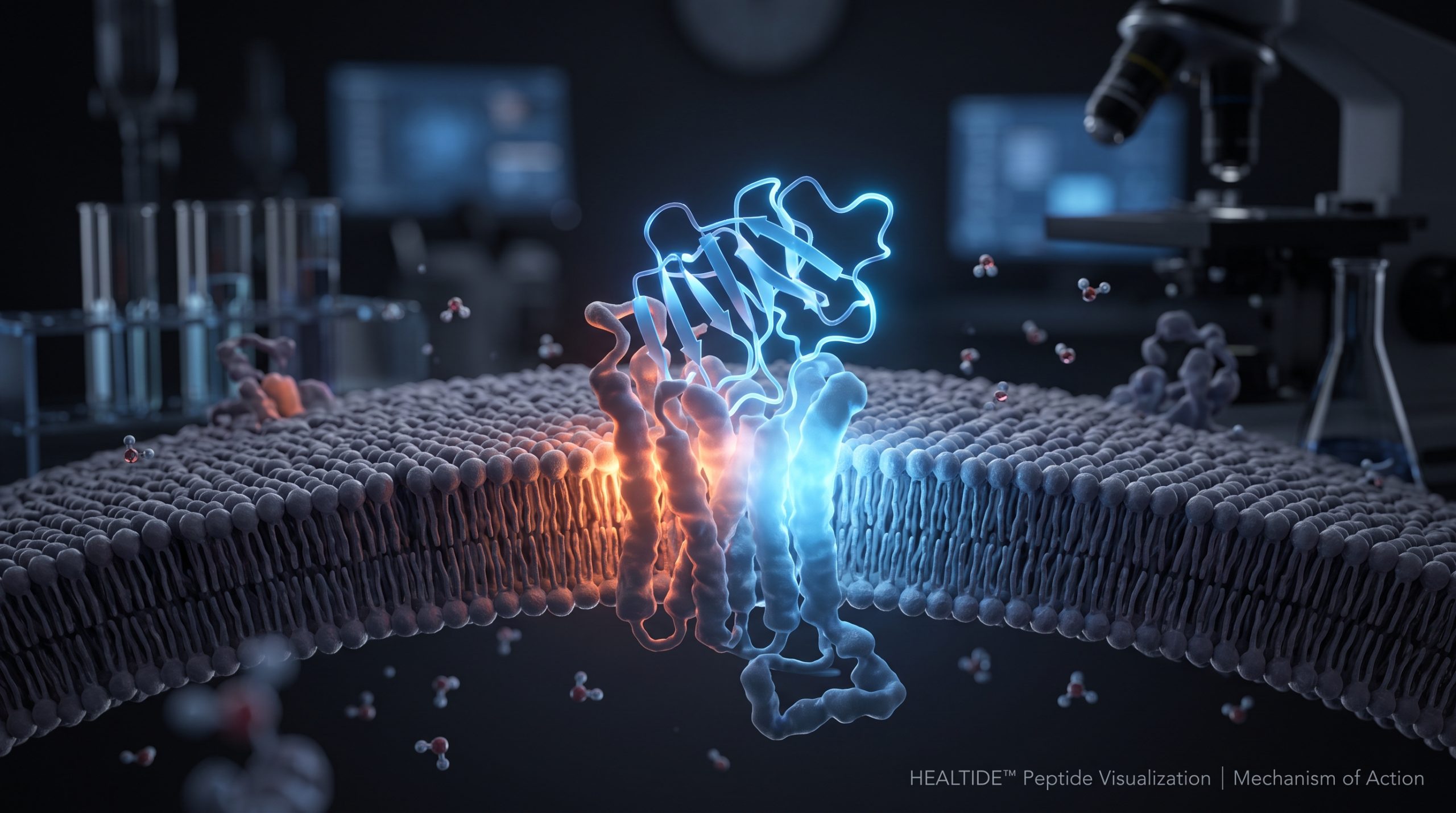
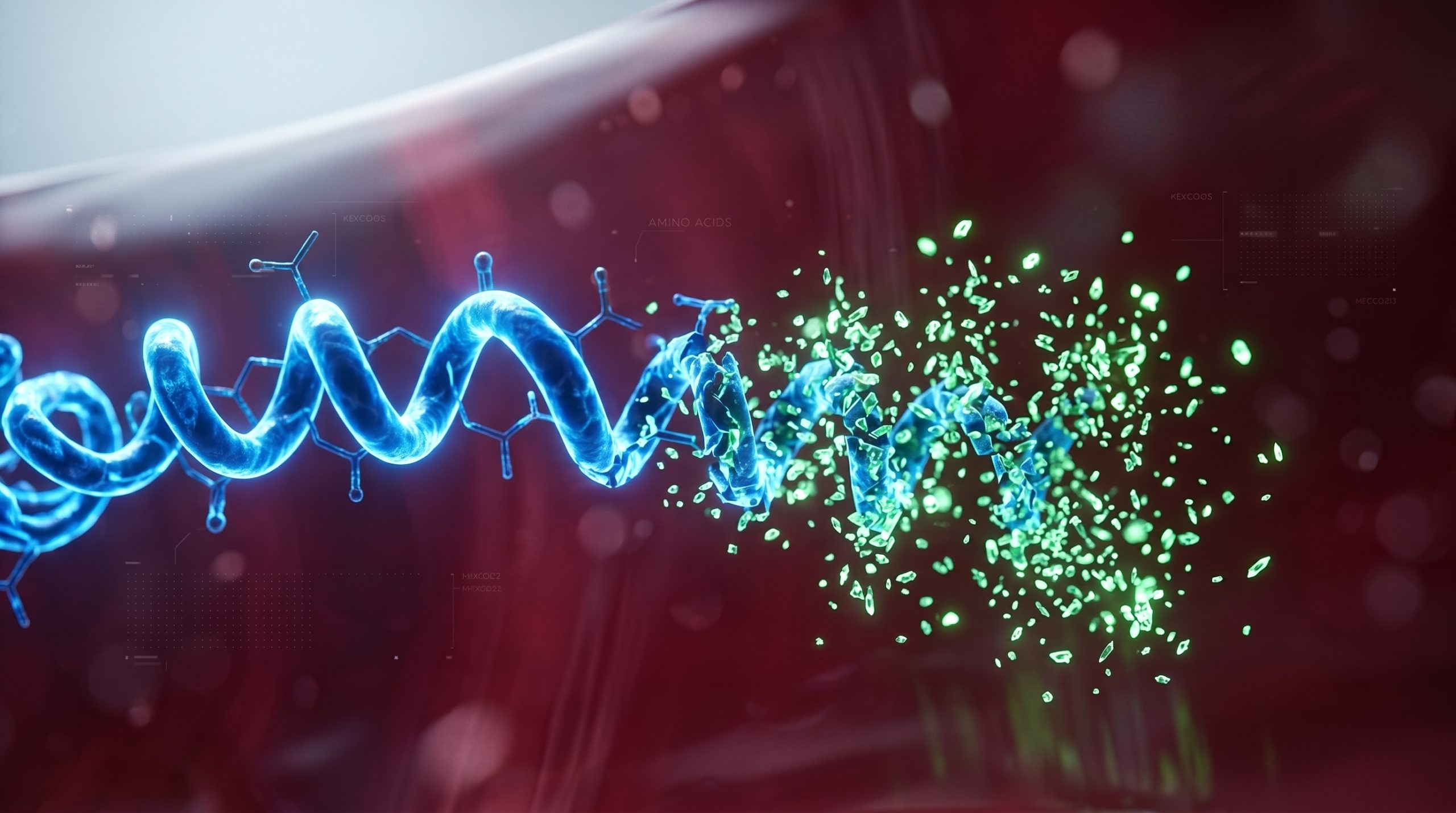
Peptides are little amino acid chains essential to numerous bodily biological functions. Some peptides have demonstrated tremendous promise for fostering tissue regeneration and repair. According to research, certain dental care peptide can promote cell migration, proliferation, and the synthesis of extracellular matrix elements required for tissue healing.
AGRP Dental Care Peptide
The ground-breaking “SBPP Platform” created by AHB-Lab uses fermentation to make the unique biosynthetic peptide material known as AGRP Dental Care Peptide: Your Smile’s Best Friend, which has extraordinary promise for treating oral mucosa and periodontal disease conditions. The highly exact sequence and concentration of the AGRP peptide are acquired through careful extraction and processing.
This patented peptide has proven exceptional abilities in encouraging collagen and fibronectin formation. Human fibroblasts and chondrocytes are successfully stimulated, promoting the production of collagen I, which is essential for mending gum tissue. Additionally, AGRP peptide encourages the development of oral epithelial cells, speeding up the healing of oral wounds and protecting them from free radical damage.
The peptide’s anti-inflammatory characteristics, which offer significant benefits in reducing inflammation, have been revealed by extensive in vivo and in vitro research. AGRP peptide has demonstrated promise in enhancing periodontal disease signs and indications.
Additionally, using this fantastic peptide to treat cancer patients undergoing chemotherapy can help them recover their oral mucosa faster and experience less pain and inflammation. The AGRP peptide has enormous therapeutic promise for improving oral health and addressing various oral health issues.
Peptides and the Healing of Oral Mucosa
The findings of studies focusing on using dental care peptide in dental health have been favorable. Some peptides have been shown to specifically target the cells and receptors of the oral mucosa to aid in the healing process. They encourage the synthesis of collagen, which is necessary for the growth of new tissue and the healing of wounds. Some peptides also have antibacterial qualities, which shield the healing area from potential infections.
Advantages of the AGRP peptide
1. Promoting the synthesis of collagen and fibronectin
The ability of the AGRP dental care oral peptide to promote the synthesis of collagen and fibronectin is one of its main characteristics. It has shown a great capacity to stimulate the formation of collagen I in human fibroblasts and chondrocytes, which are essential elements for healing gum tissue, in laboratory tests. By accelerating the creation of important structural proteins, the AGRP peptide promotes the healing of damaged gum tissue and may even help to reverse the signs of periodontal disease.
2. Encourages the growth of oral epithelial cells.
Oral wounds need to heal quickly and efficiently, whether accidents or medical procedures brought them on. By encouraging the proliferation of oral epithelial cells, the AGRP peptide significantly contributes to this characteristic. These cells cover the oral mucosa in a layer of protection, and the rapid multiplication of these cells is crucial for recovering oral lesions. The AGRP peptide benefits patients with disorders affecting the oral mucosa by accelerating oral epithelial cell proliferation and encouraging quicker tissue healing.
3. Oral epithelial cell defense
Free radical damage is a frequent problem that oral mucosal tissues must deal with. To shield oral epithelial cells from the harm caused by free radicals, AGRP peptide steps in. This antioxidant property helps the development of new cells throughout the healing process, as well as maintaining the existing cells’ health. The AGRP peptide improves the overall durability and resilience of the oral mucosa by protecting oral epithelial cells.
4. Reducing the symptoms of periodontal disease
Millions of people throughout the world suffer from periodontal disease, which can cause tissue damage and also tooth loss if left untreated. By addressing the root causes of periodontal disease, AGRP peptide offers a promising treatment for those who have the condition. The AGRP peptide helps to repair damaged gum tissue and reduces symptoms thanks to its collagen-stimulating qualities and anti-inflammatory effects, possibly delaying the disease’s progression and maintaining dental health.
5. Accelerating oral mucosa healing and pain reduction in patients receiving cancer chemotherapy
Oral mucositis is a stressful and painful side effect for cancer patients receiving chemotherapy. The dental care oral peptide is an effective ally in the fight against oral mucositis due to its regenerative and anti-inflammatory capabilities. AGRP peptide promotes healing and provides much-needed pain relief for cancer patients undergoing treatment by encouraging oral epithelial cell proliferation, shielding cells from harm, and lowering inflammation.
6. Effects of anti-inflammatory
Inflammation has a crucial role in the development of certain oral health problems. Both in vitro and in vivo models of inflammation have shown the AGRP peptide to have strong anti-inflammatory properties. It lessens inflammation and the signs and symptoms of oral mucosal illnesses and periodontal disease. Additionally, individuals receiving chemotherapy for cancer who frequently encounter oral mucositis, a painful and disabling side effect of cancer treatment, can benefit greatly from its anti-inflammatory function.
Conclusion
An intriguing new area of study in oral health is the science of using peptides to repair oral mucosa. Peptides by AHB-Lab present a promising approach for encouraging quicker and more efficient healing of the oral mucosa due to their capacity to drive tissue repair, decrease inflammation, and battle pathogenic threats. More research are being done and more technology being developed. Peptide treatments may soon be a standard component of oral care. This would also help people heal internally and keep their mouths healthy for years.