A Glimpse into the World of Organ Freezing
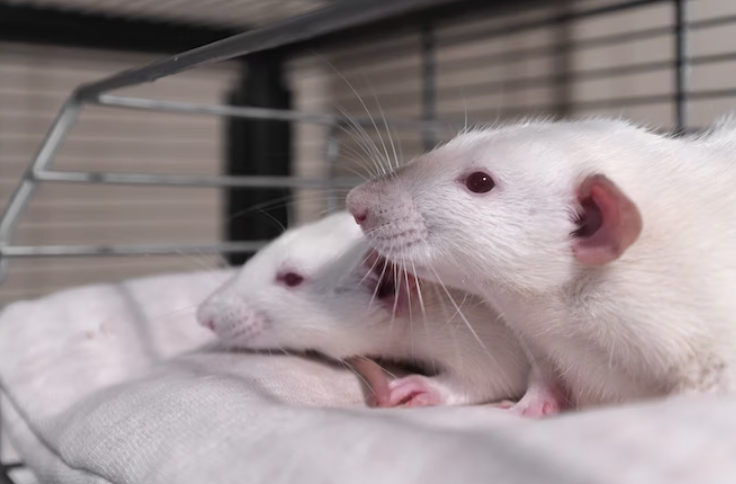
In the heart of the University of Minnesota’s research labs, a rat kidney’s transformation was nothing short of miraculous. This organ, once teeming with life, had been subjected to a series of intense procedures, central to which was the technique of cryopreservation. This rendered the kidney an eerie shade of gray. Joseph Sushil Rao, at the helm of this experiment, watched as the kidney was infused with a special substance, frozen to a staggering -150°C, and influenced by a powerful magnet. The climax? Successfully transplanting this cryopreserved kidney into another rat, a feat that sent ripples through the scientific community. (Read the original article)
The Age-Old Dream of Halting Time
The concept of pausing life, of halting the relentless march of time, has fascinated humanity for centuries. Modern science, with its relentless pursuit of knowledge, has made significant strides in this direction. By leveraging extreme cold, researchers aim to slow or even stop biological decay. The past decade has been particularly fruitful, with new techniques emerging to reduce the toxicity of antifreeze treatments, curtail ice formation, and ensure rapid, uniform thawing. The successes are mounting: revived coral fragments, fruit fly larvae, zebrafish embryos, and of course, rat kidneys. The broader vision? Vast banks of cryopreserved tissues, organs, and limbs, ready to breathe life into patients in need.
Hollywood’s Vision vs. Ground Reality
Cinematic portrayals of cryopreservation, from Han Solo’s carbonite encasement to Captain America’s icy slumber, have captured the public’s imagination. But reality is more nuanced. While we can currently preserve and revive a human embryo, scaling this up to a full human body remains a formidable challenge. The intricate balance of chemicals, temperatures, and timings is a tightrope walk that scientists are still mastering.
The Intricacies of Vitrification
Vitrification, the process of turning biological matter into a glass-like state, is central to cryopreservation. Achieving this state without forming destructive ice crystals is a delicate dance. While embryos have been successfully vitrified, the process becomes exponentially more complex with larger organs. The challenges are manifold: ensuring even distribution of cryoprotectants, rapid cooling, and preventing ice formation, to name a few.
The Revolutionary Implications for Organ Transplants
The world of organ transplantation is fraught with challenges. Limited organ viability outside the body often leads to tragic wastage. Cryopreservation promises a future where organs can be stored for extended periods, eliminating the frantic race against time that characterizes current transplant procedures. This could herald a new era where organ shortages are a thing of the past, and patients can receive transplants with improved matching and preparation.
Nature’s Cryopreservation Maestros
Nature is replete with examples of creatures that have mastered the art of survival in extreme conditions. The wood frog’s ability to endure months in a semi-frozen state is a testament to nature’s ingenuity. Such natural phenomena are goldmines of information, offering researchers insights into refining cryopreservation techniques for human use.

Navigating the Roadblocks of Cryopreservation Ahead
While the promise of cryopreservation is immense, the path is strewn with challenges. Each new method and technique must undergo rigorous testing to ensure its safety and efficacy. But the scientific community is undeterred. With a blend of determination, innovation, and collaboration, researchers are inching closer to making the dream of pausing life to save life a tangible reality.
The Broader Implications for Humanity
Beyond organ transplants, the potential applications of cryopreservation are vast. Consider long-term space travel, where astronauts could be placed in suspended animation for extended journeys. Or the preservation of endangered species, ensuring biodiversity for future generations. As we stand on the cusp of these breakthroughs, the future beckons with possibilities that were once the stuff of science fiction.
Ethical Considerations and the Future of Cryopreservation
As with any groundbreaking scientific advancement, cryopreservation brings with it a slew of ethical considerations. The potential to extend life, or at least pause its natural progression, prompts profound questions about the nature of existence, consent, and the implications of “playing God.” How do we decide who gets access to these technologies? What are the psychological ramifications for individuals revived after extended periods? And as we push the boundaries of what’s possible, how do we ensure that we’re also considering what’s ethical and just? As researchers and ethicists grapple with these questions, it’s clear that the journey of cryopreservation is not just a scientific one, but also a deeply philosophical and moral endeavor. The intertwining of these disciplines will be crucial in shaping a future where technology serves humanity responsibly and compassionately.
Introducing AHB Lab: The Vanguard of Biosynthetic Peptide Solutions
In the dynamic landscape of biotechnology, AHB Lab emerges as a trailblazer. Renowned as a leading supplier of biosynthetic peptides, AHB Lab is dedicated to harnessing the power of innovative peptide solutions. Their groundbreaking SBPP Platform is a testament to their commitment, enabling massive, cost-effective, and enhanced peptide production. With a body absorption rate surpassing 80%, their chemical synthetic peptides are setting industry benchmarks. At the heart of AHB Lab is a team of seasoned professionals, each bringing a wealth of knowledge from esteemed global institutions and a shared vision of excellence. As the biotech industry continues to evolve, AHB Lab remains steadfast in its mission to deliver cutting-edge peptide solutions. Stay tuned to our platform, as we are committed to regularly updating our community with the latest news, breakthroughs, and insights from worldwide