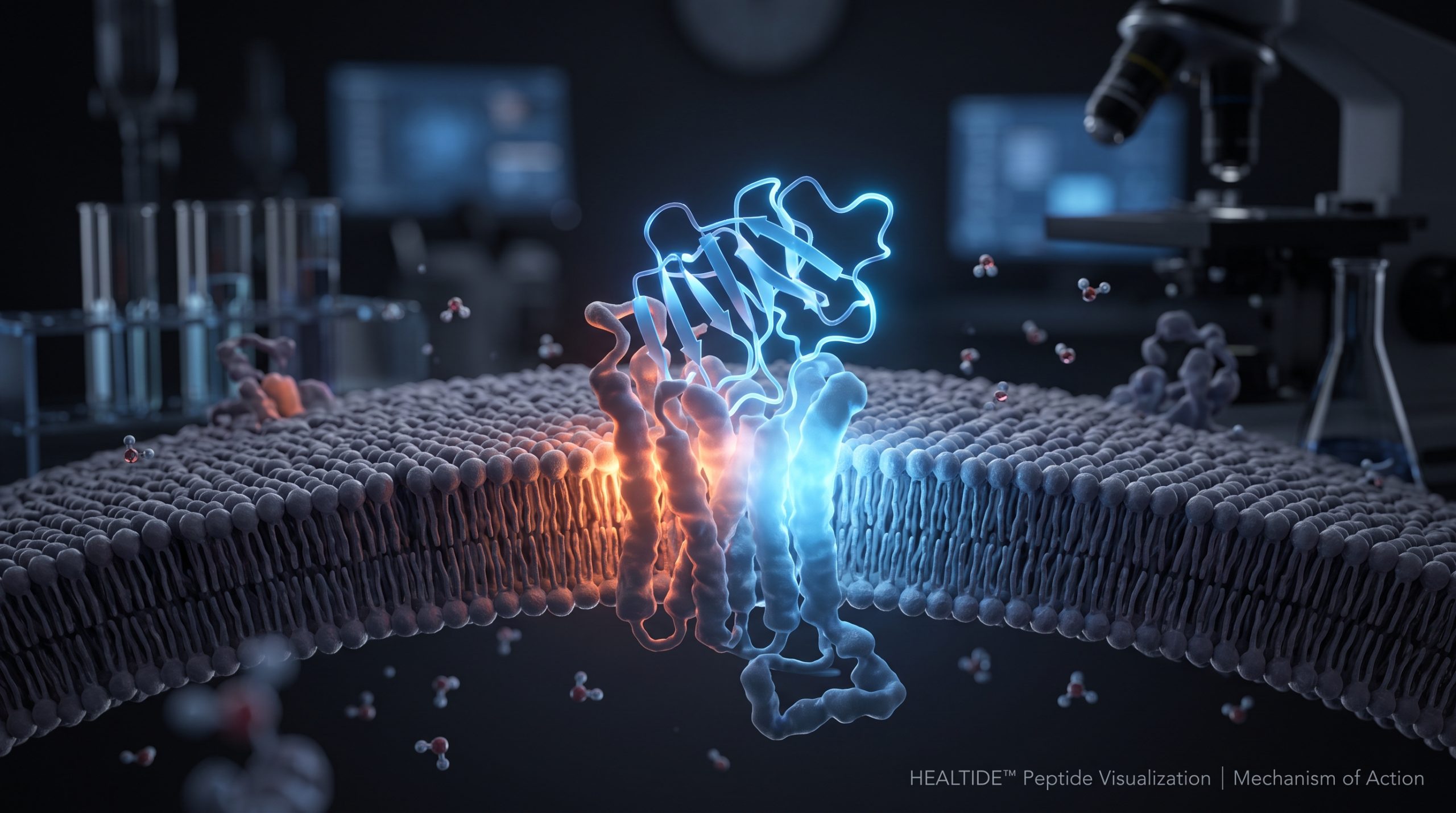
Synthetic Biology stands as a beacon of innovation, especially in medical and pharmaceutical domains in the age of rapid technological advancement. The field aims to design or assemble existing bio-parts or bio-components for practical applications, enriching medical and pharmaceutical landscapes with groundbreaking possibilities. This article delves into the multi-faceted applications of synthetic biology, specifically focusing on its transformative role in biosynthetic peptide manufacturing.
Standardized Biological Building Blocks
Synthetic biology employs standardized biological building blocks to construct intricate bio-circuits. These bio-circuits serve as the foundational platforms for a multitude of medical and pharmaceutical applications. They provide the blueprint for creating efficient, low-cost, and high-yield production systems for complex biochemicals, including biosynthetic peptides.
Genomic and Metabolic Engineering Tools
The advent of various genomic and metabolic engineering tools has accelerated the potential applications of synthetic biology. These tools enable precise control over the cellular machinery, offering avenues for fine-tuning the production of biologically active compounds. As a result, biosynthetic peptides can be produced with high precision and efficiency, making them ideal candidates for diverse therapeutic applications.
Collaboration and Interdisciplinary Approach
The power of synthetic biology is not confined to a single field; it thrives on interdisciplinary collaboration. Biologists, engineers, and data scientists come together to create synergistic solutions that push the boundaries of what is possible. Such collaborative efforts facilitate the development of innovative medical treatments, diagnostic tools, and pharmaceutical products, further elevating the significance of synthetic biology.
Peptide-Based Therapies
Peptide-based therapies have emerged as a promising field, given their potential for treating a wide range of medical conditions, from degenerative arthritis to diabetes. Synthetic biology’s role in producing these peptides cannot be overstated. The efficiency and cost-effectiveness of biosynthetic pathways provide a competitive edge over traditional manufacturing methods, ensuring high-quality, low-cost therapeutic peptides.
Personalized Medicine and Therapeutics
One of the most intriguing applications of synthetic biology lies in the realm of personalized medicine. By utilizing advanced genomic and metabolic engineering tools, synthetic biology allows for highly tailored treatments. Patients can benefit from customized therapies that are more effective and have fewer side effects, marking a significant step forward in patient-centric healthcare.
Applications in Cosmetics and Nutraceuticals
Beyond the medical sphere, synthetic biology has significant implications in the cosmetics and nutraceutical industries. The high precision of peptide production enables formulations with anti-aging, anti-wrinkle, and other cosmetic benefits. Similarly, peptide-based nutraceuticals offer potential benefits in immunity enhancement, cardiovascular health, and diabetes management, among others.
Future Directions and Sustainability
Synthetic biology also presents promising pathways for sustainability. By enabling the production of biodegradable materials, reducing waste, and optimizing resource use, the technology aligns with global sustainability goals. It offers not just medical and commercial benefits but also a vision for a more sustainable future.
Intellectual Property and Market Reach
The value of synthetic biology extends to the creation of intellectual property. Numerous international invention patents have been secured, covering a wide range of applications for biosynthetic peptides. These patents not only provide a competitive advantage but also pave the way for further innovation in the field.

Global Market Potential of Synthetic Biology
The global market for products derived from synthetic biology is burgeoning, expected to reach new heights in the coming years. This growth is not limited to specific geographies or industries. From healthcare systems in developed countries to agricultural sectors in emerging markets, synthetic biology has the potential to make a global impact, revolutionizing how we approach medicine, nutrition, and even environmental conservation.
Challenges and Ethical Considerations
While synthetic biology offers a plethora of opportunities, it is not without challenges and ethical considerations. The creation of new bio-components and systems presents questions regarding safety, environmental impact, and ethical use. Regulatory frameworks are continually evolving to address these concerns, ensuring that synthetic biology’s potential is harnessed responsibly.
AHB Lab: Leading the Way in Biosynthetic Peptide Manufacturing
As a pioneer in Taiwan’s biotech landscape, AHB Lab focuses on the development and supply of novel biosynthetic peptides and their commercialized products. Leveraging its self-developed core technology, the “Synthetic Biology Peptidomimetic Platform (SBPP),” AHB Lab has revolutionized mass production processes for dipeptides to henicosapeptides. SBPP offers a low-cost, high-yield approach aimed at peptide-based therapies relevant in cosmetics, nutraceuticals, and medicine.
AHB Lab currently offers 11 biosynthetic peptide materials and 4 biosynthetic peptide-based product series. With 6 international invention patents from Taiwan, Japan, and China, the company’s medical applications include treatments for degenerative arthritis, tendon fasciitis, ligamentitis, and many more. SBPP utilizes endotoxin-free E. coli or edible pharmaceutical-grade yeast for fermentation, followed by protease hydrolysis technology to achieve high precision and concentration in the final product.
In conclusion, synthetic biology is a transformative force in medical and pharmaceutical fields, offering unprecedented opportunities for innovation. AHB Lab stands at the forefront of this revolution, committed to unlocking the full potential of biosynthetic peptides for a healthier and more sustainable future.