The Complexity of Calcium Homeostasis and its Implications
Calcium ions (Ca2+) are pivotal in a myriad of cellular processes, from signaling pathways to metabolic functions. As innocuous as it may seem, calcium homeostasis is a complex ballet that involves a variety of proteins, channels, and cellular organelles. This article delves into the cutting-edge research unraveling how calcium dynamics are intricately linked to cellular health and diseases like Wolfram Syndrome (WS).
The Pivotal Role of the Endoplasmic Reticulum
The endoplasmic reticulum (ER) is not just an organelle in the cell; it’s a hub for calcium storage and signaling. It’s in this network of membranes where the calcium ion concentration is regulated, directly affecting cellular processes such as muscle contraction, cell division, and apoptosis. Understanding the role of the ER in calcium homeostasis is crucial for the study of diseases like WS.
Calcium and the Endoplasmic Reticulum
One of the key organelles involved in calcium homeostasis is the endoplasmic reticulum (ER). The ER serves as a major calcium store, aiding in protein folding and other cellular functions. Disruption in ER calcium concentrations can trigger a chain of events that lead to ER stress and activation of the unfolded protein response (UPR). This is where proteins like WFS1 and CISD2 come into play.
Role of WFS1 in Calcium Homeostasis
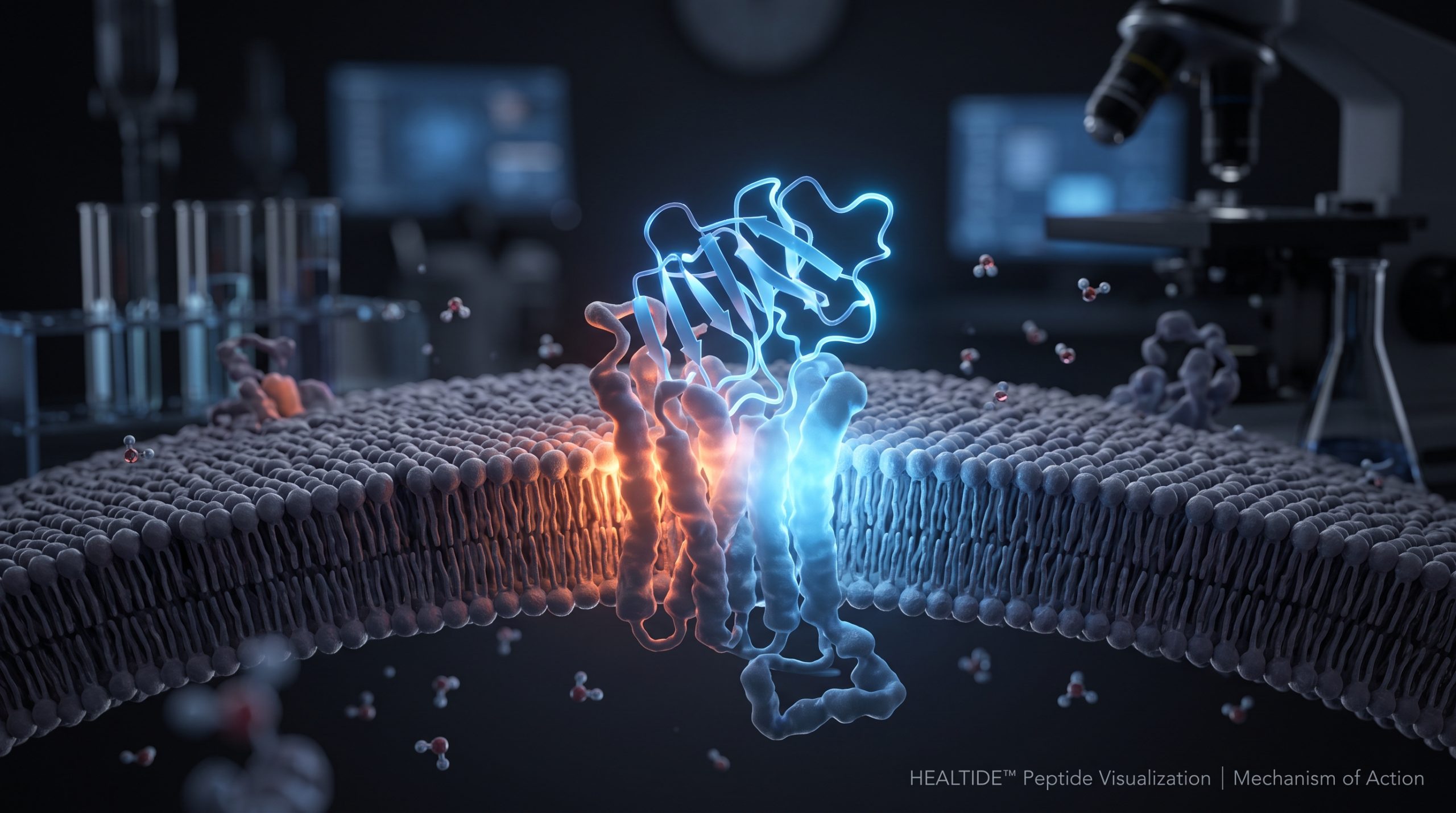
WFS1 is a protein that has been implicated in regulating calcium levels within the ER. It is suggested that WFS1 could function as a Ca2+-permeable channel, impacting the steady-state ER Ca2+ concentrations. Interestingly, WFS1 interacts with the Sarco/Endoplasmic Reticulum Ca2+-ATPase (SERCA), potentially guiding its degradation and thus affecting the rate of calcium uptake by the ER.
Understanding CISD2’s Role in Calcium Homeostasis
Similar to WFS1, CISD2 is another protein that plays a crucial role in maintaining ER calcium homeostasis. Although the exact mechanisms are not yet fully understood, it is known that CISD2 interacts with SERCA, possibly affecting its activity. This suggests that CISD2 might also have a significant role in calcium dynamics within the ER.
Wolfram Syndrome and Calcium Dysregulation
Both WFS1 and CISD2 have been linked to Wolfram Syndrome, a rare genetic disorder that presents a range of symptoms, from diabetes mellitus to optical atrophy. The syndrome is connected to defects in ER calcium homeostasis, among other cellular dysfunctions. Understanding how WFS1 and CISD2 regulate calcium could be the key to unravelling the molecular pathogenesis of WS.
The Convergence of WFS1 and CISD2 in Calcium Signaling
Although these proteins belong to different families and have distinct biochemical properties, they converge at the ER membranes and the ER-mitochondrial contact sites. This strategic localization enables them to modulate Ca2+ homeostasis in a coordinated way. Both proteins seem to control various aspects of ER Ca2+ transport systems, although the mechanisms are not yet fully understood. Given their implications in WS, understanding these mechanisms could pave the way for therapeutic strategies to mitigate disease progression in WS patients.

Calcium in Everyday Health
Calcium isn’t just for strong bones and teeth; it plays a vital role in nerve transmission, muscle function, and cellular signaling. Insufficient calcium can lead to a range of health issues, from minor irritations like muscle cramps to severe conditions like osteoporosis.
Clinical Implications of Calcium Homeostasis
The dysregulation of calcium homeostasis could be a focal point in the pathogenesis of diseases like WS. Clinical trials are already underway exploring the efficacy of drugs like dantrolene, an inhibitor of RyRs, in combating excessive cell death in WS. Understanding the roles of WFS1 and CISD2 in calcium transport can provide critical insights into novel therapeutic strategies.
The Future of Calcium Research
As scientific research advances, emerging technologies like CRISPR and high-resolution microscopy promise to unveil the mysteries of calcium homeostasis at the molecular level. These techniques could radically change our understanding and treatment of diseases related to calcium imbalance.
A Novel Way to Support Calcium Absorption: MCPC®
In the realm of calcium absorption, MCPC® emerges as a groundbreaking product. Designed for those with osteoporosis, immune system enhancement, and growing children, MCPC® uses a unique core structure to chelate calcium ions in the small intestine. This dynamic combination promotes the intestinal absorption of calcium ions, ensuring that more calcium is available for bodily functions.
Importance of Diet in Calcium Homeostasis
While our focus is on cellular mechanisms, it’s essential to remember that calcium absorption begins with diet. Foods rich in calcium, like dairy products and leafy greens, are indispensable. However, factors like vitamin D levels and digestive health can also significantly impact how well our bodies absorb this crucial mineral.
Conclusions
The regulation of calcium ions is far more intricate than previously thought, involving a delicate balance maintained by proteins like WFS1 and CISD2. Disruptions in this balance can lead to severe consequences, from cellular dysfunction to diseases like Wolfram Syndrome. As research progresses, the hope is to decode the complex mechanisms of calcium homeostasis fully, thereby unlocking new avenues for therapeutic interventions.
Funding and Author Contributions
Research in this field is generously funded by various organizations, including the Research Foundation–Flanders, the Research Council–KU Leuven, and others. The collective contributions of researchers from diverse backgrounds underscore the collaborative spirit driving these scientific advances.