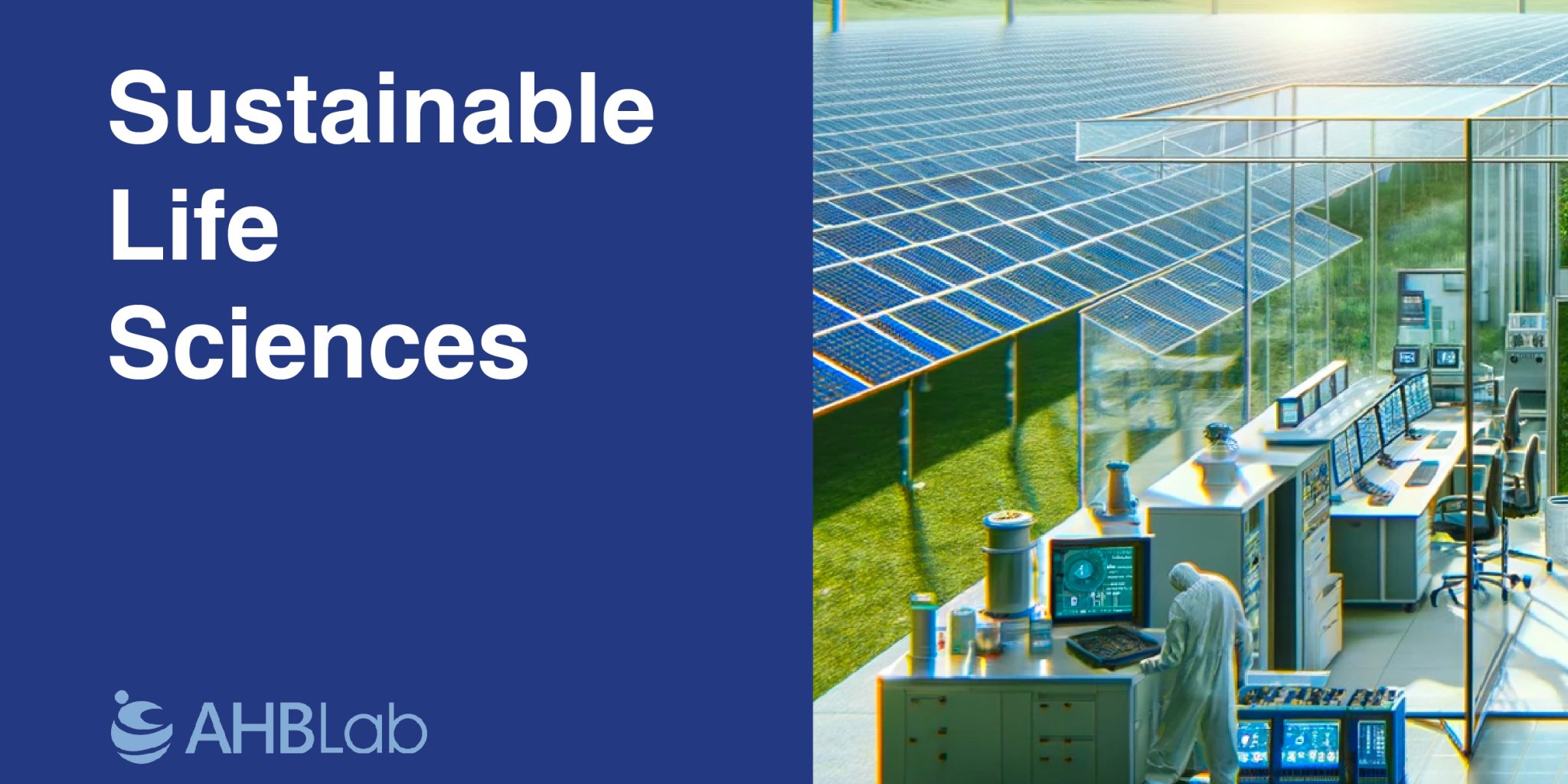
The quest for sustainability within the life sciences sector is gaining unprecedented momentum. As an integral part of society, companies involved in pharmaceuticals, medical technology, and healthcare services are redefining their operational ethos to embrace environmental stewardship. The term “Sustainable Life Sciences” has become more than a buzzword; it represents a holistic approach to achieving net-zero emissions, ensuring the health sector contributes positively to the planet’s future.
The Imperative for Environmental Responsibility
In the wake of climate change, the industry that has traditionally focused on curing diseases is now also tackling the malaise of carbon emissions. With a significant environmental footprint, the life sciences field is pivoting towards a greener future. The industry’s pivot is not merely for compliance but is becoming a core part of their value proposition, enhancing patient care, organizational efficiency, and ecological integrity.
Net Zero Goals in Life Sciences
Achieving net-zero emissions is a complex journey that involves balancing the greenhouse gases produced against those removed from the atmosphere. “Sustainable Life Sciences” practices are pivotal in this quest, with companies setting ambitious targets and investing in green initiatives. These targets, often aligned with the Science Based Targets initiative (SBTi), are driving companies to reimagine sourcing, operations, and product design with sustainability at the forefront.

Overcoming Scope 3 Emissions Challenges
The majority of emissions in life sciences fall under Scope 3 category—emissions that occur beyond the direct operations of an organization. Sustainable Life Sciences strategies must, therefore, extend beyond internal practices to encompass the entire value chain. Engaging suppliers, distributors, and partners in a collaborative effort to lower emissions is essential for a successful transition to net-zero.
The Economic Sense of Going Green
Beyond the environmental benefits, there is a compelling economic argument for life sciences organizations to adopt sustainable practices. Sustainable Life Sciences can lead to significant cost savings, operational efficiencies, and a competitive edge in the marketplace. The strategic selection of suppliers, operational models, and end-of-life solutions not only minimizes the carbon footprint but also aligns with consumer and investor expectations for corporate responsibility.
Case Studies in Sustainability: The Pharmaceutical Lens
Examining the pharmaceutical sector offers insightful case studies on the implementation of Sustainable Life Sciences. With upstream emissions comprising a significant share of the carbon footprint, this segment is actively working towards sourcing greener materials and optimizing supply chain management to reduce its environmental impact.
The Financial Model of Sustainable Initiatives
A key consideration in the transition to net-zero for life sciences companies is the financial viability. Investments in sustainability can yield direct returns, and many green initiatives can be pursued at a net-zero cost. For instance, the deployment of certain carbon reduction strategies offers a positive net present value (NPV), essentially paying for themselves over time through energy savings and operational efficiencies.
The Role of Carbon Offsets in Life Sciences
To address the emissions that cannot be immediately eliminated, life sciences companies are turning to carbon offsets. These credits allow for investment in environmental projects that reduce emissions elsewhere, thus balancing the company’s carbon ledger. As the industry moves toward Sustainable Life Sciences, these credits play a vital role in the interim, providing a mechanism to achieve net-zero while permanent solutions are being developed.
Projections and Future Trajectory
Looking ahead, the life sciences sector is poised to make significant strides in reducing its carbon footprint. By 2040, it is estimated that the majority of emissions can be abated at a manageable cost, aligning with projected carbon prices. Sustainable Life Sciences will continue to be at the heart of this transformation, with innovation and collaboration driving progress.
In conclusion, the life sciences industry is at a crossroads, with the path toward sustainability becoming clearer and more actionable. “Sustainable Life Sciences” is more than an aspiration—it’s a necessary evolution of the sector that aligns healthcare with planetary health, proving that the industry dedicated to saving lives can also commit to saving the planet.
AHB-Lab’s Commitment to Peptide Innovation and Sustainability
At AHB-Lab, sustainability and innovation walk hand in hand, particularly in our work with peptides. Our approach to “Sustainable Life Sciences” involves not only developing cutting-edge peptide therapies but also ensuring that these processes contribute to our net-zero goals. We leverage sustainable methods in peptide synthesis and purification, minimizing environmental impact without compromising the efficacy of our products. Our dedication to sustainable peptide science is paving the way for greener practices throughout the life sciences sector, underscoring AHB-Lab’s role as a pioneer in both scientific advancement and environmental stewardship.