Ambitious Research to Monitor Virus Transmission Between Humans and Animals
Amid the rugged terrain of California’s Mission Creek Preserve, a significant scientific endeavor is taking place. A helicopter, carrying an unusual cargo of four desert bighorn sheep each secured in individual bags, lands near a makeshift field lab at the base of barren desert mountains. This operation is part of a broader, ambitious U.S. project aimed at sampling more than 50 animal species to better understand the transmission dynamics of the COVID-19 virus between humans and wildlife. Each sheep, momentarily suspended like a lantern from the helicopter’s belly, is quickly transported by the California Department of Fish and Wildlife team to the lab for a series of health assessments. These include weighing, measuring horn length, conducting sonograms on pregnant ewes, fitting GPS collars, and collecting vital biological samples such as nasal swabs and blood. This meticulous process not only provides crucial data on the health of the bighorn sheep but also contributes to a crucial study of infectious disease transmission.
The Intersection of Wildlife Management and Virus Tracking
This November 2023 operation is an extension of a longstanding state program designed to monitor and ensure the health of bighorn sheep populations. However, its significance has been magnified due to its integration into a new research initiative that holds global importance. Under the direction of Kurt Vandegrift, a renowned disease ecologist at Pennsylvania State University, the project has evolved into one of the world’s largest wildlife surveillance efforts specifically targeting SARS-CoV-2, the virus that causes COVID-19. Vandegrift’s lab is a nexus of activity, where samples collected from various wildlife species across North America are analyzed to track the spread and mutation of the virus. The aim is to ascertain how SARS-CoV-2, a pathogen that has predominantly affected humans, is interacting with North American wildlife, adapting within these new hosts, and potentially forming reservoirs that could pose future threats to human health.
The Science and Method Behind the Mission
The scope of this research is vast, involving the collection and analysis of over 24,000 samples from 58 different wildlife species over the next two years. This comprehensive sampling strategy is designed to detect both active SARS-CoV-2 infections and past exposures through antibody presence, providing a dual lens through which to view the virus’s impact on wildlife populations. The ultimate goal of Vandegrift and his team, which includes virologist and veterinarian Suresh Kuchipudi from the University of Pittsburgh, is to determine the extent of the virus’s spread among animals and to assess the potential for these animal hosts to serve as sources for new viral variants. Such variants could complicate current diagnostic and treatment strategies and reignite waves of infection among human populations. By understanding which wildlife species are susceptible to the virus, how they interact with one another, and their role in the virus’s lifecycle, researchers hope to uncover patterns that will not only explain past outbreaks but also predict and prevent future ones.
Widespread Efforts and Diverse Species
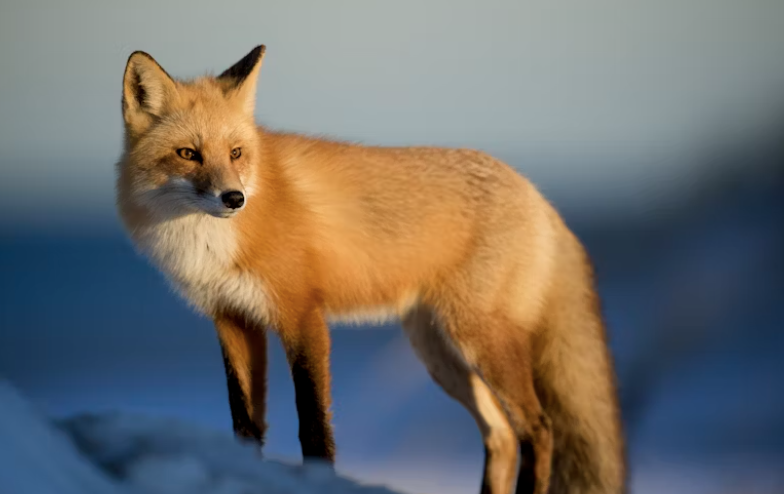
The breadth of this study is remarkable, stretching across various ecosystems and involving a plethora of species ranging from urban dwellers to secluded forest inhabitants. Vandegrift’s project incorporates existing wildlife management activities in states like California and Alaska, where samples from native species such as foxes, bears, rabbits, beavers, and moose are collected. Furthermore, the initiative extends to a national scale, involving hunters who provide access to additional species like mule deer, coyotes, bobcats, and fishers—a weasellike carnivore. In urban areas, a national pest control company collaborates by supplying specimens from commonly found city wildlife including opossums, rats, raccoons, and skunks collected across 10 major cities. Additionally, animal rehabilitation networks contribute samples from various small mammals like white-tailed deer, shrews, weasels, and squirrels. This extensive sampling is critical as it allows researchers to examine a wide range of interactions and transmission dynamics across a diverse set of environments and species, thereby enhancing the robustness and applicability of the research findings.
Insights from Experts and Ongoing Research
Esteemed researchers like Andy Dobson, a disease ecologist at Princeton University, praise the project for its critical role in enhancing our understanding of viral diseases within wildlife populations. The comprehensive nature of this study not only helps identify which species might serve as reservoirs or vectors for the virus but also provides a clearer picture of how interspecies transmission could influence future pandemics. Ongoing results from this study are shedding light on the prevalence of SARS-CoV-2 in species like the white-tailed deer, which shows unexpectedly high levels of infection across North America. These insights are pivotal, as they contribute to the global understanding of disease ecology and help shape policies aimed at preventing the spillover of infectious diseases from animals to humans. The collaboration among various institutions and the integration of different data sources create a multidimensional perspective on how environmental, biological, and interactional factors may influence viral transmission patterns.
Conclusion and Future Directions
As the project progresses, Vandegrift and his team are continuously analyzing the influx of data, with early findings expected to yield significant insights into the behavior of SARS-CoV-2 within wildlife populations. The upcoming months are crucial as more samples are anticipated from smaller mammals, which are active during the spring, and from collaborators in Alaska who have recently sent specimens from an array of species, including bison, caribou, and mountain goats. These efforts underscore the importance of a proactive approach to wildlife disease surveillance, suggesting that even as public interest may wane post-pandemic, the necessity for such research remains critical. It is essential to maintain vigilance and funding for these types of studies to not only address the current issues related to SARS-CoV-2 but also to prepare for future zoonotic disease challenges that may arise. The insights gained from this extensive study could ultimately guide global strategies in managing and preventing zoonotic spillovers, thereby safeguarding both animal and human health in the years to come.
At AHB Lab, we are more than just a leader in peptide synthesis; we are a vital part of the biotechnology exploration frontier. Our expertise extends beyond producing high-quality peptides—we embody a vision of innovation that influences the entire biotech field. As we report on the latest scientific news, we remain committed to deepening our understanding of peptide structures and their functions, unraveling molecular complexities that could unlock revolutionary health solutions. Our dedication to aligning with cutting-edge scientific research and technological advancements positions us as pioneers, not only enhancing our capabilities in peptide manufacturing but also shaping the future of biotechnology. Join us at AHB Lab as we continue to forge new paths in science, steadfast in our commitment to excellence and innovation.