A New Hope for Duchenne Muscular Dystrophy Patients
The U.S. Food and Drug Administration (FDA) recently broadened its approval of Elevidys, a revolutionary gene therapy developed by Sarepta Therapeutics for Duchenne muscular dystrophy (DMD). This rare genetic muscle disease, primarily affecting boys, has long been a challenging condition to treat. Elevidys, costing $3.2 million per patient, represents a significant advancement in the battle against DMD, providing a one-time infusion of a viral vector carrying a version of the dystrophin gene, which is crucial for muscle function.
Background on Duchenne Muscular Dystrophy
Duchenne muscular dystrophy is one of the most severe forms of inherited muscular dystrophies. It causes progressive muscle degeneration and weakness, typically appearing between ages 3 and 6. The disease primarily affects boys due to its X-linked recessive inheritance pattern. Without effective treatment, children with DMD often lose their ability to walk by their early teens and may not live beyond their 30s due to respiratory or cardiac failure.
Initial Approval and Controversy
In June 2023, the FDA granted Elevidys provisional, accelerated approval for boys aged 4 to 5. This decision was based on initial data suggesting potential benefits, despite the therapy not meeting its primary target of improving muscle function in a large trial. The recent expansion of approval includes ambulatory boys aged 4 and older and non-ambulatory boys under an accelerated approval pathway. This broader approval aims to address the urgent treatment needs for all DMD patients with confirmed mutations in the DMD gene.
The Mechanism of Elevidys
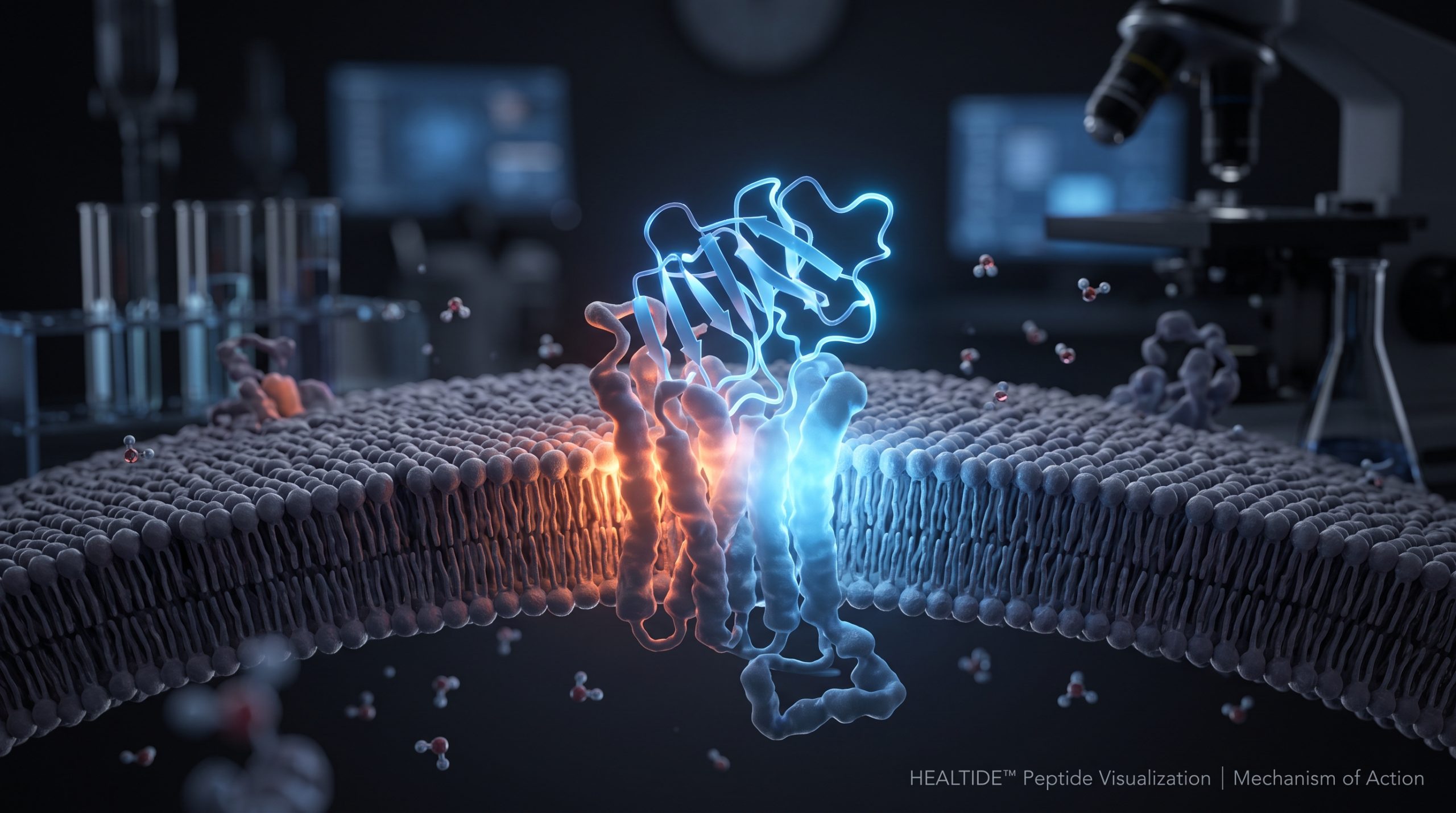
Elevidys works by delivering a functional version of the dystrophin gene into the patient’s muscle cells using a viral vector. This gene therapy aims to produce Elevidys micro-dystrophin, a shortened version of the normal dystrophin protein. While not identical to the full-length protein, this micro-dystrophin is expected to improve muscle function and slow disease progression.

Clinical Trials and Efficacy
The approval of Elevidys is supported by data from multiple clinical trials, involving 218 male patients with confirmed DMD gene mutations. These trials included double-blind, placebo-controlled studies and open-label studies. Although the primary endpoint—improving muscle function as measured by the North Star Ambulatory Assessment (NSAA)—was not met, secondary outcomes showed promising results. Improvements were observed in walking speed, time to rise from the floor, and creatine kinase levels, which are indicators of muscle health.
FDA’s Decision and Rationale
The FDA’s decision to expand Elevidys’ approval was influenced by several factors. Dr. Peter Marks, director of the FDA’s Center for Biologics Evaluation and Research, emphasized the urgent unmet medical need and the life-threatening nature of DMD. Despite the primary endpoint not being met, the FDA found the secondary and exploratory endpoints compelling enough to indicate clinical benefit. This decision highlights the agency’s commitment to providing new treatment options for patients with limited alternatives.
Reactions from the Medical Community
The expanded approval of Elevidys has garnered mixed reactions. Patient advocacy groups have lauded the decision, emphasizing the potential for improved quality of life for DMD patients. Dr. Sharon Hesterlee, chief researcher at the Muscular Dystrophy Association, expressed support, highlighting the importance of balancing risks and benefits in treatment decisions. Conversely, some critics argue that the approval was insufficiently supported by robust data, pointing to the therapy’s failure to meet its primary endpoint.
Potential Risks and Side Effects
As with any medical treatment, Elevidys carries potential risks. The most common side effects include nausea, vomiting, fever, and increased liver enzyme levels. More serious concerns involve acute liver injury, immune-mediated muscle inflammation, and myocarditis. Patients receiving Elevidys require careful monitoring of liver function and cardiac health to mitigate these risks.
Cost and Accessibility
Elevidys is among the most expensive treatments in the world, with a price tag of $3.2 million per patient. While the cost is eye-popping, it aligns with other one-time gene therapies that have emerged in recent years. The high cost reflects the complex and innovative nature of gene therapy development. Efforts are ongoing to ensure that patients who need this treatment can access it, including potential insurance coverage and financial assistance programs.
The Future of DMD Treatment
The approval of Elevidys marks a significant milestone in the treatment of Duchenne muscular dystrophy. It opens new avenues for research and development in gene therapy, potentially leading to more effective and accessible treatments in the future. While challenges remain, the progress made so far offers hope to thousands of families affected by this devastating disease.
Conclusion
The expanded approval of FDA of Elevidys represents a beacon of hope for patients with Duchenne muscular dystrophy. This groundbreaking gene therapy, despite its controversies and high cost, offers a new treatment option for a condition with limited alternatives. As research continues and more data becomes available, the medical community remains optimistic about the potential for gene therapy to transform the lives of those living with DMD.
At AHB Lab, we’re not just leaders in peptide synthesis; we’re at the heart of pioneering biotechnology exploration. Our focus goes beyond mastering peptide production to embody a vision that drives innovation across the biotech landscape. With the FDA’s recent expanded approval of Elevidys, a groundbreaking gene therapy for Duchenne muscular dystrophy, we are reminded of the incredible advancements happening in our field. We are committed to exploring the depths of peptide structure and function, uncovering the molecular mysteries that hold the key to groundbreaking health solutions. By aligning with the latest in scientific research and technological advancements, AHB Lab is dedicated to spearheading developments that not only enhance our understanding of peptides but also pave the way for revolutionary biotech applications. Join our quest as we forge new paths in science and contribute to shaping the future of biotechnology with our unwavering commitment to excellence and innovation.