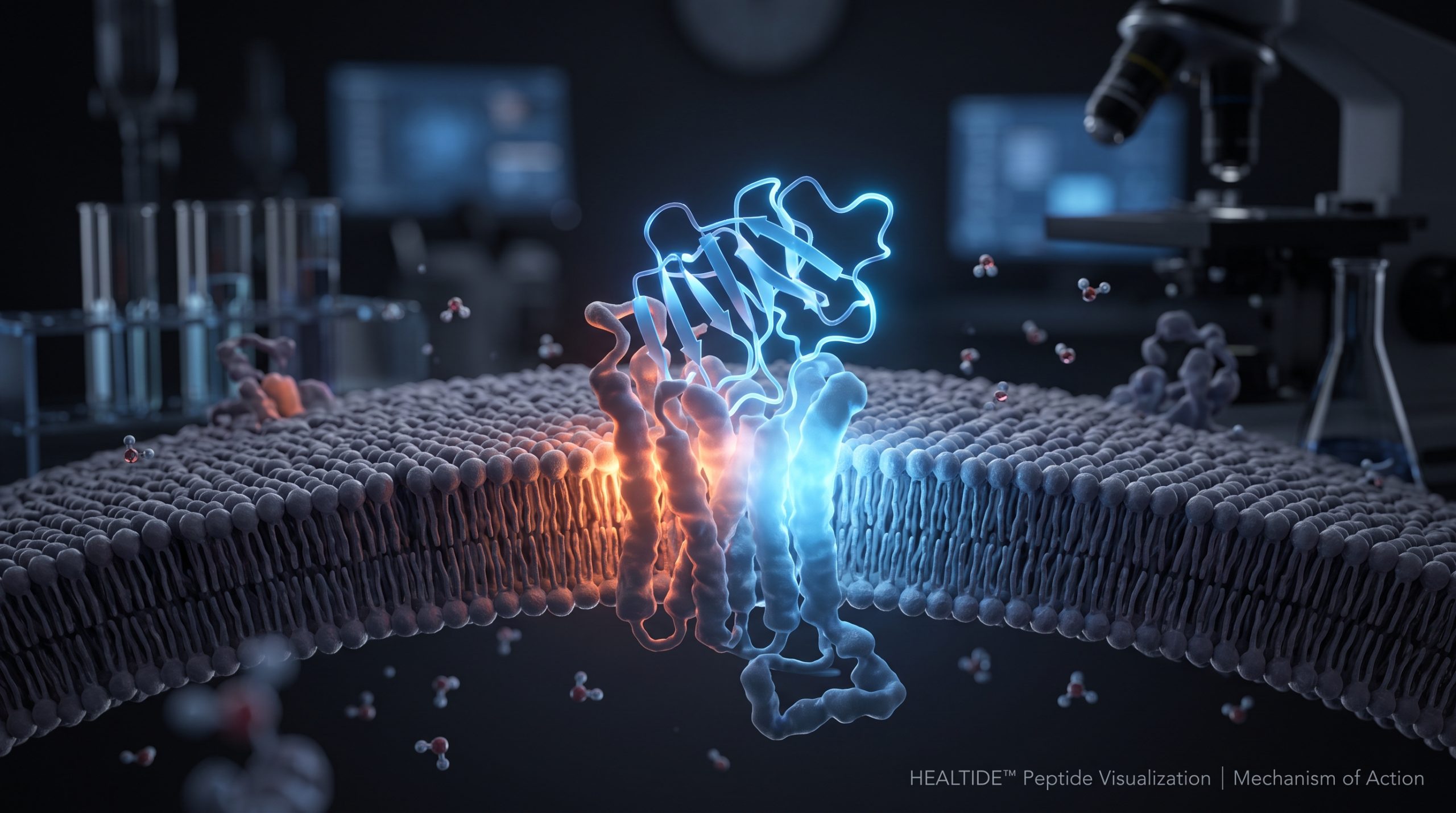
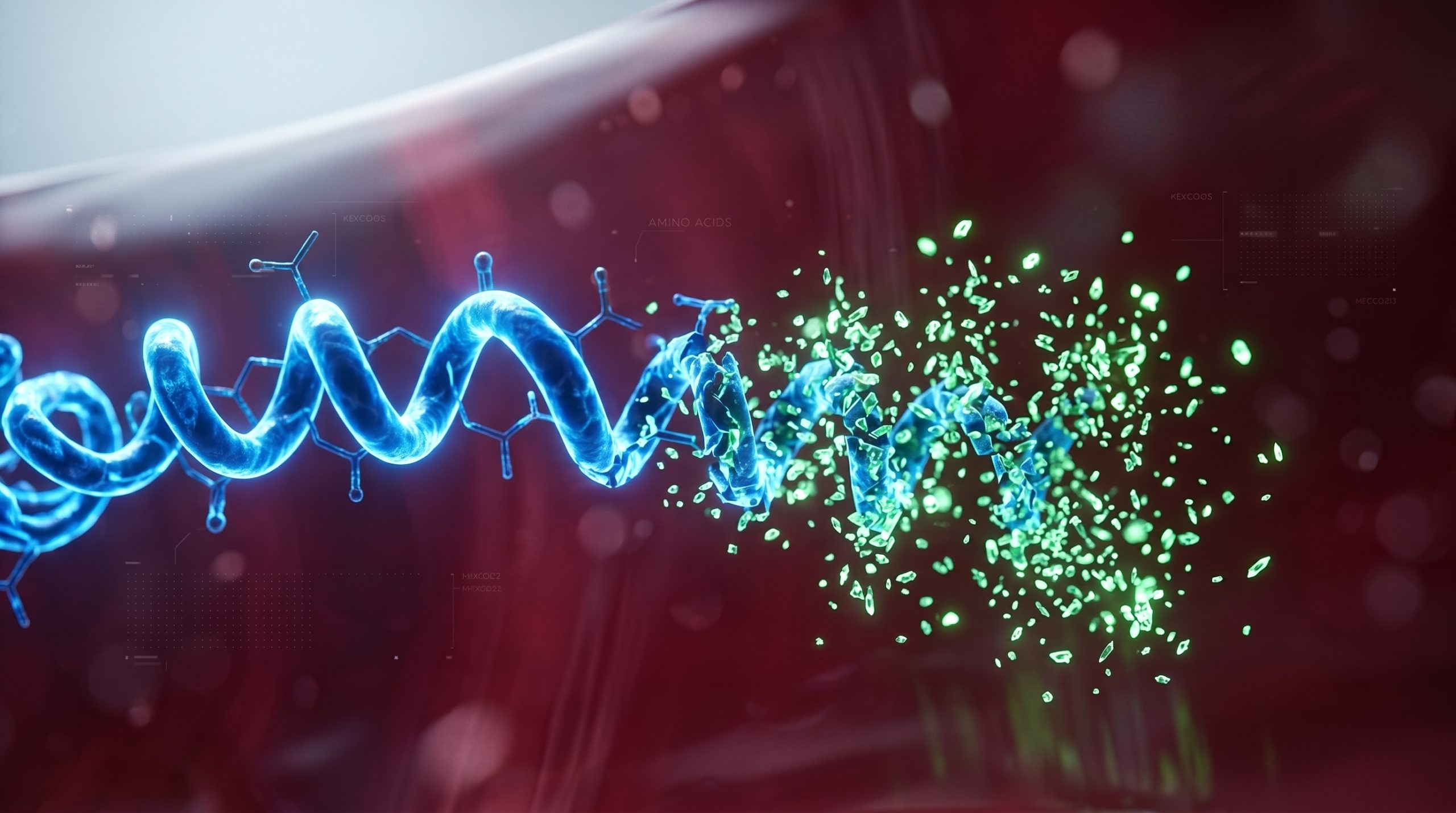
Research into the search for perpetual youth has interestingly linked peptides and hormones. Their impacts on skin elasticity, muscular tone, energy levels, and general vitality are determinant factors in how our bodies age. In particular, anti-aging peptides stand out in recent interest from the beauty and wellness industries because of their ability to target changes in cells produced by aging. But how do peptides and hormones interact, and how might knowledge of this interaction help us age more healthily?
What Are Peptides?
Peptides are short chains of amino acids that are precursors to proteins. They are messengers that instruct the cells to perform their functions, such as creating collagen, repairing tissue damage, or stimulating cell division. Peptides are an important anti-aging contributor.
Peptides are often touted in the beauty world as enhancing moisture, reducing wrinkles, and improving skin texture. However, by influencing hormone control of biological processes, peptides have a more profound effect on the body as a whole.
Hormones: What Are They?
The endocrine glands produce hormones, which are chemical messengers that regulate most bodily functions- from growth to metabolism and reproduction. Hormone imbalances resulting from aging bring about noticeable changes in our skin, muscles, and energy levels. Here are just a few examples:
- Oestrogen Declining: causes the skin to be thinner and less elastic.
- Decreased Hormone Growth: causes slower cell turnover and less collagen to be produced.
- A rise in cortisol: Stressed hormones tend to dampen skin and increase aging.
How Do Hormones and Peptides Interact?
Peptides either stimulate the production of hormones or imitate their actions to affect their activity. Since peptides can target particular hormone-related aging processes, this link is the basis for several anti-aging medicines.
Important Ways Peptides and Hormones Interact
· Increasing the Production of Growth Hormones
The pituitary gland releases more human growth hormone (HGH) in response to specific peptides, such as growth hormone-releasing peptides (GHRPs). HGH is essential for preserving energy levels, muscle tone, and skin suppleness. HGH levels naturally decrease with age, resulting in drooping skin, wrinkles, and a decrease in vigor. Peptides can mitigate these effects by boosting the generation of HGH.
· Simulating Hormonal Processes
Peptides can mimic certain hormones to cause particular bodily reactions. For example, copper peptides mimic cell signaling that promotes the production of collagen and wound healing, both of which are essential for healthy skin.
· Control Hormones with Stress
Chronic stress increases the production of cortisol, which degrades collagen and disrupts the integrity of the skin. Thus, aging accelerates. By controlling the production of cortisol, best anti-aging peptides can lessen its negative effects on the skin.
· Enhancing Women’s Hormonal Balance
Oestrogen significantly influences skin health. Declining estrogen levels throughout menopause result in thinner, drier skin that is more prone to wrinkles. Specific peptides, like Argireline or matrixyl, can counteract the effects of estrogen by increasing collagen formation and enhancing hydration.
Advantages of Hormone and Peptide Balance
· Better Health of the Skin
Wrinkles, decreased suppleness, and skin thinning are all caused by declining growth hormone and estrogen levels. Peptides reverse the conditions as they promote the synthesis of collagen and elastin, two proteins that ensure firm, youthful skin. Peptides offer a scientifically proven way to maintain proper skin health combined with resistance to outward signs of aging by enhancing the structure of the skin with a supporting power for the regenerative process.
· Vitality Enhancement
HGH-stimulating peptides fight off general indications of aging by building up the body’s natural synthesis of human growth hormone. Energy levels rise, muscle strength increases, metabolism quickens and skin suppleness is restored. These peptides help one have a youthful outlook and vigor by promoting collagen synthesis and improving cellular regeneration. Adding HGH-stimulating peptides to your regimen makes a difference in your overall skin health.
· Reduced Wrinkle Lines
Peptides boost the effects of hormones similar to those that increase collagen production and restore cellular functions. They can effectively reduce wrinkles and prevent the formation of new ones by focusing their action on the basic mechanisms of new skin formation. Thus, the best anti-aging peptides bring more excellent elasticity to the skin, replenish moisture content, and prevent appearance-related effects of aging. They rejuvenate the skin, making it look firmer and younger by promoting cell turnover and healing damage. They are efficient components of anti-aging skincare regimens because they can mimic hormones.
· Stress Reduction
Cortisol-regulating peptides help protect the skin from stress damage. High cortisol levels can induce premature aging, degrade collagen, and inflame the skin. These peptides prevent the skin’s elasticity and texture deterioration by minimizing inflammation and facilitating healthier skin functioning by stimulating collagen production through cortisol regulation. This keeps you looking young and healthy even when you’re stressed.
Including Hormone Therapy and Peptides
Peptides and hormones work together harmoniously to create potent anti-aging agents. Here’s how to get the most out of them:
· Topical Uses
Use skincare products that contain peptides, like Argireline or Matrixyl, to reduce wrinkles and increase hydration. These products provide localized benefits and can be safely used daily.
· Injections or Supplements of Peptides
Peptide-based injections or supplements, such as CJC-1295, are commonly administered to achieve a complete anti-aging effect. These must be undertaken under the guidance of a qualified doctor.
· Hormone Replacement Therapy (HRT) in combination
Combining peptide skincare with HRT may help women going through menopause deal with the changes in their skin caused by estrogen.
· Changes in Lifestyle
Promote hormone and peptide function by leading a healthy lifestyle:
- Consume a diet high in antioxidants and amino acids.
- Use yoga or meditation to reduce stress.
- Make sleep a priority for the best possible hormonal balance.
Is There a Risk?
Although peptides are safe, improper use can result in adverse effects, especially when injectable forms are involved. Overuse, inappropriate dosage, or concurrent use of peptides with other treatments without proper advice could lead to unwanted side effects. To avoid complications, injectable peptides must be administered precisely; hence, it is always essential to seek professional advice from a certified healthcare professional before starting any peptide or hormone therapy. Professional assistance aids in tailoring treatment to individual needs to optimize benefits, risks for a safe and successful anti-aging journey.
Conclusion
One of the exciting prospects in the fight against aging is the new link between hormones and anti-aging peptides. Combining peptides with hormones like estrogen and HGH, such as GHK-Cu and Matrixyl, can boost the level of collagen, reduce wrinkles, and enhance skin elasticity. Scientifically supported peptides bring back vitality in the body and in the skin, making for a better fresher, younger look. Advanced peptide treatments are internally and externally active on the signs of aging. At AHB Labs, we specialize in these internal and external treatments, which go from topical preparations to supplementation. Based on cutting-edge research, our portfolio delivers remarkable outcomes. Please look at our premium anti-aging peptides to see the change for yourself. Ready to reinvent skincare? Visit AHB Labs now!