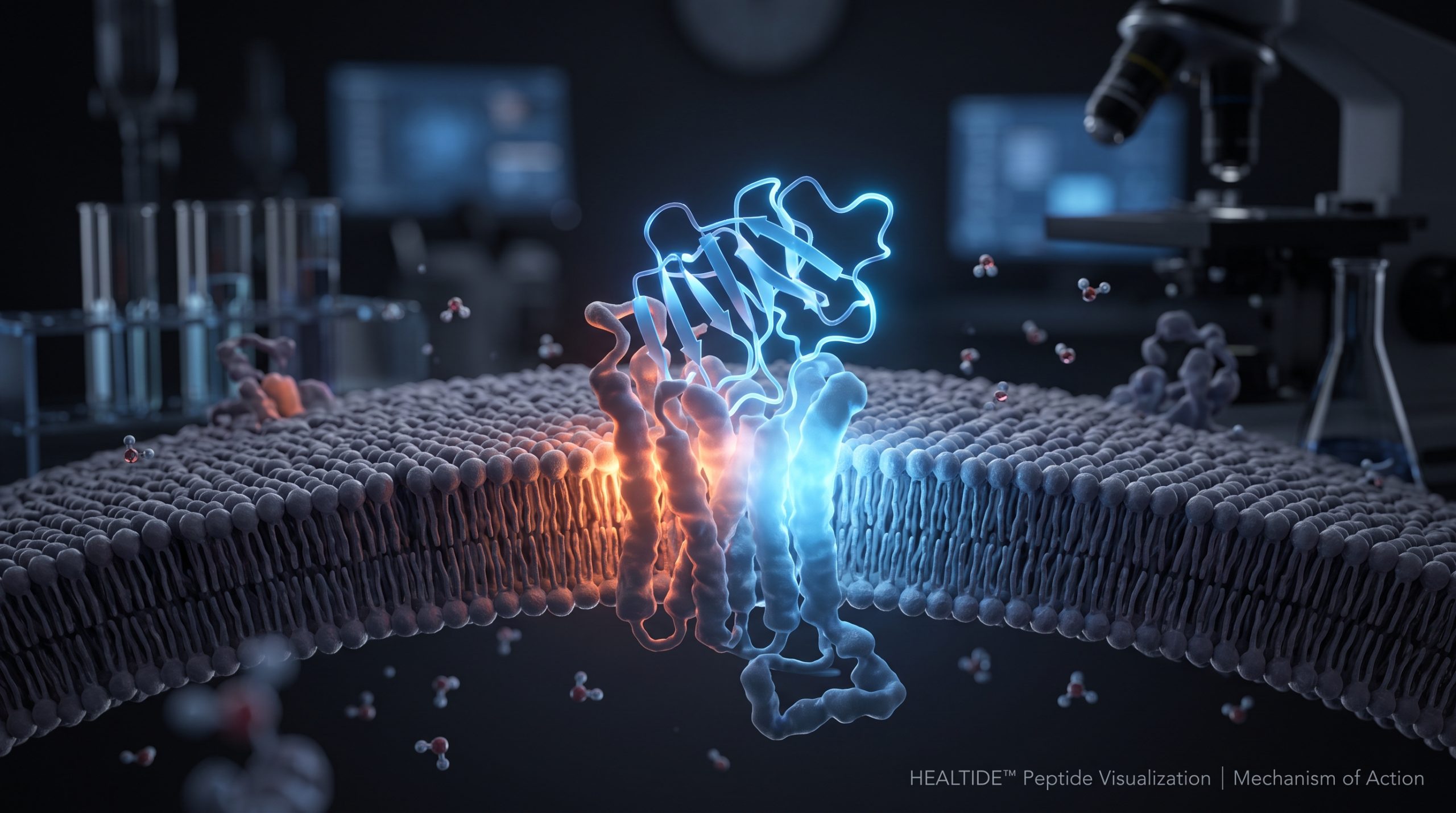
Collagen, the most plentiful protein in a human’s body, helps ensure that tissues, like skin, joints, bones, and tendons, remain healthy and in good condition. Of these many types of collagen, Type II is uniquely important because it is the primary component of cartilage, which is so essential to joint health. Collagen, especially Type II collagen peptides, is a naturally produced structure that decreases with age or with wear and tear on the human body. This reduction in collagen can cause osteoarthritis, stiffness of the joint, and discomfort.
Because of this, many individuals are incorporating collagen supplements, specifically Type II collagen peptides, to manage the pain and promote healthy joints. For collagen peptides to be active, the body has to be able to absorb, utilize, and metabolize them. This is called bioavailability. Included in this blog post will be the bioavailability, meaning, and how Type II collagen peptides support the joints.
What are type II collagen peptides?
Type II collagen peptides are derived from the protein Type II collagen, which mainly exists in cartilage. It is vital for the supple smoothness and flexibility of the cartilage, particularly at the joints, whereas Type I collagen is mostly located in the skin and bones. The breakdown of collagen by the body might lead to reduced mobility, pain, and joint deterioration.
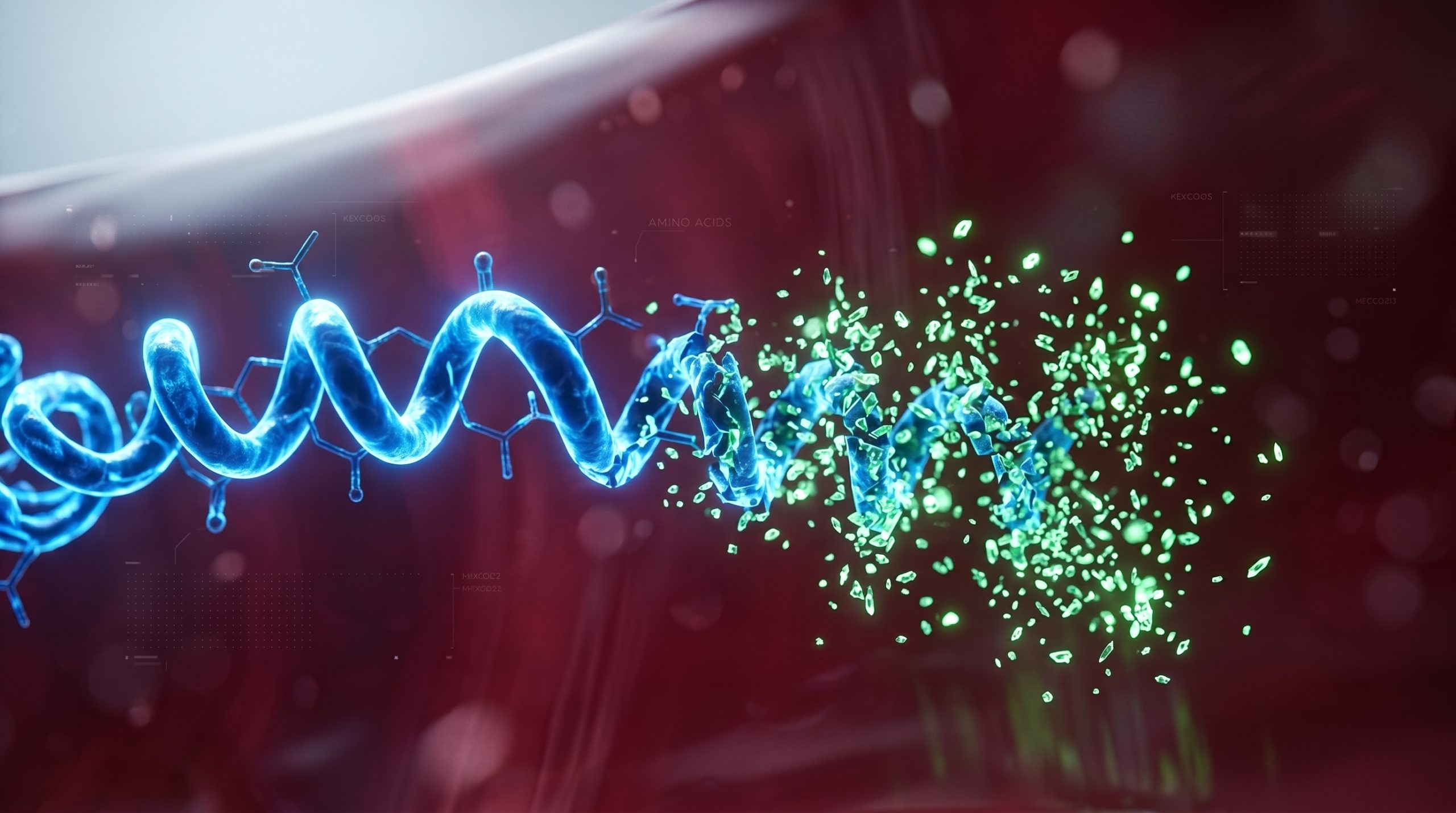
Hydrolysis is the process that produces type II collagen peptides, which are broken-down forms of intact collagen. This process breaks down the collagen into smaller chains of amino acids called peptides, which are more easily absorbed and utilized by the body. These peptides have been shown to reduce joint pain, decrease inflammation, and even repair cartilage.
The Value of Bioavailability in Collagen Supplementation
When a nutrient or substance enters the bloodstream, its bioavailability is the degree to which the body can absorb and use it. For collagen peptides to be effective, they must have high bioavailability. The greater the amount of a substance’s bioavailability, the more it can penetrate its target locations. Joints are one such example-and bring the desired benefits.
In this case, bioavailability is essential because Type II collagen peptides for pain have to reach the joints and cartilage to exert their positive effects. The reason for this is that if the body fails to absorb the peptides appropriately, the expected benefits regarding joint health cannot be achieved. In order for collagen supplementation to be both effective and beneficial, one must first understand what affects Type II collagen peptide bioavailability.
Why Are Type II Collagen Peptides Bioavailable?
There are a variety of reasons why type II collagen peptides are bioavailable, and all these help the body to absorb and use these peptides in a better manner. Here are the primary elements that increase collagen peptides’ bioavailability:
· Process of Hydrolysation
In hydrolysis, the large collagen molecules get divided into small, more easily managed peptides. Hydrolyzed collagen, or rather collagen peptides, is more readily absorbed by the digestive tract than intact collagen. The much easier peptidic chains pass through the walls of the intestine and then into circulation.
· Size and Structure of Molecules
Their molecular size significantly influences the bioavailability of Type II collagen peptides. Larger molecules may find it more difficult to pass through the intestinal lining, whilst the digestive tract more easily absorbs smaller peptides. Collagen breaks down into smaller peptides for better absorption, and the peptides will then penetrate the bloodstream fast and efficiently, leading to the efficacy of higher bioavailability and improved joint health support.
· Intake within the Digestive System
After ingestion, Type II collagen peptides are absorbed in the small intestine. Some factors influence its absorption, among which are other nutrients or ingredients that may hinder or enhance its absorption. Vitamin C, for example, was said to have a role in the absorption of collagen peptides to be utilized within the body due to its integral role in forming collagen. Furthermore, the peptides are further broken down and made easier to absorb by the digestive system’s enzymes.
· Targeting Peptides and Their Bioactive Impacts
Type II collagen peptides must go to the joints, cartilage, and tissues where they can work best after entering the bloodstream. Research has shown that these peptides can pass into injured joint areas, where they trigger the body’s signal to increase production of collagen and repair cartilage. In general, bioactive peptides promote joint health by stimulating repair in damaged cartilage and by reduction in inflammation.
This coordinated effort forms one of the most important elements of bioavailability. The better these peptides are able to enter and repair the damaged tissues, the more useful they are for joint health. Due to its bioactive features, type II collagen peptides for pain find extensive applications, primarily in the area of musculoskeletal disorders, joint pain, and arthritis treatments.
· Hydration and the Role of Collagen in Cartilage
Hydration is necessary for the proper functioning of cartilage and for collagen peptides to function. Cartilage’s collagen fibers facilitate water retention and hydration of the tissue. The hydration effect of type II collagen peptides, upon absorption by the body, might help restore the water content in the cartilage, improve its elasticity, strength, and resistance to trauma, and, therefore, the movement with reduced pain.
· Advantages of Combining Other Supplements
Type II collagen peptides can serve as a complementary supplement to any other joint health supplement to provide an overall efficiency and absorption capability. For instance, two of the most used supplements in conjunction with collagen peptides for joint care are glucosamine and chondroitin. Altogether, these compounds keep the cartilage healthy, prevent inflammation, and keep the joints supple. Therefore, absorption and bioavailability may be maximized by using them together, creating a more wholesome approach to managing joint health and is the best peptides for joint pain.
Why Bioavailability Matters in Healthy Joints
Type II collagen peptides directly relate to efficiency in terms of bioavailability when it comes to supporting joint health. If the uptake and usage are not effective, then collagen peptides cannot provide the therapeutic effects required to reduce joint pain and encourage regeneration in cartilage. A person can regain mobility and reduce the agony brought on by joint degeneration by making sure collagen peptides are accessible, allowing more potent effects in less time.
For people who are dependent on collagen supplements to combat long-term sicknesses, such as osteoarthritis or arthritis, greater bioavailability also makes results more predictable and constant. Efficient absorption and use by the body allow Type II collagen peptides for the long-term health of the joints, as well as an improved quality of life. Why Doctors Are Recommending Type 2 Collagen Peptides for Osteoarthritis Treatment Plans is due to their ability to support joint function and provide consistent benefits for those managing chronic conditions.
For individuals who wish to incorporate Type II collagen peptides in their everyday lives, utmost care should be taken to choose supplements that maximize their bioavailability. By appropriately consuming the supplement, your body will derive the maximum benefit from each dose of the best peptides for joint pain.
Type II collagen peptides are one of the high-quality, bioavailable collagen supplements that we here at AHB Lab specialize in providing to promote joint health, skin suppleness, and general well-being. Our commitment to innovation leads us to design our medicines with maximized bioavailability for visible results. Check out our collection of innovative supplements designed to improve your health and quality of life.