Botox has been the industry standard for wrinkle reduction for decades since it provides a rapid and efficient means of removing fine lines and other indications of aging. Due to recent breakthroughs in skincare studies, the best anti-aging peptides have become the go-to alternative. Since they can rejuvenate skin, enhance collagen production, and decrease wrinkles without injections, these naturally occurring substances are being increasingly liked by everyone.
However, can peptides really replace Botox? Let’s examine their functions, advantages, and suitability as an alternative to traditional wrinkle treatments.
Understanding Botox: How It Works
A neurotoxic protein known as Botox or Botulinum Toxin blocks nerve signals to temporarily paralyze facial muscles, smoothing out wrinkles and fine lines since muscles do not contract.
Benefits of Botox:
- Yield benefits nearly instantly (observable in 3–7 days).
- Good for expression lines and deep-set wrinkles
- Impacts that endure for a long time (usually 3-6 months)
Drawbacks to Botox:
- Needs injections, which can be uncomfortable and have adverse effects.
- It can result in an overly “frozen” facial expression.
- Requires ongoing upkeep to sustain results.
Even while Botox works, many individuals are looking for natural, noninvasive options, which is where peptides come in.
How Do Peptides Function and What Are They?
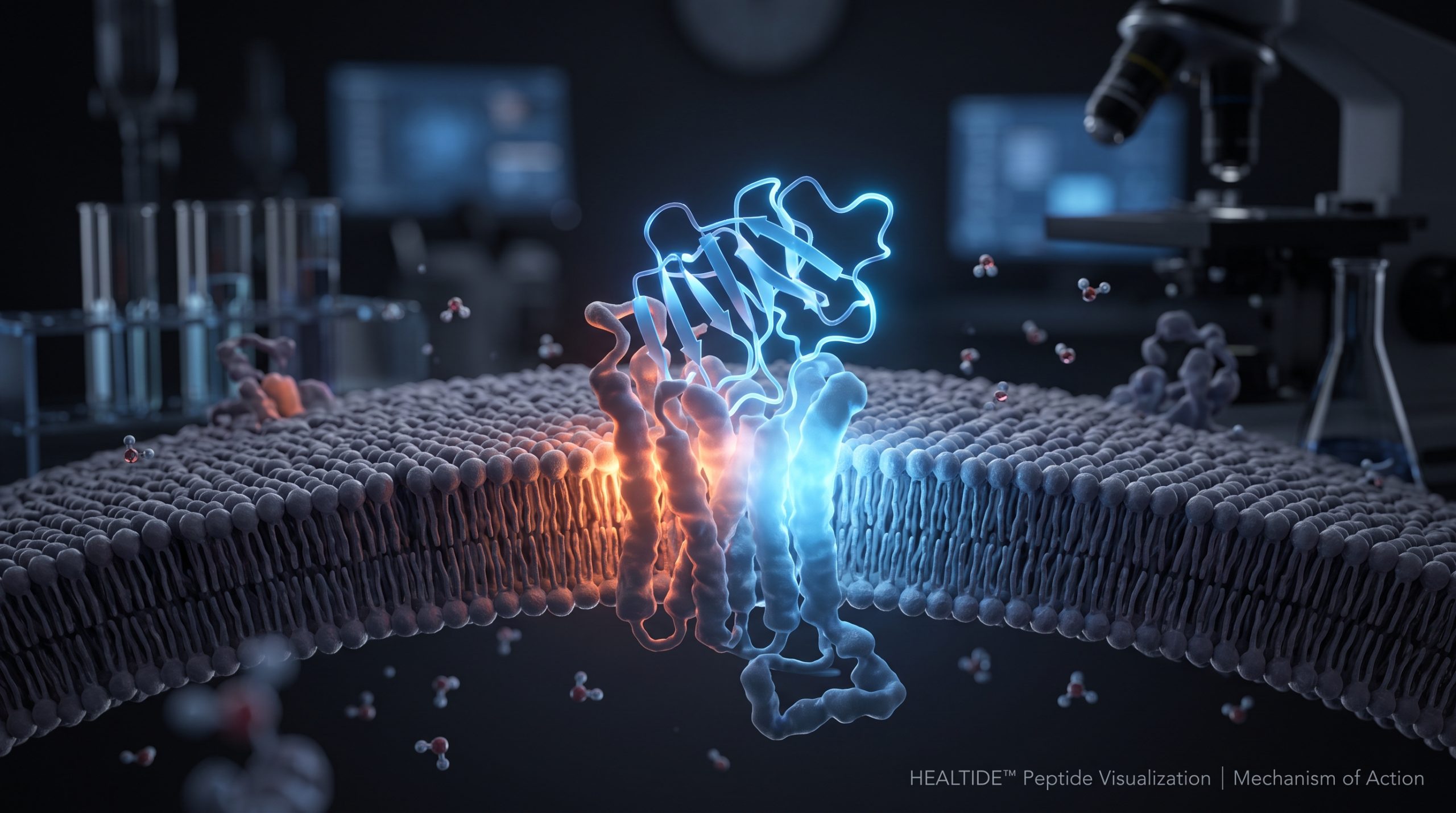
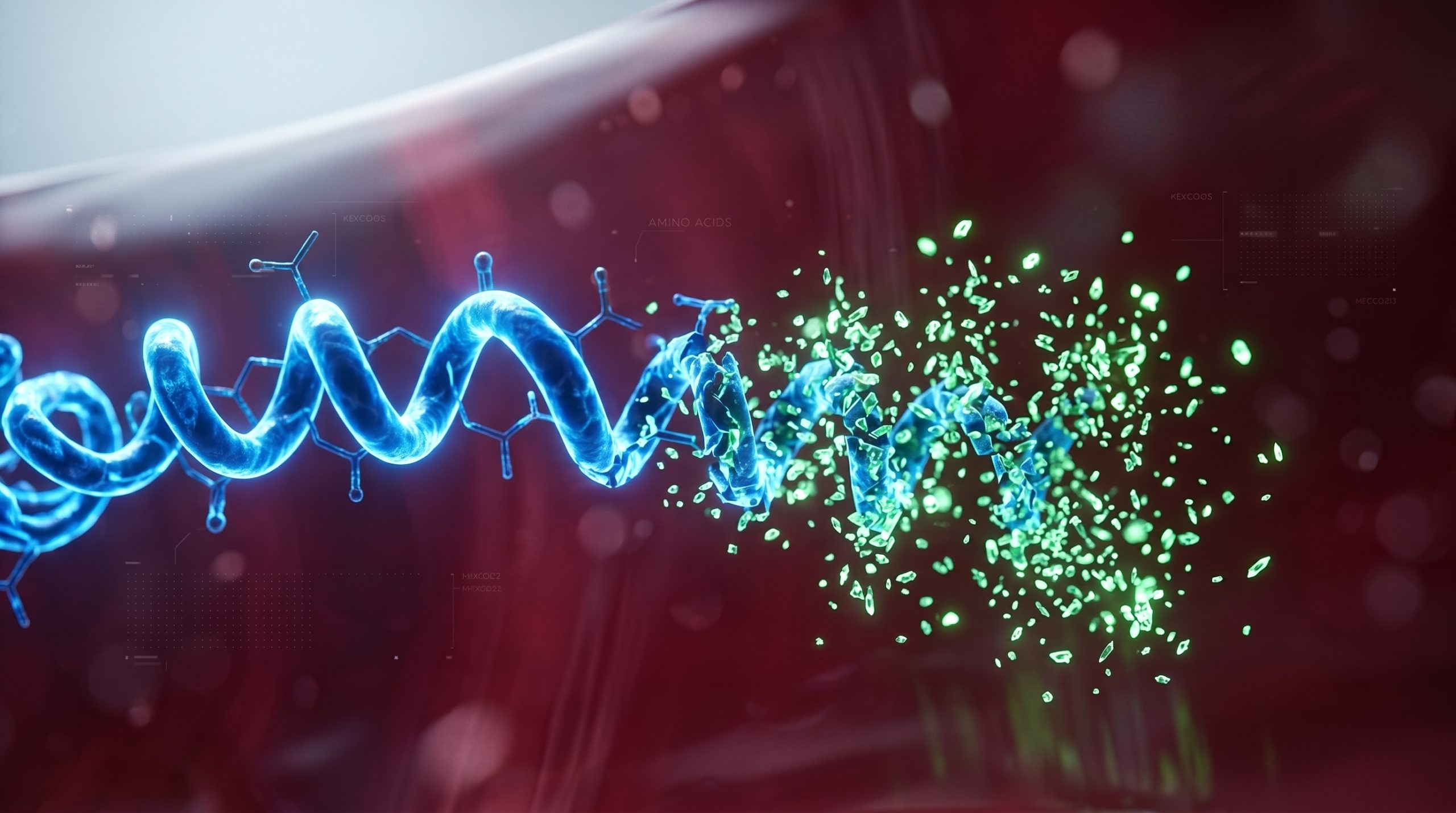
The building blocks of proteins such as collagen, elastin, and keratin-which maintain the firmness and plumpness of skin peptides. Peptides are short chains of amino acids that act at a cellular level, promoting collagen synthesis and smoothing wrinkles by gradually softening the skin. On the other hand, Botox acts on the paralysis of muscles.
Peptides take various forms and serve different purposes in anti-aging skincare products.
- Signal Peptides
These peptides support skin self-repair and firmness by encouraging collagen and elastin synthesis. The most famous two are Copper Peptides and Matrixyl (palmitoyl pentapeptide).
- Neurotransmitter-Inhibiting Peptides (Botox Alternatives)
These peptides relax the facial muscles in a way that is kinder and less invasive than Botox. Snap-8 and Argireline (acetyl hexapeptide-3) are two examples.
- Carrier Peptides
These peptides help skin cells heal and rejuvenate by delivering vital minerals like copper and magnesium.
- Enzyme-Inhibiting Peptides
These peptides keep the skin firm longer by arresting the degradation of collagen and elastin.
Can Peptides Replace Botox?
While the best anti-aging peptides are very good at reducing wrinkles, the question is whether they can be a substitute for Botox. Let us compare them:
| Feature | Botox | Peptides |
| Method | Injected | Topically applied (serums, creams) |
| Speed of Results | 3-7 days | 4-8 weeks |
| Longevity | 3-6 months | Requires continuous use |
| Effectiveness on Deep Wrinkles | Very effective | Works gradually, best for fine lines |
| Side Effects | Bruising, swelling, muscle stiffness | Minimal, usually well-tolerated |
| Cost | Expensive (hundreds per session) | More affordable (varies by product) |
Peptides can replicate some of Botox’s effects, but they don’t offer the same degree of muscular relaxation or immediate results. Botox is suitable for long-term skin health because it replaces natural collagen, and wrinkles don’t show up at all.
For people seeking a more natural, noninvasive cure, peptides could be better long-term than Botox.
How to Maximize Peptide Usage
Using peptides appropriately and on schedule is crucial to maximizing their effects in your skincare routine.
- Select the Appropriate Peptide-Based Good
Each peptide formulation has unique properties. Look for high-end creams or serums that contain as many active peptides as possible. These substances work on several facets of skin aging, from reducing wrinkles to increasing collagen production.
- Use It Frequently
Unlike Botox, peptides work slowly. Peptide-based products have to be used daily for results to be evident. It will take some time to build suppleness in the skin and help stimulate collagen; consistency is necessary.
- Use it with Hydrating Ingredients.
Hyaluronic acid, among other humectants, is a perfect complement to anti-aging peptides. This combination maximizes their wrinkle-smoothing effect, plumping the skin to improve absorption and retain moisture.
- Avoid using harsh ingredients.
Strong exfoliants, sulfates, and alcohol are some of the skincare chemicals that degrade peptides or reduce their effectiveness. Therefore, to activate peptides, use nourishing and gentle formulations.
- Have patience.
Peptides take time to rebuild collagen and repair the skin. Long-term use results in tighter, smoother, and more youthful-looking skin, though improvements may not be noticeable for 4–8 weeks.
Who Needs to Think About Peptides Rather Than Botox?
They are best for the individual who needs a natural, noninvasive means of wrinkle removal. Where Botox injects a temporary paralyzing effect on the facial muscles, peptides stimulate the production of collagen and thereby gradually firm the skin.
- People seeking an alternative that does not require injections
If you want to get rid of wrinkles and fine lines without the pain of needles, stitches, and the recovery period, then peptide-based skincare is the perfect alternative.
- Those Looking for Organic, Organic Improvement
Peptides construct and nourish the skin over time, as opposed to the immediate result from Botox. Therefore, they are perfect for those who would rather have a gradual, gradual shift than a drastic one.
- People Who Have Sensitive Skin
Some Botox users experience adverse reactions, bruises, or redness. Peptides are a safer option for sensitive skin types because they are gentler and less prone to irritating the skin.
- Anybody Concerned with Long-Term Skin Care?
Anti-aging peptides is helpful in reducing wrinkles and promoting overall skin health by keeping further signs of aging at bay, repairing damaged areas, and increasing moisture content.
Botox may be suitable for deeper lines or faster effects. To help maximize and extend the effects of Botox and promote long-term skin rejuvenation, several doctors recommend that it be taken in conjunction with peptides.
Is Peptides a better option than Botox?
Though Botox may melt wrinkles instantly, peptides are a long-term, safer option. Peptides increase collagen, improving skin texture and delaying wrinkles if you prefer to use something natural, pain-free, or needle-free. Most dermatologists recommend its use with Botox to obtain optimum prolongation and improve effects. From Lab to Skin: The Journey of Anti-Aging Peptides further enhances this process by providing a more sustainable approach to skin rejuvenation.
Our specialty at AHB Lab is premium, scientifically supported peptides intended to revitalize and restore youthful skin. Discover the anti-aging skincare of the future with our cutting-edge peptide compositions, free from the dangers of injections!
Also check: Anti-Wrinkle Peptides and Sun Damage: Repair and Prevention