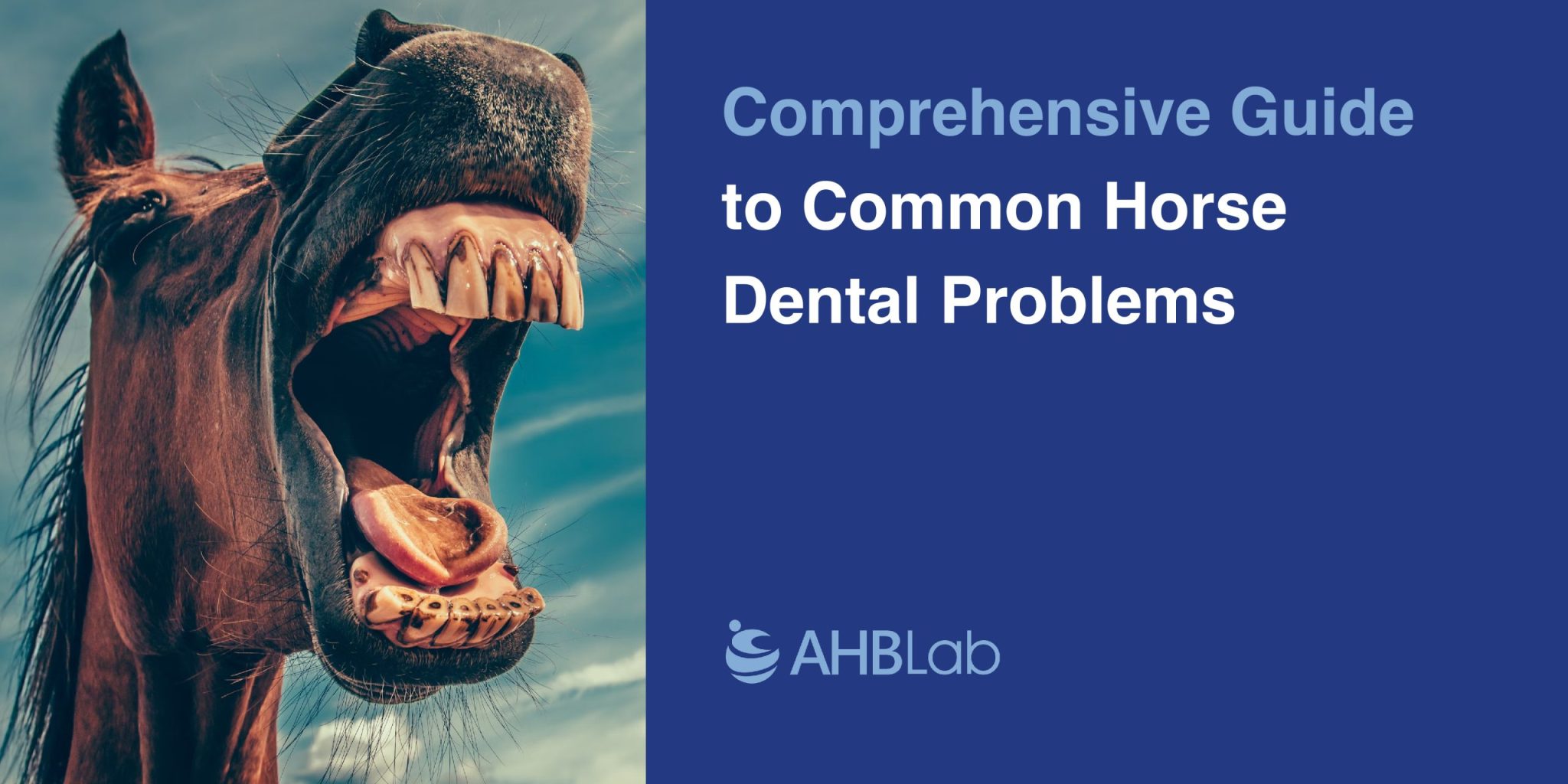
Proper dental care is vital for maintaining the overall health and well-being of horses. Horse dental issues can lead to a variety of complications, including pain, difficulty eating, and behavioral changes. In this article, we’ll explore the most common dental problems that horses face and how to identify and address them effectively.
Understanding the Importance of Equine Dental Health
Horse teeth are unique in that they continuously grow throughout their lives. This natural adaptation allows horses to grind down the fibrous materials in their diet. However, this continuous growth can also lead to a range of dental issues if not properly managed. Regular dental check-ups are essential to catch and treat problems early, ensuring your horse remains healthy and pain-free.
Common Dental Problems in Horses
1. Sharp Enamel Points
As horses chew, their teeth naturally wear down, but not always evenly. Over time, sharp enamel points can develop on the edges of the teeth, especially the cheek teeth. These sharp points can cause painful ulcers on the tongue and cheeks, leading to difficulty in chewing and eating.
2. Wave Mouth
Wave mouth occurs when the teeth wear unevenly, resulting in a wavy appearance of the dental arcades. This uneven wear can cause difficulty in grinding food, leading to inefficient digestion and potential weight loss. If left untreated, wave mouth can progress and become more challenging to manage.
3. Hooks and Ramps
Hooks and ramps are dental abnormalities where the front and back teeth develop unevenly. Hooks typically form when the upper teeth overgrow, while ramps occur when the lower teeth overgrow. Both conditions can restrict the movement of the jaw, making it difficult for the horse to chew properly.
4. Steps
Steps occur when a single tooth is longer than the adjacent teeth, disrupting the even grinding surface needed for effective chewing. This condition can lead to uneven wear on the opposing teeth and may cause discomfort and difficulty in processing food.
5. Broken or Fractured Teeth
Horses can suffer from broken or fractured teeth due to trauma, such as biting hard objects or experiencing an accident. Broken teeth can lead to pain, infection, and difficulty eating. If left untreated, the broken tooth may become infected, leading to more serious health issues.
6. Diastema (Gaps Between Teeth)
Diastema refers to abnormal gaps between the teeth, which can trap food and lead to gum inflammation, infections, and periodontal disease. This condition is particularly problematic in older horses and requires careful management to prevent further complications.
7. Periodontal Disease
Periodontal disease is a serious condition that affects the gums and the supporting structures of the teeth. It is often caused by the accumulation of food particles in diastemas, leading to infection, gum recession, and, ultimately, tooth loss. Early detection and treatment are crucial to prevent long-term damage.
8. Tooth Root Abscesses
Tooth root abscesses are painful infections that develop at the root of a tooth. They are often caused by fractures, periodontal disease, or trauma. Abscesses can lead to swelling, pain, and even sinus infections if left untreated. Surgical intervention is often necessary to resolve this condition.
9. Malocclusions
Malocclusions occur when the teeth do not align properly, leading to abnormal wear and potential discomfort. This misalignment can cause issues with chewing and may require corrective dental procedures to ensure the horse can eat comfortably.
10. Overgrown Teeth
In some cases, horses may develop overgrown teeth if their chewing patterns do not wear them down sufficiently. Overgrown teeth can interfere with proper chewing and digestion, leading to weight loss and other health issues. Regular dental check-ups can help prevent this condition from becoming severe.
11. Equine Odontoclastic Tooth Resorption and Hypercementosis (EOTRH)
EOTRH is a degenerative dental condition primarily affecting older horses, usually over the age of 15. The disease is characterized by the resorption of the roots of the incisors and canine teeth and the formation of excessive cementum on these teeth. As the disease progresses, it can lead to pain, infection, and even tooth loss.
Horses suffering from EOTRH may exhibit the following symptoms:
- Difficulty Eating: Due to pain, horses may drop food or be reluctant to eat hard items.
- Swollen or Receding Gums: The gums around the affected teeth may appear swollen or receded.
- Loose Teeth: As the disease progresses, the affected teeth may become loose.
- Visible Discharge: There may be a discharge from the gum line due to infection.
Diagnosis typically involves a thorough oral examination and radiographs to assess the extent of the disease. Unfortunately, there is no cure for EOTRH, and treatment often involves the extraction of the affected teeth to alleviate pain and prevent further complications.
Including EOTRH in the discussion of horse dental problems is crucial, especially for owners of older horses who are at higher risk for this condition. Regular dental check-ups and monitoring can help in early detection and management of EOTRH, ensuring better quality of life for the horse.
Signs Your Horse May Have Dental Problems
Recognizing the signs of dental issues in horses is crucial for early intervention. Some common signs include:
- Difficulty Eating: Horses may drop food, chew slowly, or refuse to eat.
- Weight Loss: Dental problems can lead to inefficient chewing and digestion, resulting in weight loss.
- Behavioral Changes: Horses in pain may exhibit signs of irritability, head shaking, or reluctance to be bridled.
- Bad Breath: Persistent bad breath may indicate an underlying dental issue.
- Excessive Drooling: Horses with dental pain may drool more than usual.
If you notice any of these signs, it’s essential to consult with an equine dentist for a thorough examination.
How an Equine Dentist Can Help
Regular dental care by a qualified equine dentist is essential for maintaining your horse’s oral health. Equine dentists use specialized tools to examine and treat dental issues. During a routine check-up, they can:
- Identify and Treat Sharp Points: Filing down sharp points to prevent ulcers.
- Correct Malocclusions: Addressing misaligned teeth to ensure proper chewing.
- Extract Problematic Teeth: Removing fractured or severely infected teeth to prevent further complications.
- Provide Ongoing Care: Regular check-ups to monitor and maintain dental health.
Preventing Dental Problems in Horses
Preventative care is the best way to ensure your horse’s teeth remain healthy. Here are some tips for preventing dental issues:
- Regular Dental Check-Ups: Schedule annual or bi-annual dental exams for your horse.
- Monitor Eating Habits: Pay attention to changes in eating behavior that may indicate dental problems.
- Provide a Balanced Diet: Ensure your horse’s diet promotes good dental health.
- Avoid Hard Objects: Prevent your horse from chewing on hard objects that could damage their teeth.
How Our AGRP® Ingredient Can Help with Horse Dental Problems
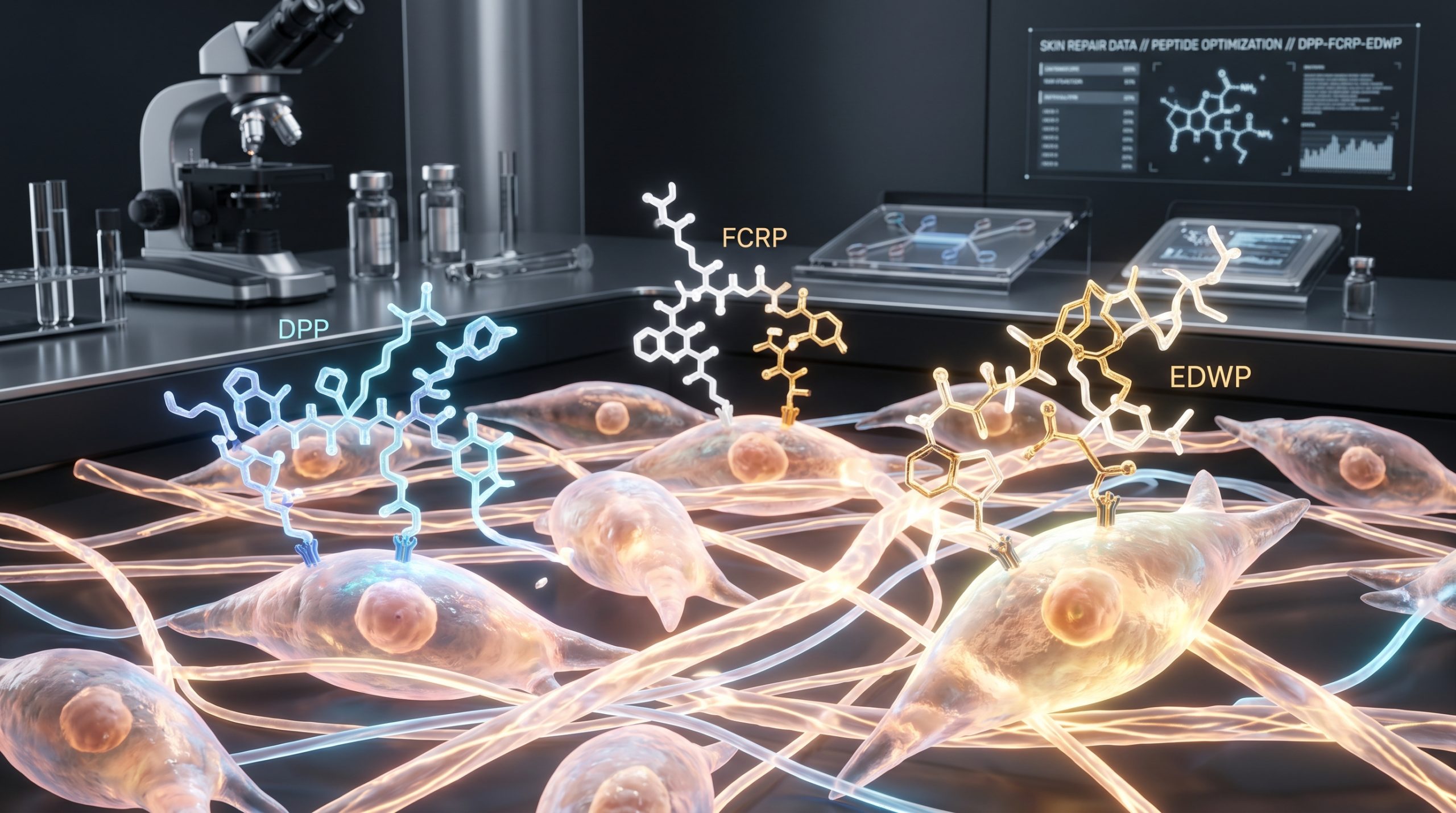
When addressing horse dental problems, it’s essential to look beyond just treating the symptoms. Our AGRP® ingredient offers a comprehensive solution that targets the underlying issues contributing to these dental conditions. Not only does AGRP® possess powerful anti-inflammatory properties, but it also plays a vital role in promoting tissue repair and overall oral health.
AGRP® stimulates the biosynthesis of collagen and fibronectin, crucial components for maintaining healthy gums and oral tissues. This helps in repairing and reinforcing the structures supporting the teeth, which is particularly beneficial for conditions like gingival recession and periodontal disease. Moreover, AGRP® promotes collagen synthesis, encouraging the regeneration of damaged tissues.
In addition, AGRP® supports the growth of oral epithelial cells, which is vital for healing oral wounds and protecting against further damage. Its ability to protect oral epithelial cells from free radical-induced damage further ensures that the oral tissues remain healthy and resilient.
The anti-inflammatory effects of AGRP® are also supported by its ability to inhibit inflammatory responses, as demonstrated in macrophage models (H2O2 and NO models). These properties, combined with its role in stimulating type I collagen production in chondrocytes, make AGRP® a comprehensive solution for managing and preventing the progression of dental problems in horses. By incorporating AGRP® into your horse’s dental care regimen, you can effectively address inflammation, promote healing, and support overall dental health, ensuring your horse stays comfortable and healthy.
Conclusion
Horse dental problems are common but manageable with regular care and attention. Understanding the various issues that can arise and knowing the signs of dental trouble will help you take proactive steps to ensure your horse’s oral health. With proper dental care, your horse can enjoy a pain-free life and maintain optimal health and performance.
By staying vigilant and scheduling regular dental check-ups, you can help prevent these issues from escalating and keep your horse happy and healthy for years to come.