


Introduction: The Quest for a Blood Substitute
In the 19th century, Theodore Gaillard Thomas, a renowned gynecologist in New York City, championed an unusual idea: transfusing milk as a substitute for blood. Despite initial trials, including one where cow’s milk was injected into a patient with severe uterine bleeding, the practice was short-lived due to its risks and complications. The search for a safer, more effective blood substitute, however, has continued ever since.
Early Attempts and the Need for Innovation
During the late 1800s, blood transfusion was a risky endeavor due to the lack of knowledge about blood types. This often led to hemolytic shock, where the immune system attacked the transfused cells. Seeking a less dangerous alternative, doctors experimented with various substances, including milk, but these efforts were soon replaced by saline solutions as a temporary measure.
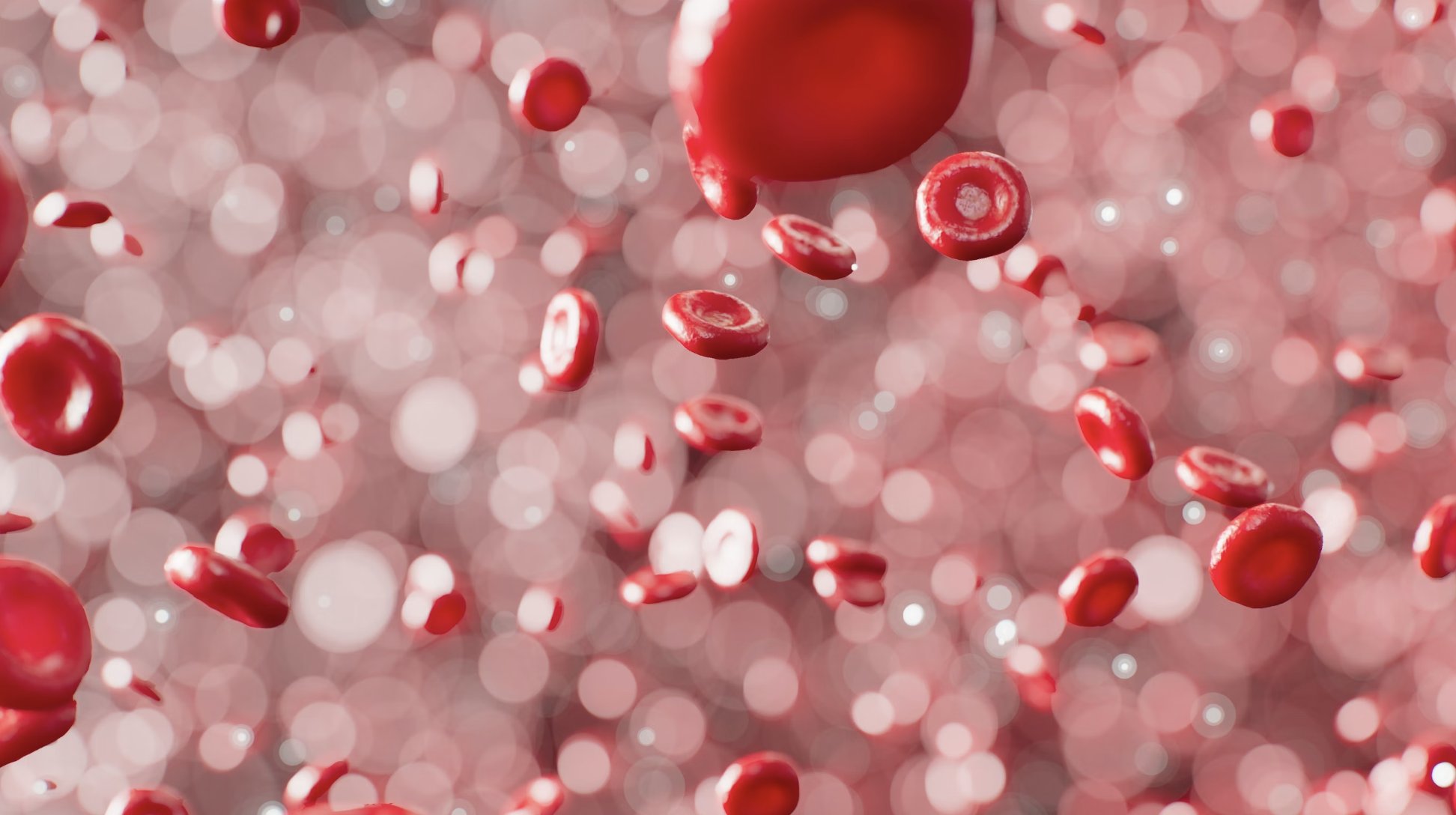
The need for a reliable blood substitute remains crucial. Severe blood loss, leading to hemorrhagic shock, claims approximately 20,000 lives annually in the U.S. and 2 million globally. The limitations of donated blood, including a shelf life of only 42 days and insufficient supply, especially of universal donor type O-negative, highlight the urgency for an alternative.
ErythroMer: A New Hope
In a Baltimore laboratory, a white rabbit represents the latest hope for a blood substitute. ErythroMer, developed by Dr. Allan Doctor and his team at the University of Maryland School of Medicine, is an experimental blood substitute made from recycled human hemoglobin. Encapsulated in a membrane to mimic a tiny cell, ErythroMer has shown promising results in animal tests, maintaining stable heart rates and blood pressure.
Dr. Doctor advocates for hemoglobin-based oxygen carriers (HBOCs) like ErythroMer. The substitute is designed to be shelf-stable for years, reconstitutable with saline, and universally compatible due to the absence of red blood cell surface proteins that cause mismatches. In emergency situations, such as on battlefields or in rural areas with long ambulance wait times, ErythroMer could provide a vital bridge until the patient reaches a hospital.
The Challenges of Developing a Blood Substitute
The development of blood substitutes has faced significant challenges. Early HBOCs, which used free hemoglobin without a membrane, were toxic and caused severe side effects such as hypertension and heart attacks. This was due to the hemoglobin’s interaction with nitric oxide, a gas that helps dilate blood vessels. Unencapsulated hemoglobin often scavenged too much nitric oxide, leading to dangerous vasoconstriction.
The DARPA project aims to overcome these hurdles by developing synthetic blood components, including ErythroMer, synthetic platelets, and freeze-dried plasma. ErythroMer’s design closely mimics natural red blood cells, with a sophisticated membrane that regulates oxygen capture and release, thereby avoiding the toxicity issues of earlier HBOCs.
The Road Ahead
Despite the promising preclinical results, no human blood substitute is yet commercially available in the U.S. ErythroMer remains in animal testing, but its potential has garnered significant interest and funding, including a $46 million grant from DARPA to further its development.
Other efforts to package hemoglobin inside lipids are also underway. In Japan, a team led by chemist Hiromi Sakai is developing hemoglobin vesicles (HbVs), which have shown encouraging initial safety results in human trials. Similarly, companies like Hemarina are exploring unique approaches, such as using free hemoglobin from marine worms.
Overcoming Skepticism and Moving Forward
The journey to a viable blood substitute has been fraught with setbacks. Previous HBOCs faced criticism for their side effects, leading to halted trials and bankruptcies. Hemopure, an HBOC derived from cow hemoglobin, faced significant hurdles after a meta-analysis in 2008 raised concerns about its safety. Yet, some medical professionals continue to use Hemopure in specific cases, such as for patients who refuse transfusions for religious reasons.
Dr. Doctor and his team remain optimistic about ErythroMer’s potential. By closely mimicking the natural function of red blood cells and encapsulating hemoglobin within a protective membrane, they hope to avoid past pitfalls and provide a safe, effective alternative to donated blood.
Conclusion: The Future of Blood Substitutes
The development of a reliable blood substitute is an ongoing challenge, but the need is undeniable. With continued research and funding, innovations like ErythroMer could revolutionize emergency medicine, providing a stable, universal solution to severe blood loss. As the scientific community pushes forward, the dream of a safe, effective blood substitute may soon become a reality, saving countless lives in the process.
At AHB Lab, we’re not just leaders in peptide synthesis; we’re at the heart of pioneering biotechnology exploration. Our commitment extends beyond mastering peptide production to drive innovation across the biotech landscape. By aligning with the latest scientific research and technological advancements, we are dedicated to spearheading developments that enhance our understanding of peptides and pave the way for revolutionary biotech applications. In reporting groundbreaking advancements like ErythroMer, we highlight our role in shaping the future of biotechnology, contributing to solutions that could revolutionize emergency medicine and beyond. Join our quest as we forge new paths in science with our unwavering commitment to excellence and innovation.


