The oral mucosa, which is the mouth’s soft tissue lining, is essential in shielding our oral cavity from outside invaders such as bacteria, viruses, and physical injuries. In addition to pain and discomfort, injury to this sensitive tissue can result in several oral health problems. For many years, oral mucosa repair has been treated primarily with conventional methods; however, new developments in peptide therapy have created exciting new options. Let us examine the distinctions between peptides and traditional therapies to repair oral mucosa, contrasting their efficacy, security, and durability.
Recognising Oral Mucosa and Typical Problems
Before exploring therapy alternatives, it’s critical to comprehend the role played by the oral mucosa and the various conditions that can impact it. The inner mouth is protected from dangerous substances by the oral mucosa. It comprises multiple layers, such as the epithelium and the connective tissue underneath, home to glands, blood vessels, and nerves.
Many factors, including physical trauma (such as biting the cheek), chemical irritants (like tobacco), infections, and autoimmune disorders, can cause damage to the oral mucosa. Oral ulcers, gingivitis, periodontal disease, and mucositis are common problems that are frequently observed in cancer patients receiving chemotherapy.
Traditional Therapies for Dental Mucosa Restoration
For many years, the standard of care for oral mucosa healing has been provided by traditional procedures. The main goals of these treatments are to reduce symptoms, encourage healing, and stop additional harm. Among the most famous conventional therapies to repair oral mucosa are:
-
Antimicrobial Mouthwashes
Doctors frequently prescribe antiseptic mouthwashes like chlorhexidine to lessen the amount of bacteria in the mouth and stop infections. Keeping the area clean and reducing the chance of subsequent infections, these mouthwashes can aid in managing disorders like gingivitis and mild oral ulcers.
-
Steroid Topical Applications
Topical corticosteroids treat oral mucosal lesions by reducing pain and inflammation. They work very well for treating severe aphthous stomatitis and oral lichen planus. Steroids reduce inflammation and expedite the healing process by inhibiting the immune response.
-
Coatings and Gels for Barriers
To prevent further irritation and aid in healing, barrier gels, and coatings, such as those containing carbomer or hyaluronic acid, are applied directly to the affected area. These products create a barrier that keeps food, saliva, and other irritants from interfering with the oral mucosa’s ability to recover.
-
Pain Relievers
Acetaminophen and ibuprofen are two popular over-the-counter medications used to treat pain brought on by injury to the oral mucosa. Although these drugs do not directly aid in healing, they relieve symptoms, making it easier for patients to speak, eat, and go about their everyday lives.
-
Supplements for Nutrition
In some situations, vitamins A, C, and E supplements are advised to assist the body’s natural healing processes. These vitamins are well-known for helping to keep mucous membranes and skin healthy. They can also help to restore damaged oral mucosa.
Peptide Therapy’s Progress in Oral Mucosa Restoration
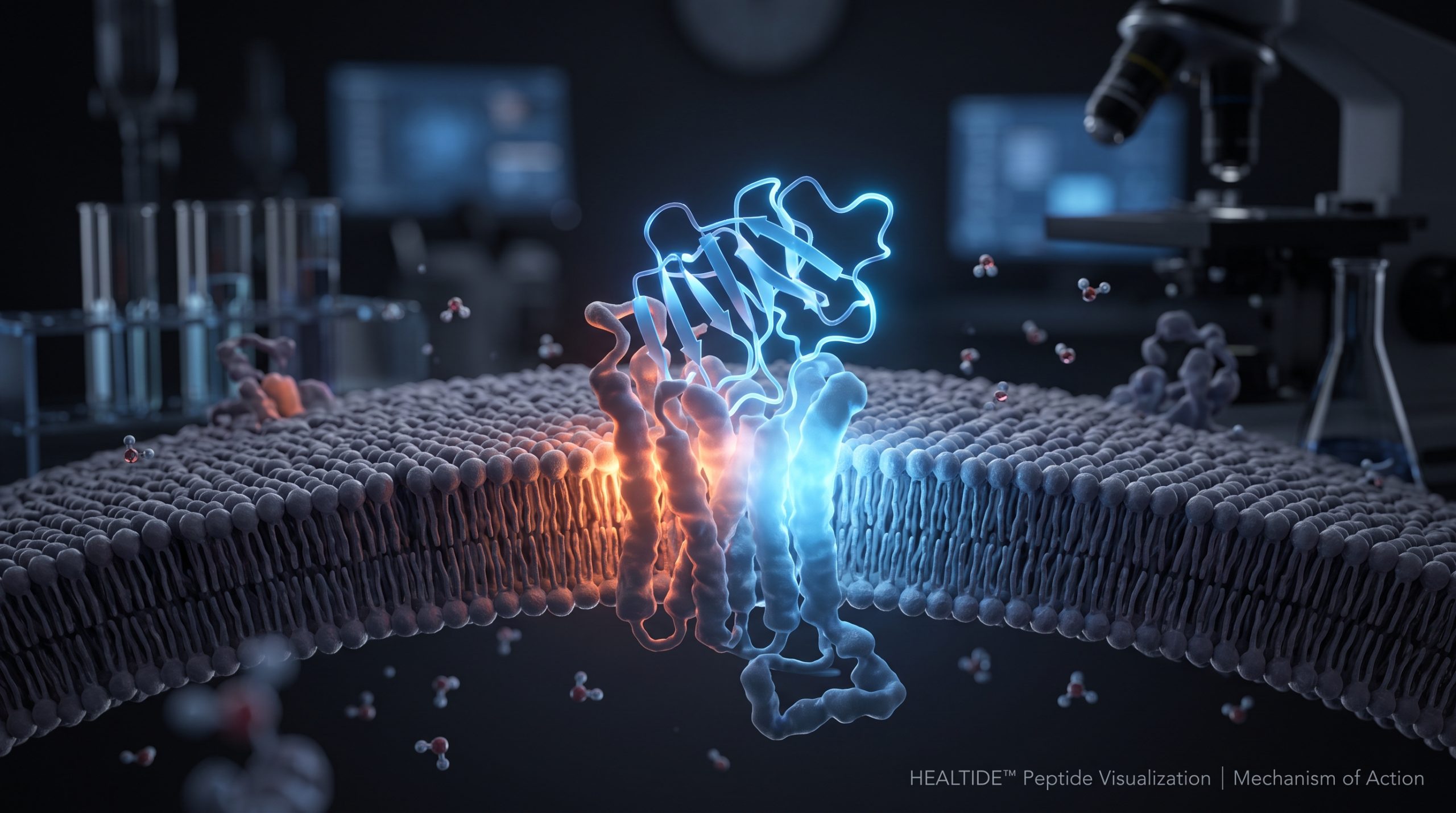
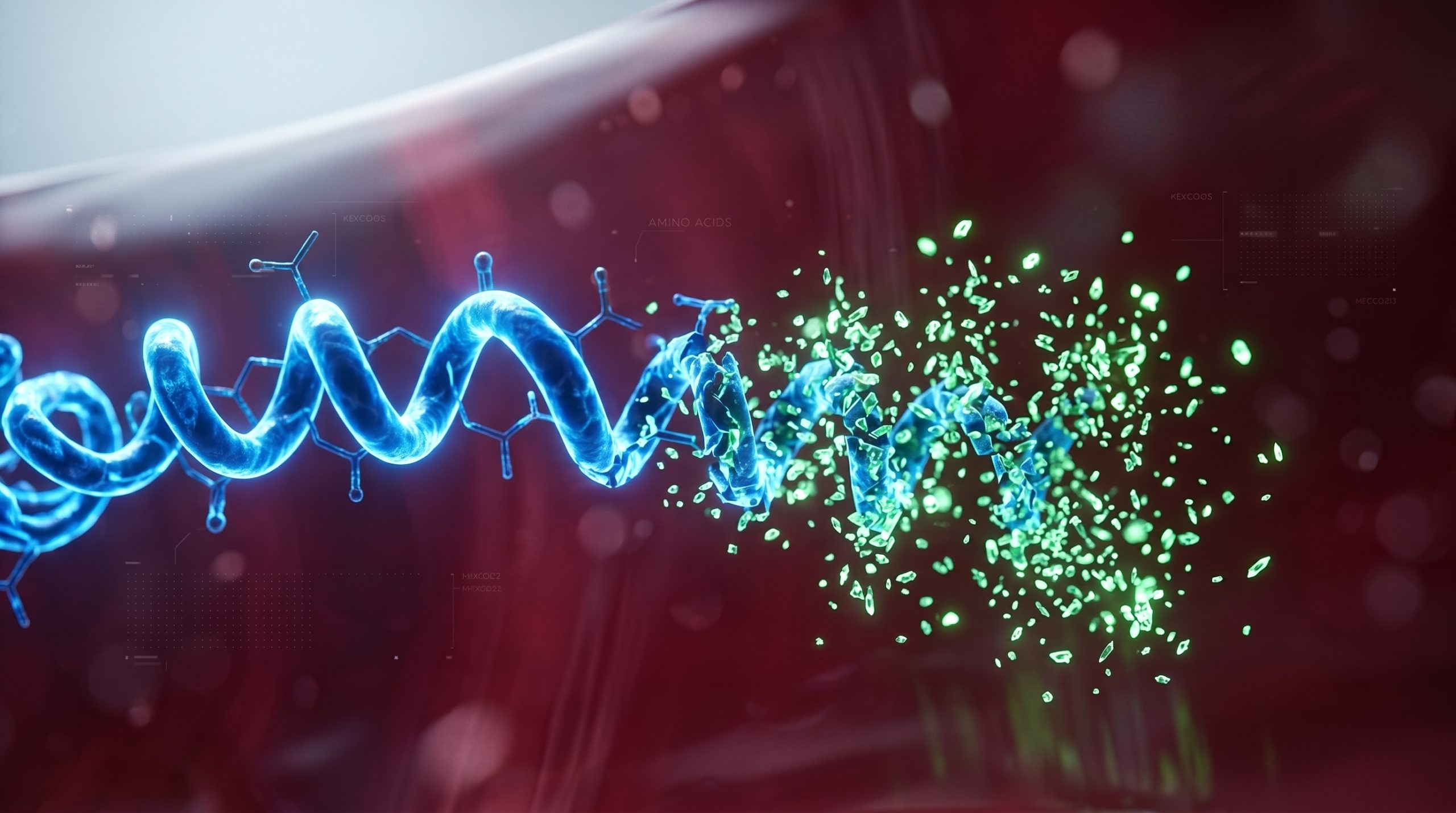
Short sequences of amino acids called peptides are essential for many biological functions, such as tissue regeneration and repair. Specific dental care peptides have been developed in response to recent developments in peptide treatment to facilitate oral mucosa repair. Compared to conventional therapies, these peptides have several benefits, such as tailored activity, improved healing, and low side effects.
-
Method of Action
Peptides function by promoting the body’s innate cellular repair mechanisms. Collagen, elastin, and other vital proteins necessary for tissue repair can be produced more readily by them. Peptides also can improve cell migration, lower inflammation, and speed up cell turnover, all of which help the oral mucosa recover more quickly and efficiently.
-
Particular Peptides for Repairing the Oral Mucosa
The repair of the oral mucosa has demonstrated promise for several peptides. For instance, the synthetic peptide palmitoyl pentapeptide-4 is well known for its capacity to promote collagen formation and enhance wound healing. Tetrapeptide-21, an additional peptide, has also been demonstrated to lessen inflammation and encourage tissue regeneration.
These peptides are frequently added to topical gels, lotions, or mouthwashes so the afflicted area can be applied directly. The dental care peptide is guaranteed to reach the injured tissue through this tailored distribution, enabling them to work more effectively.
Benefits Compared to Conventional Therapy
Peptides have several benefits over conventional therapies for restoring the oral mucosa. One of their key advantages is their capacity to encourage spontaneous healing without harsh chemicals or immunosuppressive medications like corticosteroids. This makes peptide therapy a safer option, especially for people who are prone to side effects from conventional therapies or have delicate oral tissues. How Oral Peptides Support the Healing Process in Dental Procedures is a key aspect of this benefit, highlighting the gentle and effective nature of peptide treatment.
Peptides also have the benefit of tailored action. Peptides selectively target the injured tissue, reducing the possibility of upsetting the delicate balance of good bacteria in the mouth, in contrast to antiseptic mouthwashes, which have the potential to influence the entire oral microbiota. This makes them a preferred choice for those seeking solutions from a reputable dental care peptide supplier.
Comparing Safety and Effectiveness
It’s important to weigh the pros and downsides of peptides against conventional therapies for oral mucosa restoration.
-
Efficiency
Conventional therapies are useful for controlling symptoms and avoiding infections, but they might not deal with the underlying issues leading to oral mucosa damage. For instance, topical steroids and antiseptic mouthwashes can lessen pain and inflammation but do not actively encourage tissue regeneration.
Conversely, peptides are made to support the body’s healing mechanisms. Peptides, supplied by dental care peptide suppliers in Europe, can result in a more thorough and long-lasting oral mucosa healing by promoting collagen synthesis and lowering inflammation at the cellular level. Peptides have been demonstrated in clinical trials to shorten healing times, lessen the severity of oral lesions, and enhance oral health in general.
-
Safety
Safety is an important factor When selecting a therapy for oral mucosa restoration. Some adverse effects of traditional treatments, such as increased susceptibility to infections, taste changes, and dry mouth, might be brought on by topical steroids and antimicrobial mouthwashes.
There is usually little chance of adverse consequences with peptide treatment. Peptides are less likely to result in adverse reactions because they are found naturally in the body. Furthermore, there are no long-term side effects from peptide use compared to excessive antiseptic use or chronic steroid use. A reliable dental care peptide supplier can provide peptides that minimize these risks, ensuring safe and effective treatment.
Conclusion
Regarding oral mucosa repair, both traditional treatments and peptides offer valuable benefits. Conventional treatments are effective for immediate relief of acute symptoms, while peptide therapy provides a more targeted and long-term solution. Peptides promote faster, more effective healing with fewer side effects, making them a safer option for oral health. As research progresses, peptides become increasingly essential in oral mucosa repair and dental care. If you’re dealing with chronic oral mucosa issues or want a proactive approach to oral health, peptide therapy could be transformative. Always consult with a healthcare professional to find the best solution for your needs. For high-quality peptide-based products, trust AHB LAB to support your oral health journey.