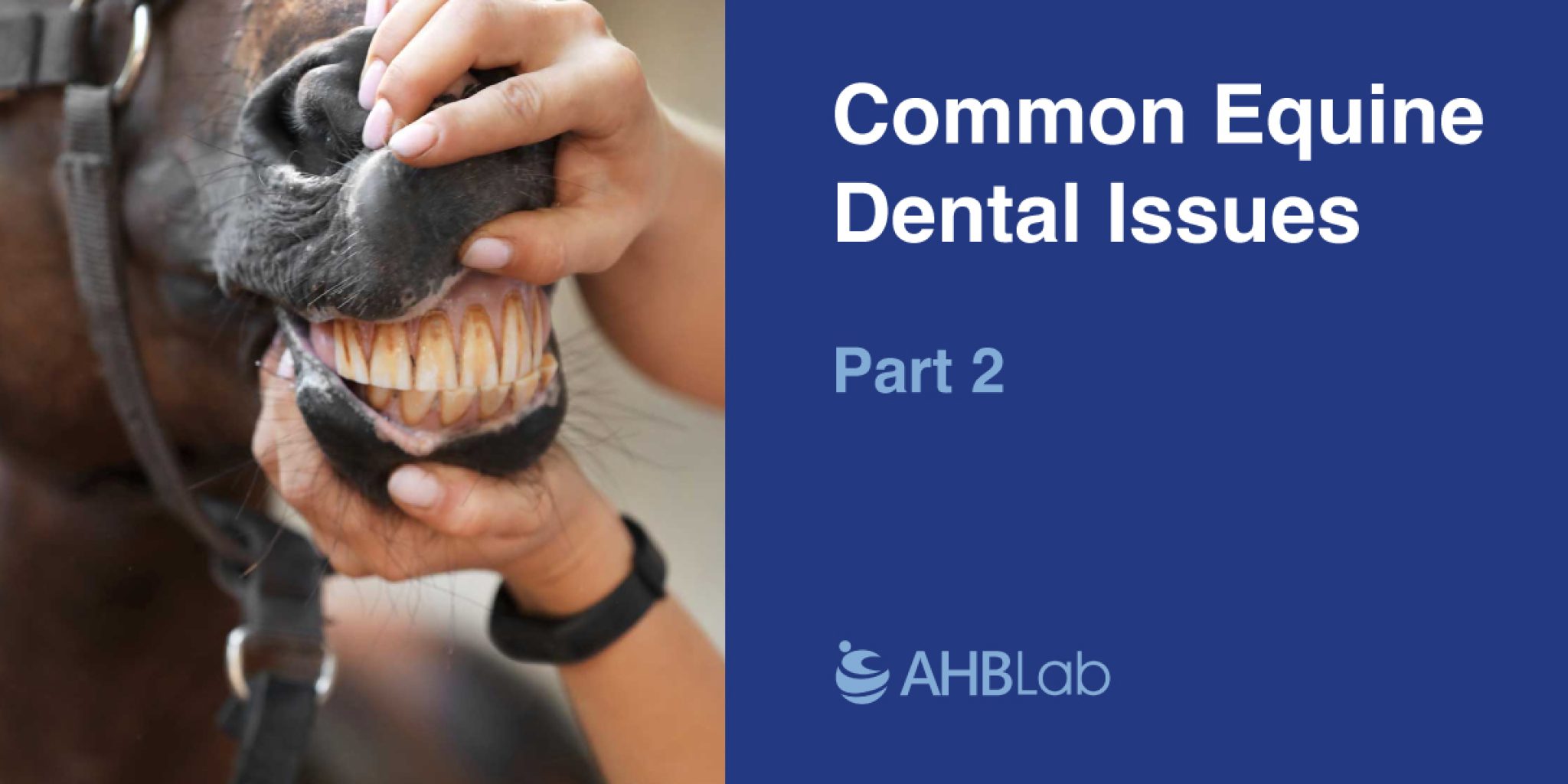
In the previous article, we discussed a few common equine dental issues, paying attention also to equine dentistry. Now, we shall go further into three particular dental problems, namely: sharp enamel points, wave mouth, and hooks and ramps. Indeed, knowing how such situations arise, how they can be dealt with, and particularly, how they can be avoided, should enhance the health ofay horse.
1. Sharp Enamel Points
How It Forms:
While chewing, a healthy horse will wear its teeth down slowly over time due to the coarse nature of the food being chewed. Unfortunately, this is not always consistently distributed. Horses don’t have upper and lower jaws evenly, thus certain areas on teeth will wear out more than the rest. Gradually, this leads to the development of sharp enamel points especially at that on the cheek teeth due to this uneven wear. Such sharp points can damage tissues, such as the tongue and cheek mucosa, and lead to the development of painful lesions and oral discomfort, which hampers the eating process.
How To Diagnose It:
For treating painful enamel points, the best remedy is floating or ‘filing’ more often. This is a process where a doctor or equine dental technician files the hard enamel edges and sharp points on the horses’ teeth using special equipment. This is considered safe as sedation can be administered to calm the horse down during the given procedure for the horse and the professional’s safety.
How To Treat It:
Sharp cutting points of enamel can be prevented by ensuring that dental check-ups are routinely observed. Environmental parameters also play an important role in the provision of this service, i.e., horses should have a dental evaluation on a yearly basis or twice a year depending on the age and/or health status of the horse. These horse dentist appointments help in mitigating the pain a horse might feel by exposing its teeth that have increased sharpness even before the problems commence. In addition, a roughage diet is preferred over concentrates for feeding so as to facilitate the natural wear of the horse’s teeth.
2.Wave Mouth
Diagnosis:
The wave mouth develops as a result of irregular wear and tear on the horse’s teeth, which develops a wavy outline on the dental arch. Fedom dental malalignment, a constitutional tendency, or even unprofessional and/or infrequent dental treatment are common causes of this kind of wear. Such horses cannot grind their food so well, which can result in poor digestion, and eventually they may be underweight due to poor nutrient absorption,
Treatment:
The necessary relief of acute discomfort requires a thorough examination and diagnosis of the horse within the treatment of wave and in a majority of cases multi-step procedure “floating” horses filthy and disease-prone teeth. The aim is to eliminate the high spots of the teeth sequentially to normalize the level of the excess dental high snow cover. In extreme cases for example when the usual method is applicable Cut Bone External Socket Treatment then this procedure will need to be spaced over several treatments to prevent excessive correction bending the teeth
Prevention:
Fortunately, most of the help to avoid this dental wolf was provided early on, with regular visits to the dentist. Adherence to this principle should be coupled with a thorough inspection of horse teeth in order to correct any deviations from the normal dental wear pattern immediately. Early corrective measures are important in preventing the further development of the wave. Providing horses with proper feeds and forages based on their teeth can also help to avoid the occurrence of the wave mouth.
3. Hooks and Ramps
How It Forms:
Hooks and ramps occur when the horse’s front or back teeth irregularly develop. Hooks: This is where the upper front teeth are growing too longRamps: Where one or more of lower back teeth overlap and overgrow These dental issues can inhibit the horse’s ability to move its jaw, which results in problems with mastication and digestion of food. If left unattended, misalignment in the teeth can exacerbate over time and cause more serious dental as well digestive problems.
How to Treat It:
Hook/Ramp — dental floating is the treatment for hooks and ramps; they are sharp enamel points!, wave mouth Through the aid of specialized instruments, a veterinary professional can decrease overgrowths to restore full range of motion back in the jaw for your horse. In more extreme cases, gradual reduction may be needed over several sessions to avoid compromising the integrity of the teeth.
How to Prevent It:
Preventing hooks and ramps can be achieved through regular dental examinations. By catching this wear early, it can be minimized before these abnormalities develop. Horses that are fed a variety of feeds including lots of forage will wear their teeth more naturally due to the increased amount they chew.
Final Thoughts on Equine Dental Issues
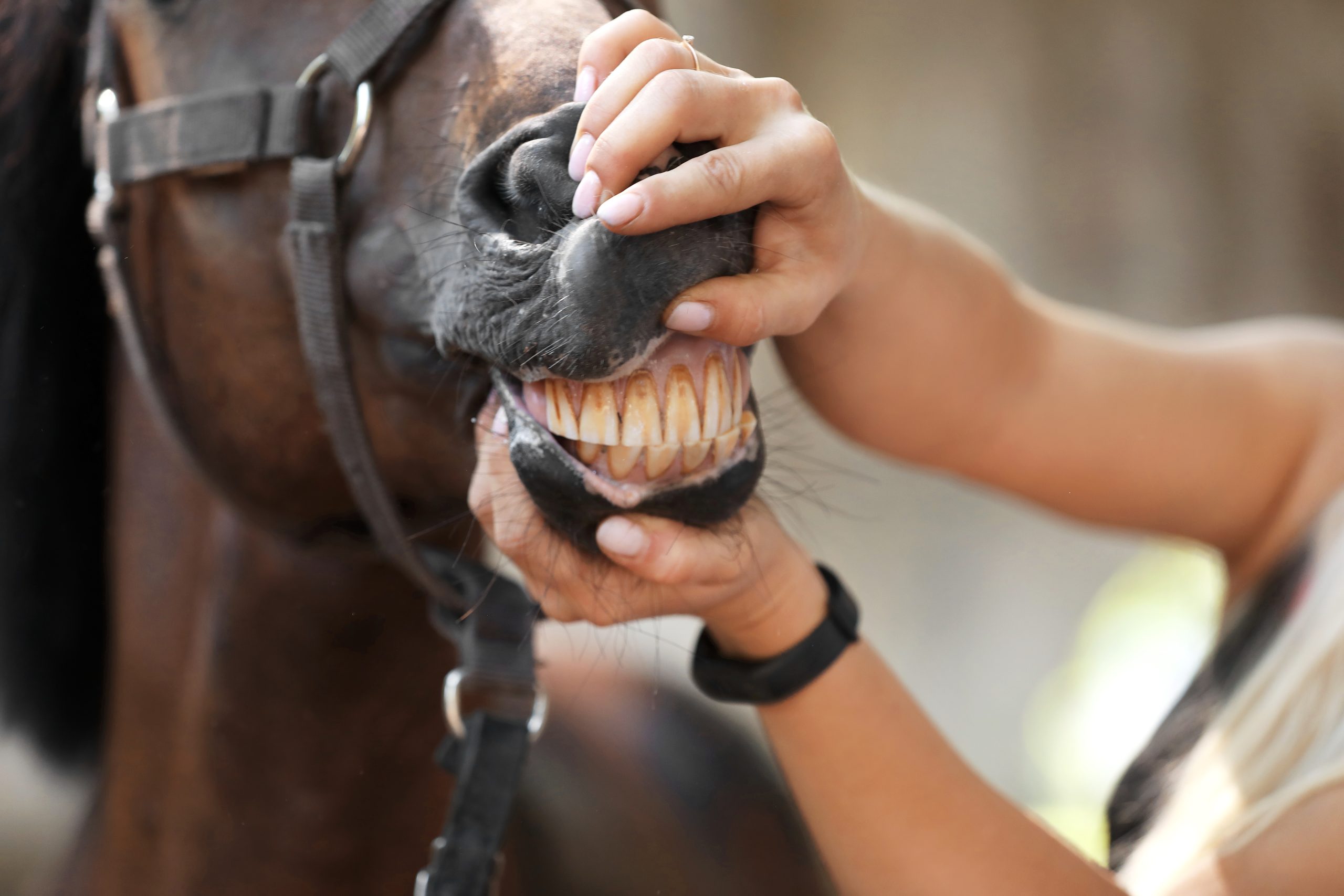
Equine Dental health is something that often gets overlooked in equines but plays a very important role when it comes to general horse well-being. Hand in hand with this, and a suitably complex reason to discuss separately because all have different implications for the horse from mild attributable factors (such as bars having too much forward plain) up to completely unacceptable conditions like sharp enamel points, wave mouth or hooks & ramps. Early detection and lifelong dental care are the keys to managing these problems. Through regular dental exams, proper nutrition and prompt treatment when you notice signs of discomfort. Regular dental exams and proper nutrition may also help. Observant about signs of discomfort and proactive in addressing them may help you keep your horse healthy and happy.
Preventive care is always better than curative. Be observant concerning your horse’s dental health, and you will save them from pain and possible complications later on.
AGRP® and Equine Dental Issues
When addressing horse dental problems, the solution does not stop at the symptomatic level. AGRP® is a therapeutic answer against the root causes that generally determine such kinds of pathologies and exerts its action thanks to its anti-inflammatory action. This is very important not only for inflammation reduction but also for tissue repair and for good oral health.
AGRP® works by stimulating production of collagen and fibronectin, which form the main building blocks for healthy gums and oral tissues. That helps to reinforce structures that support teeth and assists with such problems as gum recession or periodontal disease. Also, due to stimulation of collagen production, AGRP® helps in the generation of tissues.
Moreover, AGRP® also stimulates the proliferation of oral epithelial cells involved in wound healing and protection from further destruction. It even protects these cells against free radical injury, thus allowing the tissues to stay strong and healthy.
The anti-inflammatory action of AGRP is further underpinned by its inflammation-inhibiting activity, which has been recorded in studies utilizing macrophage models. Moreover, by inducing production of type I collagen in joint cartilage, AGRP exerts a broad role in treating and preventing dentistry problems in horses. In this sense, adding AGRP into your horse’s dental health plan will help with the reduction in inflammation, the acceleration of healing, and the protection of long-term dental health, thus keeping it comfortable and happy.