

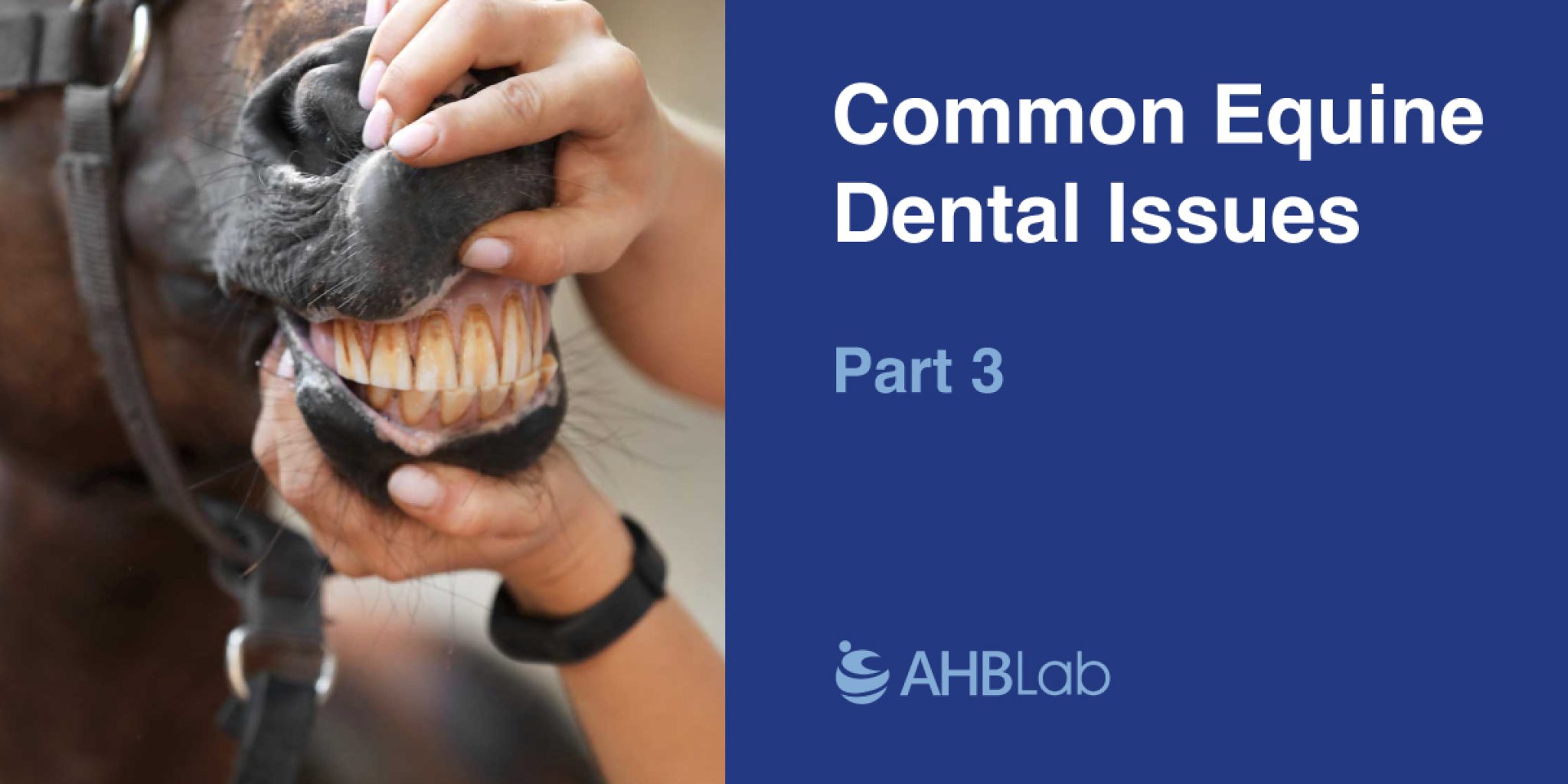
Welcome to Part 3 in our series about Common Equine Dental Issues. If you missed earlier discussions, please take this opportunity to catch up with Parts 1 and Part 2 for a full understanding of other prevalent dental problems in horses and their overall implications on the horse’s health.
This article will cover three common equine dental issues: steps, broken or fractured teeth, and diastema. These conditions can have a significant impact on your horse’s comfort and ability to process food, making routine dental care one of the most critical services you should be providing to your horses.
1. Steps
A “step” is when one tooth is longer than others, which provides an uneven grinding surface when it should ideally be level for proper chewing. This may cause discomfort and further wear of the opposing teeth.
Causes and Effects:
Steps are usually the result of an improper alignment of the teeth or uneven wear. When one tooth develops and grows to be longer than the others surrounding it, it can prematurely wear into an opposing tooth unevenly. Difficulty in chewing, pain, and resultant malnutrition, if left untreated may be encountered.
Treatment:
Steps can be identified and treated through regular dental check-ups. Equine dentists will file down the overgrown tooth, realigning the grinding surface. Routine dental maintenance prevents steps from happening again and allows the teeth to wear evenly.
2. Fractured/Broken Teeth
Trauma, such as biting down on a hard object or experiencing an accident, can cause horses to have broken or fractured teeth. Broken teeth can be very painful, may lead to infection, and create eating difficulties.
Symptoms:
Broken or fractured teeth are usually painful and demonstrate trouble eating, drooling, halitosis, or swelling of the jaw. Infection from a broken tooth could result in serious complications if left untreated quickly.
Treatment:
Treatment varies with the severity of the fracture: minor cases may involve merely smoothing of the tooth, whereas severe cases require extraction or possibly root canal. Obviously, this requires immediate veterinary attention to eliminate pain, to prevent infection, and to prevent further damage of the mouth.
3. Diastema (Gaps Between Teeth)
Diastema-an abnormal gap between the teeth where food may trap and cause gum inflammation, infections, and periodontal disease in the older horse.
Symptoms and Complications:
Diastema horses have a hard time eating, dropping partially chewed food, and often exhibit bad breath. In case food stuck in the spaces causes irritation to the gum, this may finally result in the development of infections into periodontal disease over some time.
Treatment:
Diastema management involves regular cleaning in order to remove food that may be trapped in the gap. Sometimes, a veterinarian may slightly widen the gap so food will not build up there. If the gum disease has already taken hold, additional periodontal treatments may be required. Regular dental examination can provide early detection to prevent the condition from getting worse.
Prevention and Routine Care
Such problems as steps, broken teeth, and diastema could be prevented due to main cause-regular dental care. A routine dental float will keep teeth aligned and prevent overgrowth. Early detection of dental problems-such as noticing a change in eating habits-can avoid severe complications later on.
By keeping you proactive with your horse’s dental care, it will ensure they remain comfortable and healthy to perform to their fullest capacity.
AGRP® and Equine Dental Health
Most equine dental problems are usually much more involved than symptom treatment. AGRP therapeutic solution targets the root causes of common dental pathologies in horses by way of powerful anti-inflammatory properties, which provide symptomatic relief. This is important not only for lessening the inflammation but also in allowing tissue repair and overall oral health.
AGRP® enhances the synthesis of collagen and fibronectin-major structural constituents of healthy gingiva and oral tissues. Therefore, it reinforces their structure and contributes to the cure of pathology, such as gingival recessions and periodontal disease. Its action to improve collagen synthesis promotes the repair of tissues, thus helping in maintaining oral health for a long time.
Besides tissue repair, AGRP ® stimulates the proliferation of oral epithelium, crucial in wound-healing and further protection of oral tissues. It even protects these cells from free radical damage, enabling the tissues to stay strong and healthy.
Further evidence of anti-inflammatory activity includes an inflammation-inhibiting action that has been demonstrated in studies using macrophage models. AGRP® also induces the production of type I collagen in joint cartilage. Benefits now extend beyond oral health and broadened into general dental care. The addition of AGRP® to your horse’s dental routine will help decrease inflammation, quicken healing, and protect against future dental issues with the intent of keeping your horse comfortable and happy for the long term.


