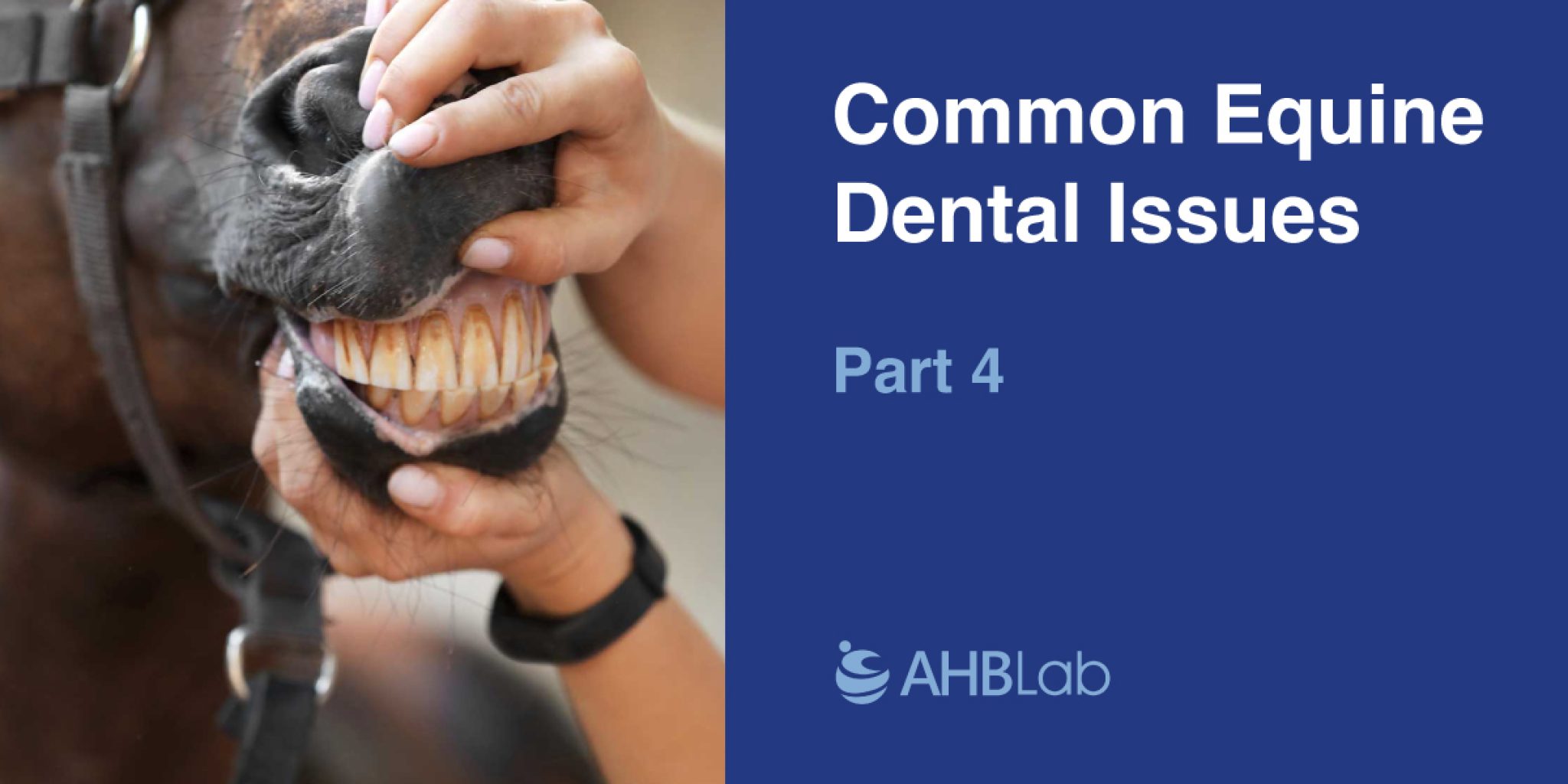
Throughout Parts 1-3 of this series, we have discussed a large number of the common equine dental problems and their implications on horse health and performance. In Part 4, we will address in greater detail four of the more advanced equine dental issues: Periodontal Disease, Tooth Root Abscesses, Malocclusions, and Overgrown Teeth. If unaddressed, each of these can lead to some very grave negative effects on your horse’s health and comfort levels. Understanding how to identify and treat these issues is crucial in the delivery of the best care to your horse.
7. Periodontal Disease
Periodontal disease is one of the gravest dental disorders in horses. The gums and supporting apparatus of the teeth are involved. Food commonly gets trapped into diastemas, which is a gap between two teeth, often causing bacterial invasion. Prolonged periodontal disease may cause recession of gums loosening of teeth, and even tooth loss.
Symptoms of Periodontal Disease:
- Bad breath
- Swollen, red, or receding gums
- Difficulty feeding or showing reluctance to the bit
- Loose teeth or space between adjacent teeth can be noticed
Treatment:
Must be identified as soon as possible. The usual treatment involves removal of the interposed pieces of food along with irrigation of the areas around it, and antibiotics in case of infection. In extreme cases, removal of the affected tooth could prevent further decline.
Prevention:
Regular dental visits with routine cleaning will help prevent periodontal disease. If diastemas are present, your veterinarian may take precautions to prevent lodging of food and thus reduce the risk of infection.
8. Abscesses of the Tooth Roots
Tooth root abscesses are painful infections that accumulate around the base of a tooth. Most of them are caused by fractures of the teeth, trauma, and periodontal disease. They can be quite painful for your horse. If abscesses aren’t treated, swelling could lead to sinus infection and further complications which may involve surgery.
Symptoms of Tooth Root Abscesses:
- Swelling in the jaw or face
- Bad odor and nasal discharge, where the involvement of sinuses is involved
- Losing appetite or denial towards food due to sensitivity
- With drawing yourself or manifestation of uneasiness in general
Treatment:
Primarily, the course of treatment embraces the use of antibiotics to down the infection. But in most of the cases, treatment using surgical procedure is necessary, which involves the tooth that is under attack or sucking of the abscess. The treatment must be done as early as possible prior to the spread of the infection to reduce the pain further.
9. Malocclusions
Malocclusions are a condition wherein the teeth of the horse do not fit well together; therefore, it leads to uneven wear and may be painful for the horse. Improperly aligned teeth contribute to poor chewing and could give rise to other serious dental conditions such as the development of hooks, overgrowth of some teeth, or sharp pointed enamel.
Common Symptoms of Malocclusions:
- Difficulty in Chewing/dropping food
- Asymmetrical wear and tear of teeth
- Weight loss because of poor digestion
- Resistance to the bit/head tossing
Treatment:
Correction of malocclusions can be made by dental floating procedures that balance the teeth and help them come into proper alignment. Your veterinarian or equine dentist may need to grind uneven surfaces or, in more serious situations, remove teeth altogether to allow proper alignment of the teeth.
Prevention:
Dental examinations on a regular basis are necessary to evaluate tooth alignment and wear. This permits the discovery of malocclusion early in the course of the disease when minor adjustments in alignment can be done to prevent the development of larger problems.
10. Overgrown Teeth
Overgrown teeth happen when there is not enough wear and tear of the horse’s teeth. Overgrown teeth may hinder horses from properly chewing their food. This is common in aged horses or any horse with malocclusions, which makes some of its teeth grow at unusual rates. This may lead to quidding, causing food to fall out during chewing. It causes weight loss and other complications that affect the horse’s health.
Symptoms of Overgrown Teeth:
- Visible overgrowth in the teeth, often with sharp edges or points
- Dropping or spitting out partially chewed food
- Weight loss, or inability to hold weight
- Poor performance under saddle due to discomfort
Treatment:
A regular dental floatation prevents overgrowth of the teeth. In some severe cases, more serious dental work is required to reshape teeth and restore normal chewing.
Prevention:
Overgrown teeth are better prevented by regular dental care. Equines should be subjected to periodic dental checking to find out the problem that may arise before it gets worse.
Why Regular Dental Exams Are Important
Like the conditions we have explored thus far in this series, early detection and routine care are really important in preventing serious complications. Horses often don’t act like they’re in any dental pain until a problem is well and truly out of hand, so regular dental exams are really the foundation of horse dentistry.
Benefits of Regular Dental Care:
- Preventative Care: The small issues of uneven wear or minor infections prevent larger painful problems from setting in later on.
- Improved Nutrition: Horses use their teeth to effectively chew their feed and absorb the nutrients. Poor dental health negatively impacts horses’ general well-being.
- Enhanced Comfort: You will make sure that your horse is always free from pain either while eating or under the saddle by early enough identification and treatment of dental problems.
Conclusion
Part 4 explains many of the more advanced dental problems a horse can have, from periodontal disease to an overgrowth of teeth. Each condition poses a significant threat to your horse’s health if left unaddressed, so regular dental care remains essential.
How our AGRP Ingredient Helps Horse Dental Issues
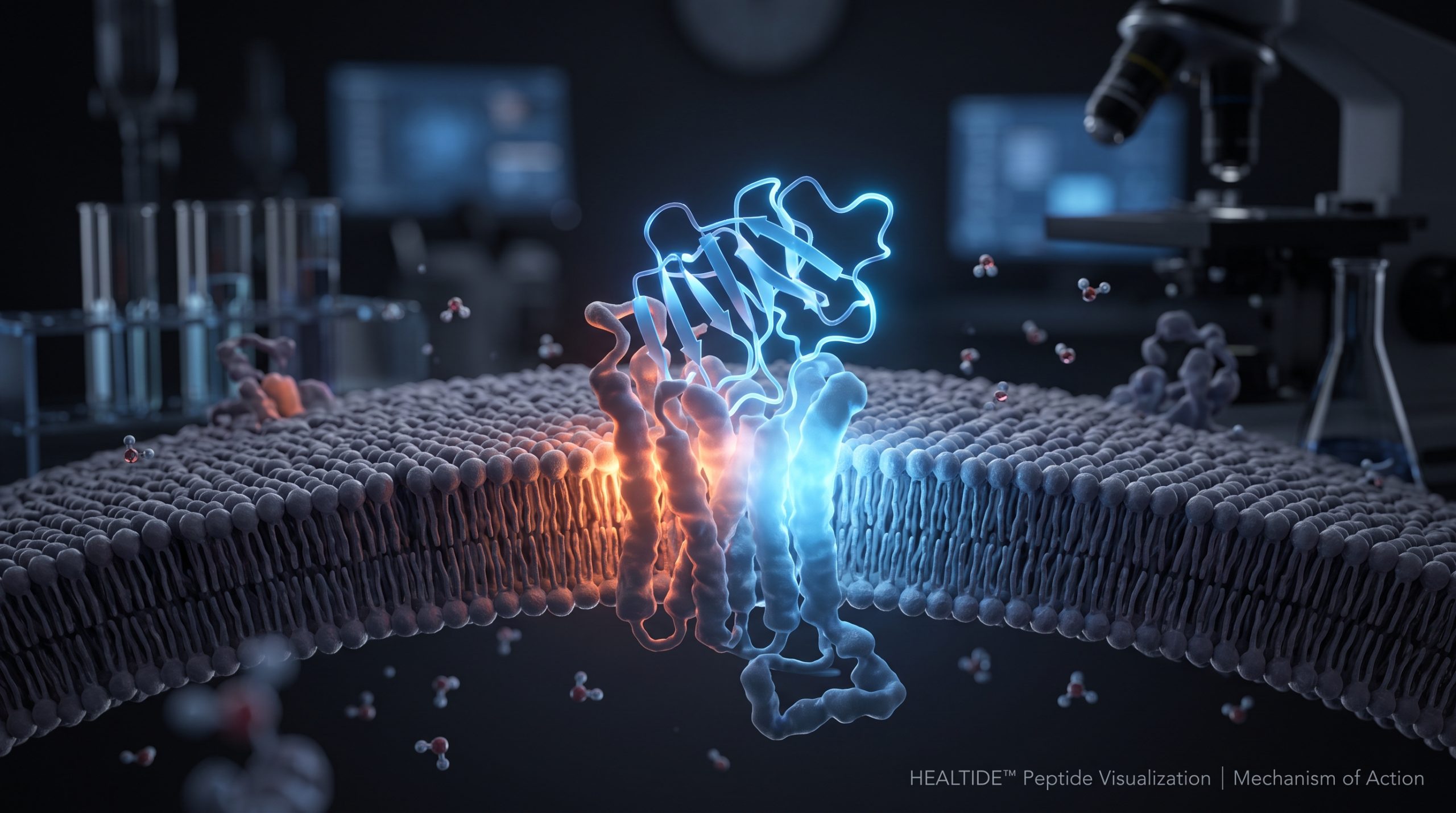
Treating dental problems in horses with symptom-oriented treatment is a far cry from what it should be. Our AGRP® ingredient represents the holistic approach to dealing with the very roots of the problem. Besides effective anti-inflammatory properties, AGRP® contributes much to repair and regeneration of tissues and maintains general oral health.
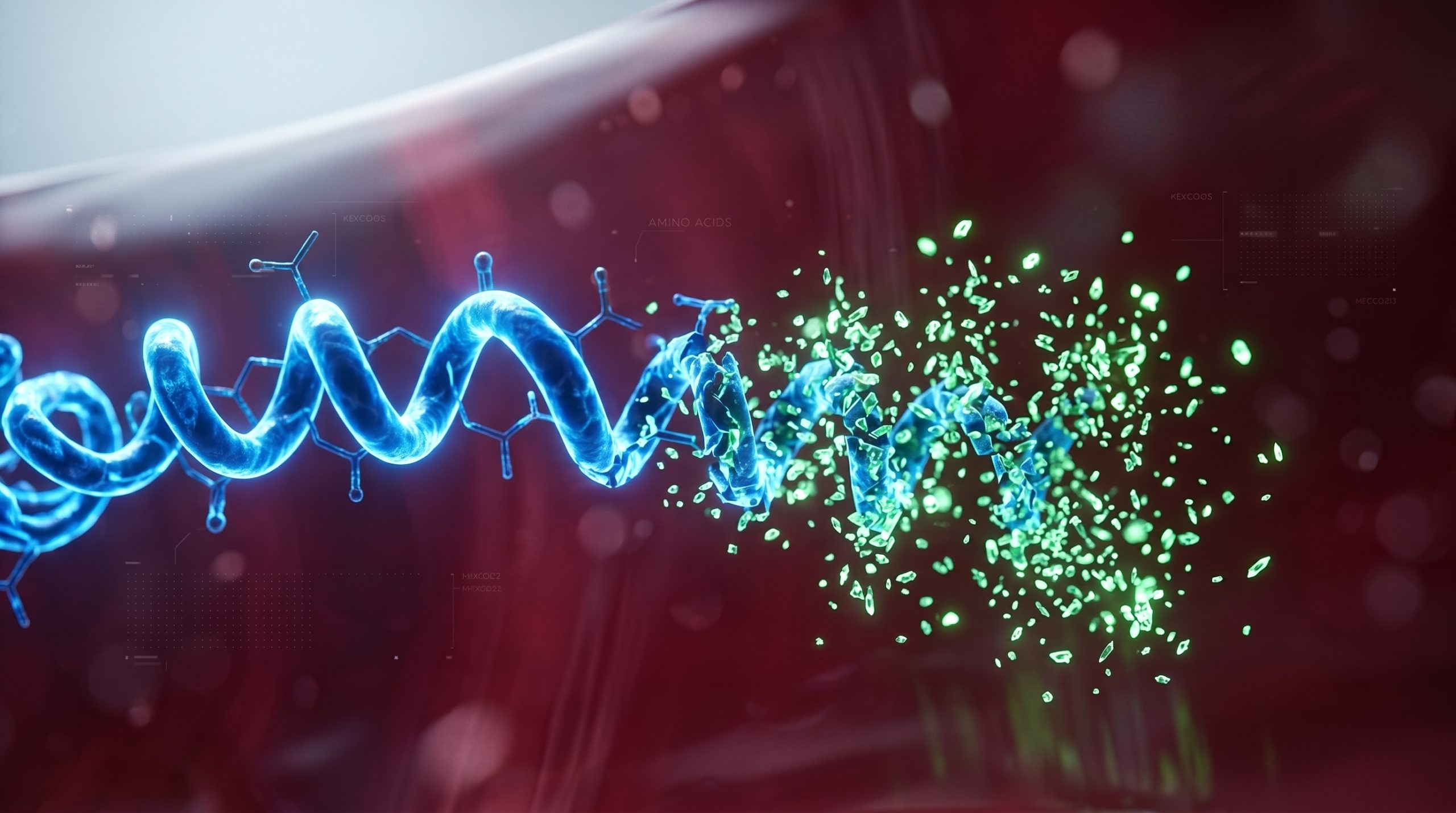
AGRP® stimulates the biosynthesis of collagen and fibronectin, essential components that provide health to gums and oral tissues. This helps in the repair and strengthening of those structures that support the teeth and is useful in pathologies such as gingival recessions and periodontal diseases. Besides, AGRP® promotes collagen synthesis, stimulating the regeneration of damaged tissues.
Moreover, AGRP® stimulates the growth of the oral epithelial cells. This growth is very vital in the healing of oral wounds and protecting them against further deterioration. Its ability to protect oral epithelial cells against free radicals makes oral tissues healthy and resistant.
The anti-inflammatory effects of AGRP® are further manifested by its ability to suppress inflammatory responses, as evidenced in macrophage models such as H2O2 and NO models. These properties, combined with the promotion of type I collagen production in chondrocytes, make AGRP® a comprehensive solution in the management and prevention of the progression of dental problems in horses. Supplementing your horse’s dental care with AGRP® will effectively take care of inflammation and healing to promote dental health and keep your horse comfortable and healthy.