Regardless of whether the procedure is as simple as a tooth extraction or as complicated as a gum grafting, dental surgery often requires a long time to heal. This means that recovery time can be very uncomfortable for patients since they can experience pain, swelling, and even infections. Recent advances in dental science have brought forth peptides as the best tool to hasten recovery. For those seeking innovative solutions, a dental care peptide supplier USA can provide access to these revolutionary compounds. This blog examines the mechanisms underlying dental peptides’ ability to promote quicker healing and the reasons behind their transformative impact on post-surgical care.
Dental Peptides: What Are They?
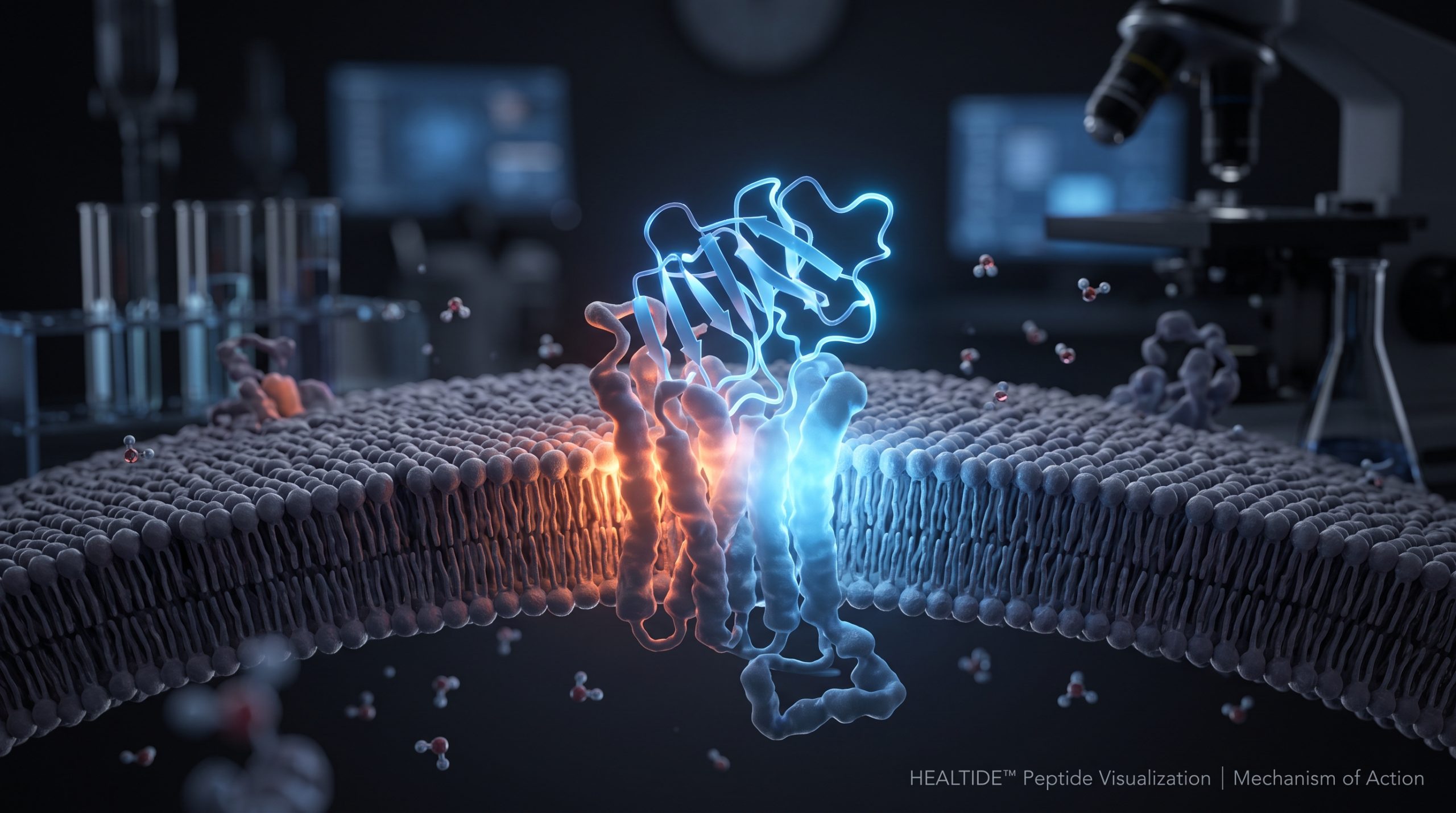
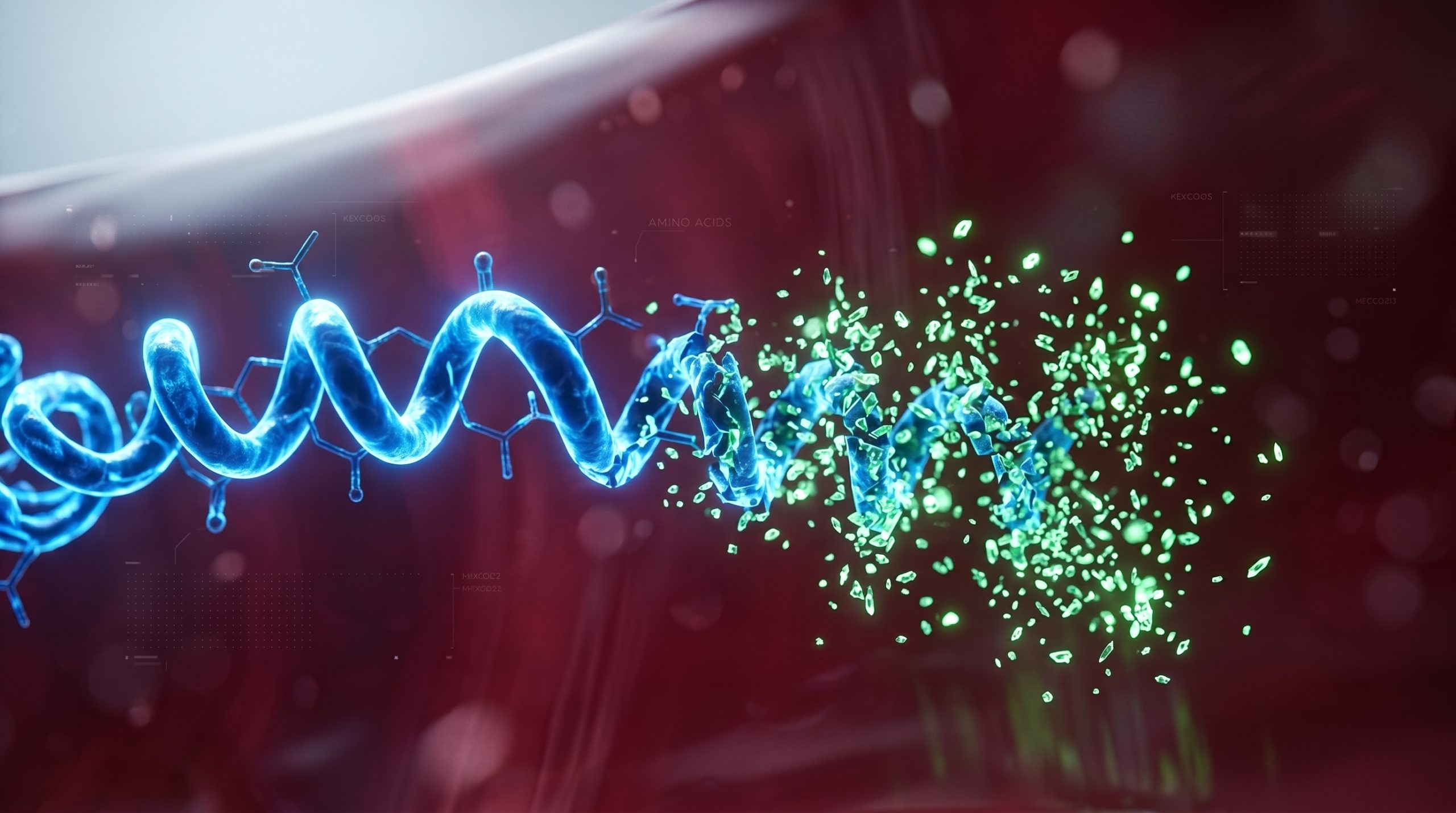
The dental field uses the small chains of amino acids called peptides to make them interact with specific cells and tissues. They are so helpful in dental care through their bioactive properties. They start a reaction that has to include producing collagen, bringing down inflammation, and an antibacterial action.
Challenges in Recovery Post-Surgery
The body heals the tissues destroyed by dental surgery by starting a natural healing process post-dental surgery. While effective, this process is often slow for a variety of reasons, including the following:
- Inflammation: Overwhelming inflammation can be painful and slows down the healing process.
- Risk of Infection: Several kinds of bacteria exist within the oral cavity, hence increasing the risk of infection.
- Time required for tissue regeneration: Tissue regeneration from bone or gums might be relatively slow, especially in elders or patients suffering from another medical condition.
- Handling Pain: Pain frequently impairs a patient’s speech and eating, which affects their total recovery.
Dental peptides provide a targeted strategy to speed up the healing process in an effort to solve these issues, making them a valuable resource for any dental care peptide supplier USA aiming to enhance oral health solutions.
How Dental Peptides Improve Recovery
Easing Down on Inflammation
Although inflammation is a normal reaction to surgery, too much of it can impede the healing process. Some peptides exert anti-inflammatory properties that help regulate the body’s response, thereby reducing pain and swelling. Some peptides like AGRP dental care peptide
can regulate inflammatory cytokines to ensure a healthy healing environment.
Tissue Regeneration
Collagen is an essential component of the bone and gum tissue. Peptides that boost the synthesis of new collagen bring about faster tissue repair by stimulating collagen synthesis. Two such peptides are collagen-stimulating peptides and MMPIs; they are instrumental in bone augmentation surgery and after a gum transplant.
Antimicrobial Action
AMPs, together with other peptides, possess healing-promoting as well as infection-preventing functions. Such peptides selectively target hazardous oral microbiota and do not interfere with the good microbiome. By its precise antibacterial activity, these peptides ensure rapid recovery while lowering the threat of post-surgical site infections.
Increasing the Rate of Angiogenesis
Angiogenesis is the process of the growth of new blood vessels, thus critical for the delivery of oxygen and nutrients to healing tissues. The development of new blood vessels in the affected areas makes dental peptides, such as AGRP dental care peptide, integral parts of the healing process. By providing adequate blood supply, these peptides accelerate the healing of damaged oral tissues, such as the gums and oral mucosa. This can focus and prove to be an effective way of eliciting tissue regeneration by mimicking the natural actions of VEGF for improved healing results. Such therapeutic methods based on peptides could create innovative, practical dental care solutions.
Handling Pain
By focusing on particular bodily circuits, some peptides have analgesic qualities and provide pain relief. These peptides, in contrast to conventional painkillers, can successfully alleviate discomfort with little to no use of traditional analgesics, reducing the danger of opioid dependency and adverse effects. This innovation improves comfort for the patient without any risks associated with the chronic use of drugs by offering a safe alternative to pain management. Medicine can advance a safer, drug-free approach to the care of patients, being more specific in the therapy of pain through peptide-based therapies, with options available from dental care peptide suppliers in Europe.
Applications of Dental Peptides in Real Life
Many aspects of post-operative care are already adopting dental peptides:
Gum Surgery: After undergoing treatments involving gingivectomy or periodontal surgery, peptides promote the soft tissues to repair faster.
Bone Regeneration: Peptides enhance new bone formation. These act as aids for osseointegration and bone grafting in the dentition of implants.
Wound Healing: Peptide-filled dressings and gels on the surgical sites will bring about faster closure of the wound and minimal scar appearance.
Prevention of Infection: The addition of antimicrobial peptides to the mouthwashes and pastes helps reduce the post-operative bacterial load.
Advantages for Dentists and Patients
For Patients:
- Reduced downtime and faster recovery to normal activities.
- Lesser risk of complications that may include infection or more significant scarring.
- Reduced pain and swelling and greater comfort.
- Better outcomes, especially during complex procedures.
For dental practitioners:
- Greater patient satisfaction due to easier recovery.
- Fewer follow-up appointments as a result of complications.
- More excellent reputation for welcoming new technology.
Dental Peptides’ Future Potential
Such novel developments in oral health have led to the emergence of dental peptides, revolutionizing targeted treatments for issues such as gingival recession, healing oral mucosa, and bacteria control. The growing potential for future research to develop peptide formulations tailored to each patient’s specific needs is expanding; these individualized treatments could enhance treatment outcomes and increase patient satisfaction by addressing unique oral health concerns. The integration of peptides in general dentistry holds the potential to transform treatment and oral care through biologically-driven, non-invasive techniques. The expectation for peptide-based treatments, particularly from AHB Lab, is likely to rise as inpatient and dental awareness regarding these advancements grows, paving the way for revolutionary progress in oral health care. As a leading dental care peptide supplier in Europe, AHB Lab is poised to contribute significantly to this exciting development.
In conclusion
Dental peptides are the new revolution in recovery after surgery because they abolish the challenges of conventional healing methods. The application of peptides quickens the healing process and enhances outcomes by reducing inflammation, preventing infections, and promoting tissue regeneration. Owing to its popularity, this technology is soon to be a part of modern dental care. Knowledge regarding the benefits of peptides would enable both the patient and the dentist to heal quicker and better.