Since skincare peptides are proven to revitalize and restore youthful skin, they have become indispensable in today’s skincare regimens. When scientists learned that they might increase the creation of collagen and encourage skin healing, the trip started in the late 20th century. Peptides were first utilized to treat aging skin conditions, but they have since developed into various skincare concerns. Modern advanced formulations boost its efficacy by combining numerous peptides with complex delivery mechanisms. Future developments will be fueled by customized skincare, environmentally friendly sourcing, and state-of-the-art technologies. These factors will reinforce peptides’ role in revolutionizing the skincare industry and providing customized solutions for various skin demands.
The Past: Peptides’ Discovery and Early Application in Skincare
The Past of Peptide Science
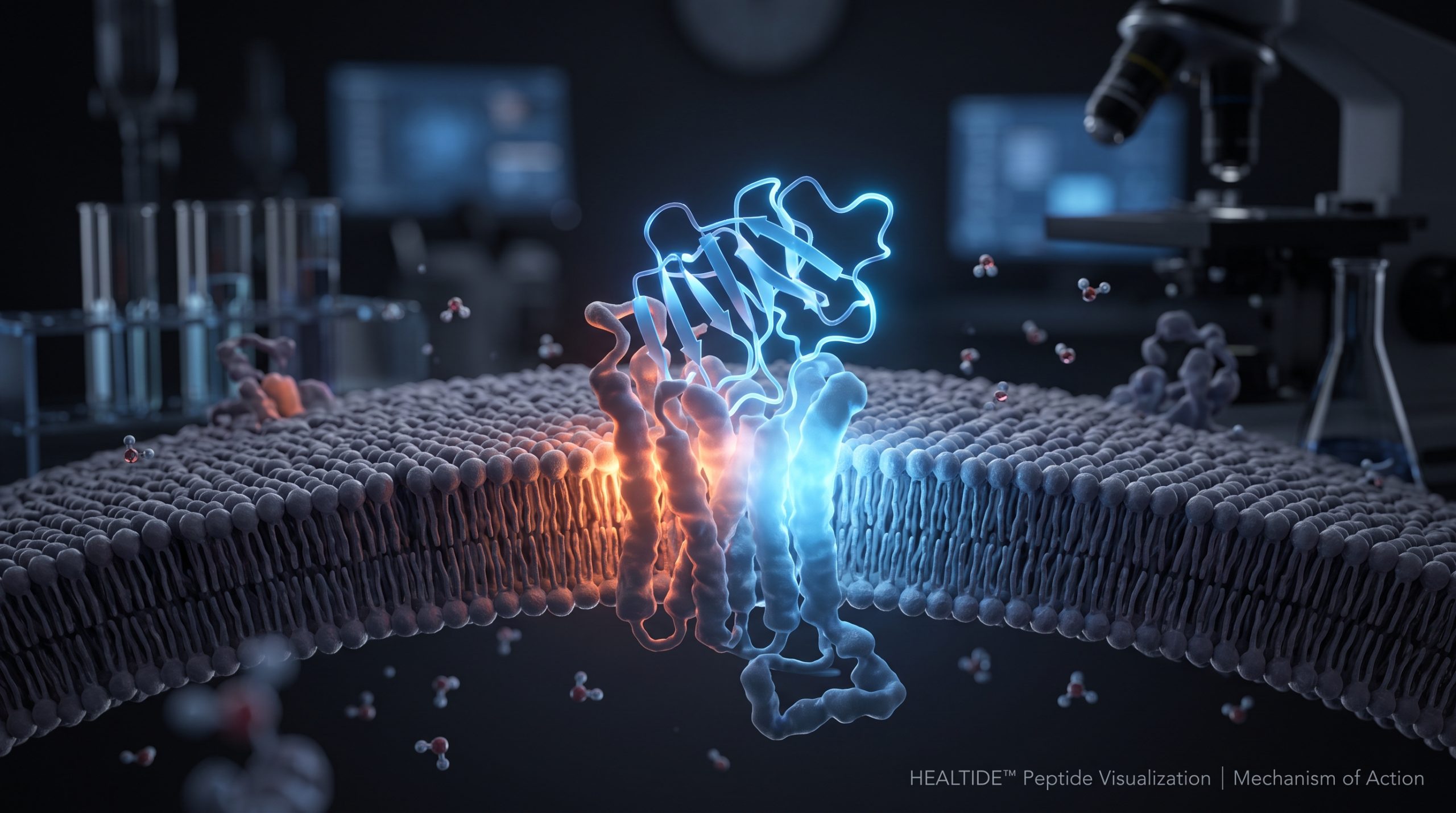
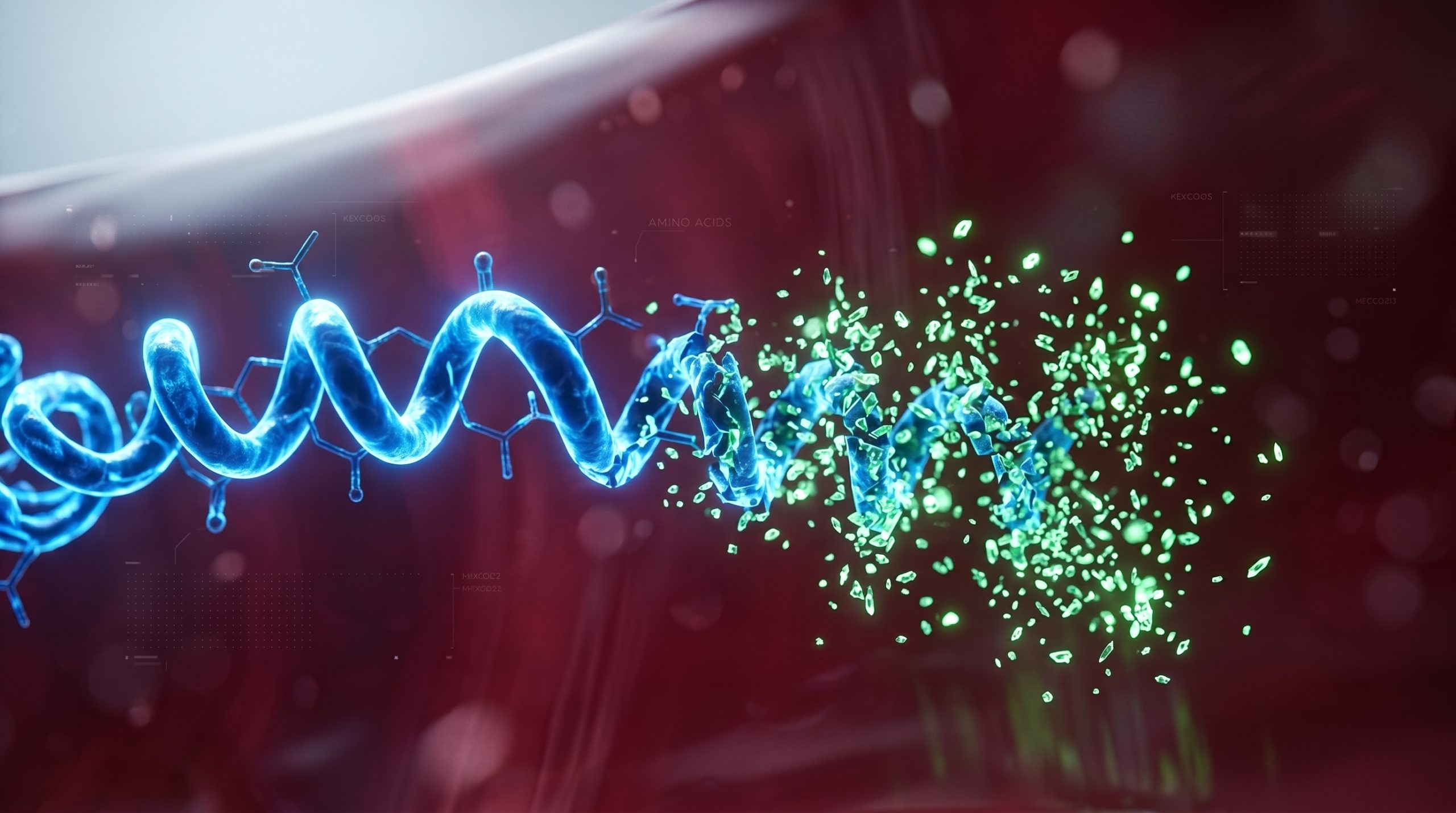
Proteins are made up of small chains of amino acids called peptides. Scientific studies on their biological roles laid the foundation for their use in skincare products. Scientists found that peptides might affect several biological processes, such as cell signaling and wound healing, during the beginning of the 20th century. However, their promise for skincare was discovered in the late 20th century.
Early Applications
The skincare sector started investigating peptides’ potential as anti-aging ingredients in the 1980s and 1990s. Introduced in the 1990s, Matrixyl (palmitoyl pentapeptide-4) was one of the first peptides. It was discovered that Matrixyl increased the synthesis of collagen, a protein essential for preserving the firmness and suppleness of skin. With a focus on fine lines and wrinkles, this finding signaled the start of using peptides in skincare formulas.
The Present: Peptides as Skincare Powerhouses
A Multitude of Functions
Peptides are now praised for their many uses in skincare products. They serve several purposes, including antioxidant and collagen-producing stimulation. The following are some of the most popular peptides and their advantages:
- Palmitoyl Pentapeptide-4 (Matrixyl): Reduces the appearance of fine lines and wrinkles by increasing collagen and elastin production.
- Acetyl Hexapeptide-8 (Argireline): Often called “Botox in a Jar,” it lessens the depth of wrinkles caused by facial expressions.
- Copper Peptides: Enhance skin suppleness, decrease inflammation, and encourage skin regeneration and wound healing.
- Tetrapeptides: Reduce inflammation and speed up the healing process—suitable for sensitive or acne skin.
Advanced Formulations
Today’s more complex peptide formulations frequently combine several skincare peptides to address different skin issues simultaneously. These multi-peptide complexes have the potential to provide extensive anti-aging advantages by enhancing the resilience, moisture, and texture of the skin. Furthermore, by guaranteeing a deeper penetration into the skin, developments in delivery techniques, including encapsulation and nanotechnology, have improved the effectiveness of peptides.
Awareness and Demand among Consumers
Demand has been fuelled by a greater understanding among consumers of the advantages of peptides. Today’s skincare aficionados are pickier and more knowledgeable, looking for products containing ingredients that have been shown via scientific study. This change has forced skincare companies to spend money on R&D, which has resulted in the development of more inventive and potent peptide-based skincare products.
Innovations and Emerging Trends in the Future
Customised Skincare
The use of peptides in skincare looks promising, especially in light of the growing popularity of customized skincare products. Biotechnology and data analysis developments will make it possible to create peptide formulations specific to each person’s skin type and problems. This individualized method maximizes outcomes and improves overall skin health by tailoring each user’s therapy to their unique skin demands. A significant movement towards customized skincare regimes will occur as skincare solutions become more accurate and effective as technology advances.
Synergy of Peptides
Future skincare formulas will investigate the synergistic effects of combining potent ingredients like hyaluronic acid, niacinamide, and antioxidants with peptides. This combination addresses several skin issues at once, increasing overall efficacy. Antioxidants guard against free radicals, hyaluronic acid increases hydration, peptides promote collagen formation, and niacinamide enhances texture and tone. Combined, they provide a broad range of advantages, from improved skin resilience to anti-aging, offering a multidimensional approach to skincare that optimizes outcomes and meets various skin needs.
Ethical and Sustainable Sourcing
The skincare industry is concentrating on acquiring ethical and sustainable peptides as worries about sustainability increase. Technological developments in biotechnology have made it possible to produce synthetic peptides in a lab, which minimizes the environmental impact and eliminates the need for animal sources. This change reflects the growing demand from consumers for cruelty-free and environmentally friendly goods, guaranteeing that skincare formulas are made ethically, sustainably, and sustainably. By implementing these strategies, the industry addresses the twin objectives of sustainability and innovation, appealing to a more environmentally conscious clientele.
Innovative Delivery Methods
New delivery methods for DPP skin care peptide will persist, guaranteeing their delivery to the skin’s deeper layers, where their maximum efficacy lies. It is planned to improve and incorporate cutting-edge methods like liposomes, nanotechnology, and microencapsulation into skincare products. By enhancing peptides’ stability and bioavailability, these techniques optimize their advantages. Liposomes encapsulate peptides in lipid bilayers; they are protected until they reach their target by microencapsulation, and nanotechnology decreases particle size for deeper penetration. Combined, these developments will significantly improve the effectiveness of skincare products based on peptides, producing more powerful and focused outcomes.
New Peptide Discoveries
Additional research might reveal new peptides with unique qualities and advantages. Scholars are consistently delving into the immense possibilities of peptides, uncovering novel substances that can more efficiently tackle particular skin ailments. This further study may result in the creation of sophisticated peptide formulations that provide focused treatments for various skin issues. Customers will thus have even more options, which will improve their capacity to customize skincare regimens to meet their unique demands and get the best possible skin health.
Conclusion
Peptides were formerly a specialty component, but thanks to advances in science and technology, they are now a common ingredient in skincare products. Their experience serves as a reminder of the rising desire from customers for cutting-edge, efficient skincare products. Thanks to customized formulas, morally sourced materials, and cutting-edge delivery methods that propel the next wave of advancements, skin care peptide suppliers will play an even more significant part in skincare. This development highlights the industry’s commitment to innovation and science and offers new avenues for attaining youthful, healthy skin. Discover the newest peptide-powered skincare products from AHB Lab, where excellent results are achieved by combining science and beauty.