

What is Animal Testing?
Animal testing, also known as animal experimentation, involves the use of non-human animals in scientific and medical research. This practice, which has been around for centuries, has played a key role in numerous medical breakthroughs, leading to improved understanding of human biology and the development of various life-saving treatments.
However, animal testing is not without controversy. It brings with it a host of ethical implications as it often results in distress, pain, and even death for the millions of animals used in laboratories worldwide. In response to these ethical concerns and a growing emphasis on animal rights, scientists and researchers are now seeking out and developing alternatives to animal testing.
Ethical Implications of Animal Testing
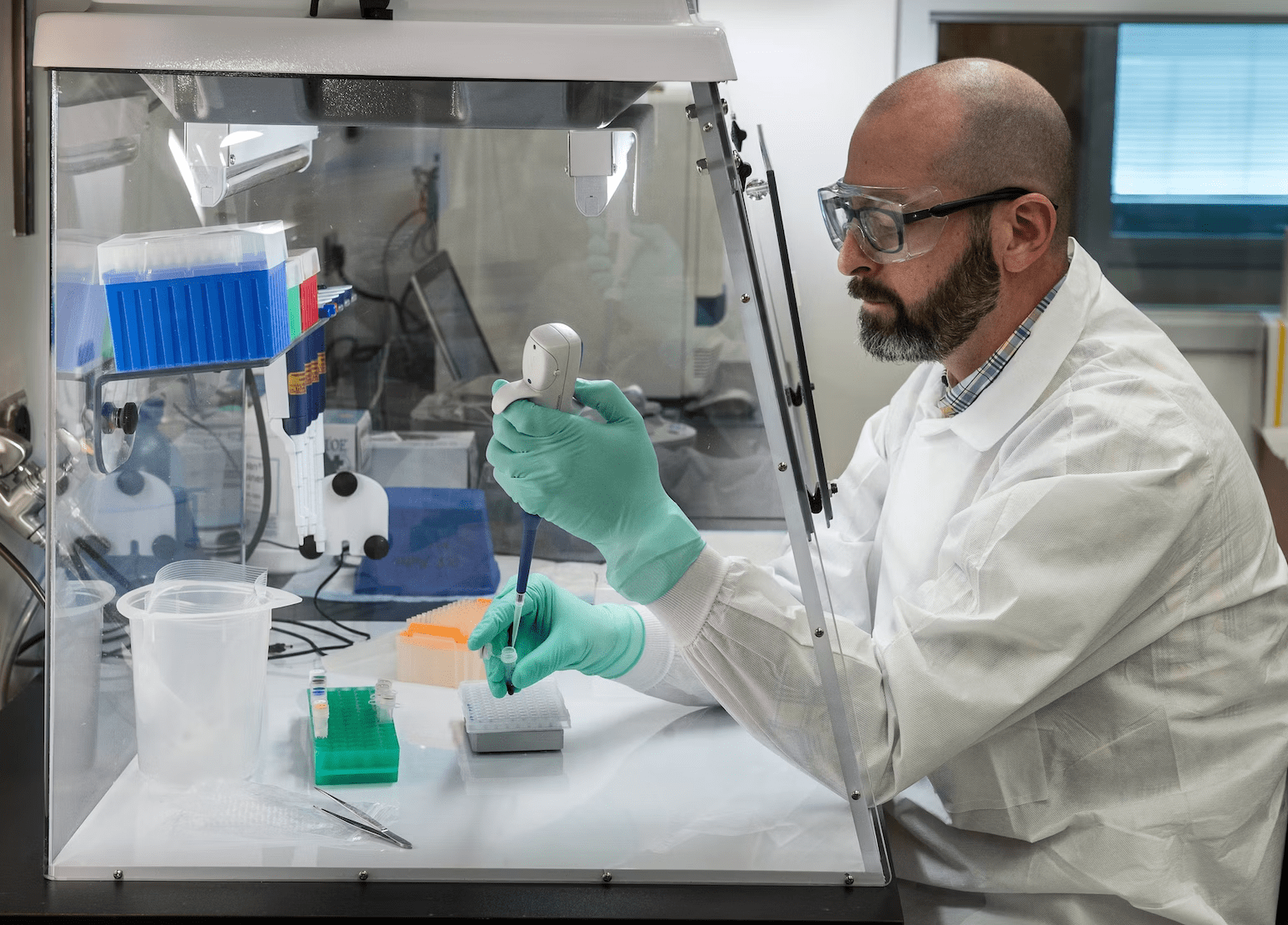
The ethics of animal testing continue to fuel heated debates among scientists, animal rights activists, and the public. Critics of animal testing view the practice as morally unacceptable, emphasizing that it often subjects animals to pain, distress, and death. They advocate for the recognition and respect of animals’ inherent rights, which include not being used as subjects for potentially harmful and invasive experiments.
Conversely, proponents of animal testing argue its indispensability in medical and scientific advancement. They maintain that it is currently the most effective method for studying disease mechanisms, testing drug safety and efficacy, and ultimately improving human health. Despite the ethical concerns, they believe that the benefits derived from animal testing, which include life-saving treatments and improved quality of human life, justify its use.
Emerging Alternatives to Animal Testing: Revolutionary Methods and Technologies
Given the mounting ethical concerns and increasing demand for animal welfare, scientists are rapidly evolving and improving methods that can serve as viable alternatives to animal testing. These alternatives are not only more ethically sound, but are often more reliable, as many are based on human cells and tissues.
In Vitro Testing
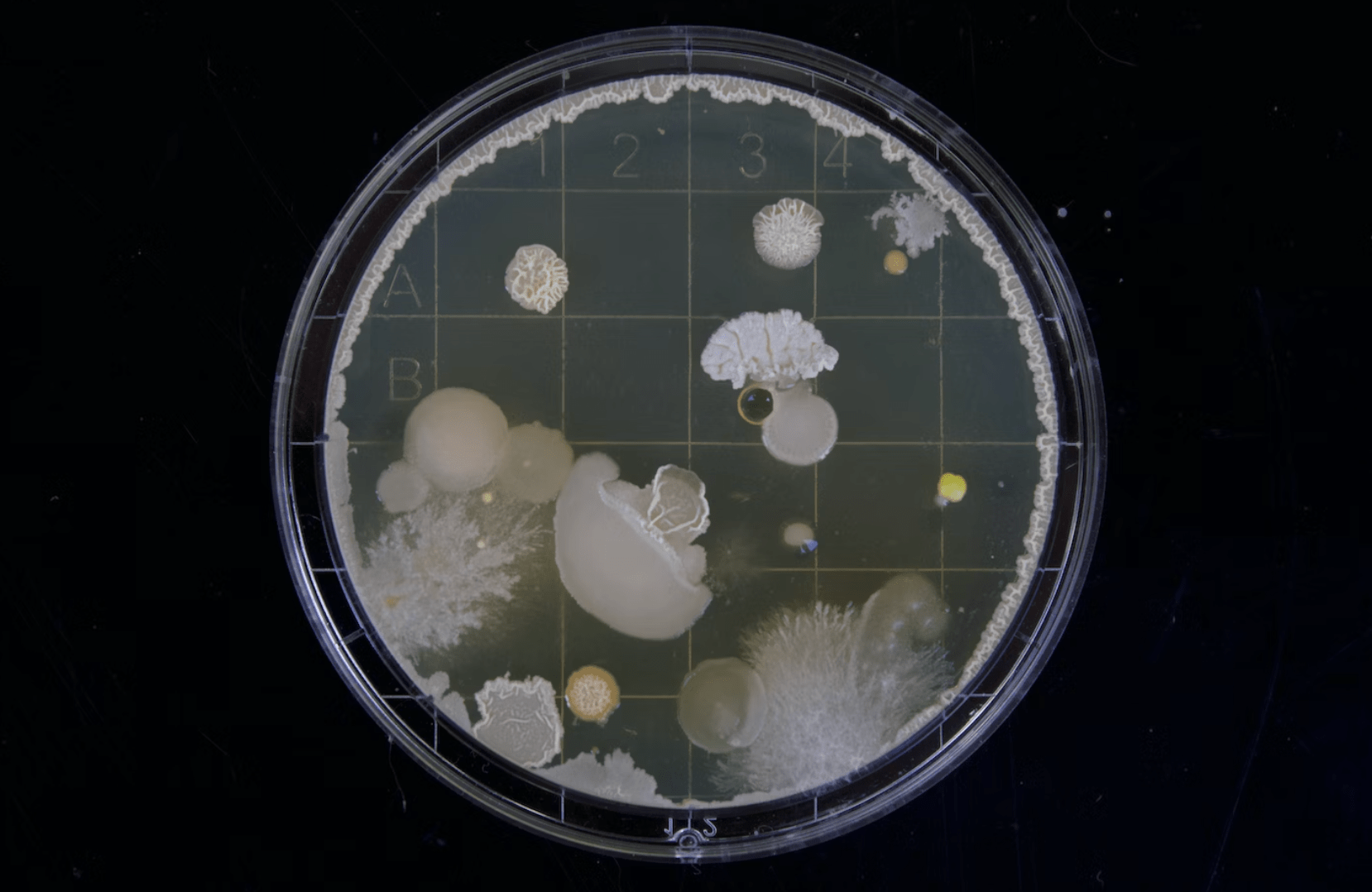
Derived from a Latin phrase signifying “in glass,” in vitro testing involves examining biological entities such as cells or tissues within a controlled, non-biological context. This method enables scientists to isolate and scrutinize biological processes, effectively circumventing the ethical dilemmas tied to animal testing. The controlled environment of in vitro testing minimizes variables and allows for a focused study, increasing the accuracy of the results and their relevance to human biology.
Organ-on-a-Chip Technology
Organs-on-a-chip are revolutionary devices that mimic the structure and function of human organs on a microscale. They replicate the complex biological responses of human organs, providing a more accurate indication of how humans might react to certain drugs. This technology significantly minimizes the need for animal testing, thereby reducing the associated ethical concerns.
Computational Models
With the advent of increasingly sophisticated technology, computational models are becoming more capable of simulating human biological processes and drug interactions. As these models become more precise, they offer valuable insights into human physiology, disease progression, and drug response, reducing the need for animal testing.
Stem Cell Research
Stem cells, particularly induced pluripotent stem cells, have the potential to develop into any cell type in the body. Scientists can utilize them to create realistic models of human tissues for drug testing and studying disease mechanisms, negating the need for animal models.
The Future of Animal Testing and Its Alternatives: An Evolving Landscape
The field of animal testing is transforming rapidly, spurred by technological advancements and societal pressure for more humane research methods. While animal testing still plays a critical role in biomedical research, there is a concerted global effort to replace or reduce it with more humane alternatives wherever possible.
Yet, despite the progress made in developing alternatives, completely eliminating animal testing isn’t feasible at present. The alternatives, while promising, cannot fully mimic the intricate complexities of human diseases and biological systems. Until they can, animal models will remain an essential part of biomedical research.
The scientific community’s commitment to the principles of the 3Rs – Replacement, Reduction, and Refinement – serves as a guiding light, ensuring the ethical use of animals in research. These principles mean researchers are continually seeking to replace animals with non-animal methods, reduce the number of animals used, and refine procedures to minimize suffering.
As the scientific world continues to evolve, the intersection of ethics, animal welfare, and scientific progress will shape the future of animal testing and its alternatives. It is a journey towards more humane and effective research methods that respect and value all life.
At AHB Lab, we believe that ethical responsibility and scientific progression can go hand in hand. Our dedication to integrating state-of-the-art alternatives to animal testing demonstrates not only our commitment to animal welfare but also to the advancement of reliable and human-relevant research.
One Response