
Skincare is not just a routine; it’s a booming industry revolutionizing beauty and wellness worldwide. With a market valuation soaring beyond 100 billion US dollars, skincare holds a commanding 41% share in the beauty product category as of 2022. As we move towards 2025, the industry is witnessing a surge in innovative ingredients that are sustainable, multi-purpose, and more potent than ever.
Today’s market trends highlight a shift towards ingredients that are not only effective but also kind to our planet. From plant-based formulations to bio-active extracts from fungi and other natural sources, the demand for organic and sustainable products is reshaping consumer expectations. These ingredients are not merely additions to the product labels; they are powerhouses of anti-aging and nutrient-rich properties that cater to a growing demographic of eco-conscious consumers.
This year, the skincare industry is set to introduce a plethora of trends that promise to enrich consumer experiences with both traditional and unexpected elements, driving forward a market already ripe with innovation. Stay tuned as we explore these transformative trends that are setting the stage for a new era in skincare.
Following our comprehensive research and insights gathered at the in-cosmetics Paris 2024, we are excited to share a series of pivotal skincare trends. This exploration has allowed us to curate a compelling list of 20 trends that are defining the future of skincare. We have divided our findings into two detailed articles to give each trend the attention it deserves. This first installment will unveil the initial ten trends, setting the stage for innovative breakthroughs and transformative solutions in skincare. Stay tuned for a deep dive into what’s driving the skincare industry forward.
1. Bio-Retinol: Anti-Aging and Soothing
In the pursuit of gentler skincare solutions, bio-retinol emerges as a formidable alternative to its synthetic counterpart. Derived from botanical sources, bio-retinol mimics the skin-renewing benefits of traditional retinol by stimulating collagen production and accelerating cell turnover, but without the irritating effects often linked with synthetic retinol. This makes it especially appealing for those with sensitive skin. Its popularity is further enhanced by the growing trend towards sustainable and natural skincare, making bio-retinol a favorite among eco-conscious brands.

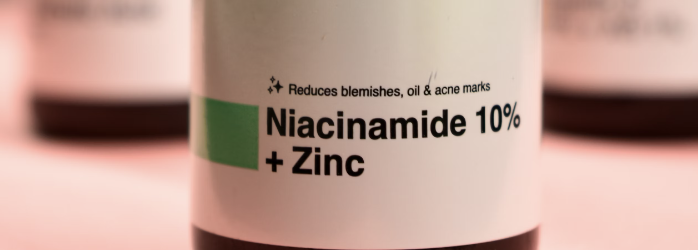
2. Niacinamide: Versatile Skin Enhancement
Niacinamide, a versatile form of vitamin B3, is increasingly recognized for its wide-ranging skin benefits. It fortifies the skin’s barrier, reduces pigmentation, smooths out fine lines, and diminishes wrinkles. Additionally, niacinamide’s ability to regulate sebum production makes it an excellent choice for managing both dry and oily skin conditions. Its efficacy and broad appeal ensure its place as a staple in diverse skincare products, offering solutions that address multiple skin concerns simultaneously.
3. Algae: Nature’s Hydration Powerhouse
Algae extracts are gaining momentum in the skincare industry thanks to their potent bioactive compounds. These extracts are celebrated for their hydrating, antioxidant, and anti-aging properties. Skincare brands are exploring various types of algae to leverage unique benefits such as defending against pollution and enhancing skin elasticity. This trend is particularly attractive to consumers seeking effective, natural skincare products that are both safe for their skin and environmentally sustainable.
4. Snail Mucin: Healing and Rejuvenation
Snail mucin has transitioned from a niche Korean beauty secret to a globally recognized skincare ingredient, prized for its exceptional healing properties. It is rich in glycoproteins, hyaluronic acid, and glycolic acid, which collectively work to repair skin damage, enhance moisture retention, and combat aging signs. The rise of snail mucin underscores a larger movement towards natural and multifunctional ingredients in skincare, reflecting consumer interest in both efficacy and ethical sourcing.
5. Mushrooms: Holistic Health and Skincare
The humble mushroom is currently experiencing a surge in popularity within the skincare industry. Varieties such as reishi, chaga, and cordyceps are noted for their anti-inflammatory, antioxidant, and hydrating benefits. Mushroom-infused skincare products are appealing to consumers interested in holistic approaches to health and wellness, integrating ancient medicinal practices with modern skincare science to offer innovative solutions that promote overall skin health.
6. Peptides: Biosynthetic Breakthroughs for Multifunctional Skincare
Peptides are gaining prominence for their precise ability to signal skin cells to produce more collagen, making them essential in anti-aging skincare. These small protein fragments help firm, repair, and renew skin, thereby reducing wrinkles and improving skin texture. Their effectiveness at targeting specific skin concerns makes them a key ingredient in serums and creams designed for mature skin.
The evolution of biosynthetic peptides represents a significant advance in skincare, offering versatile solutions that extend beyond traditional applications. These engineered peptides are pivotal in addressing a broad spectrum of skin health issues, from enhancing hydration and elasticity to reducing inflammation and supporting barrier function. At AHB Lab, our research leverages these biosynthetic innovations to push the boundaries of what skincare can achieve, focusing on developing products that are as effective as they are innovative.
7. Scalp Care: Extending Beyond Hair to Holistic Skin Health
The trend of treating the scalp with the same care as the face is emerging as a holistic approach to skincare. Products that nourish and treat the scalp improve overall hair health while also benefiting the skin at the hairline and forehead. This integration acknowledges that a healthy scalp contributes significantly to overall dermatological health and appearance.

8. Clean Beauty: Pure and Transparent Formulations
Clean beauty continues to redefine industry standards by focusing on non-toxic, transparently sourced ingredients that promote health and sustainability. This trend appeals to consumers who are increasingly scrutinizing ingredient lists and demanding products free from harmful chemicals. Clean beauty brands emphasize purity and the avoidance of any substances linked to skin irritations or environmental damage.
9. Personalized Skincare: Customized Beauty Regimens
Advanced diagnostics and AI technology are enabling brands to offer personalized skincare solutions that cater to individual needs based on genetic makeup, lifestyle, and skin concerns. This trend is revolutionizing the market by providing consumers with products that are specifically formulated to maximize the health and appearance of their unique skin profiles.
10. Vegan and Cruelty-Free: Ethical and Compassionate Choices
Ethical considerations in skincare are leading more consumers to choose vegan and cruelty-free products. These products guarantee no animal testing and no animal-derived ingredients, aligning with a growing public commitment to ethical consumption practices. The trend not only reflects a shift towards more humane beauty products but also meets the demand for high-quality, plant-based ingredients in skincare.
We hope this exploration of the latest skincare trends has provided valuable insights into the evolving landscape of beauty and wellness. Stay tuned for Part 2, where we will continue to uncover additional groundbreaking trends in the skincare industry. Join the conversation and share your thoughts with us on these developments—your feedback is crucial as we delve deeper into the future of skincare. Let’s navigate these exciting innovations together!