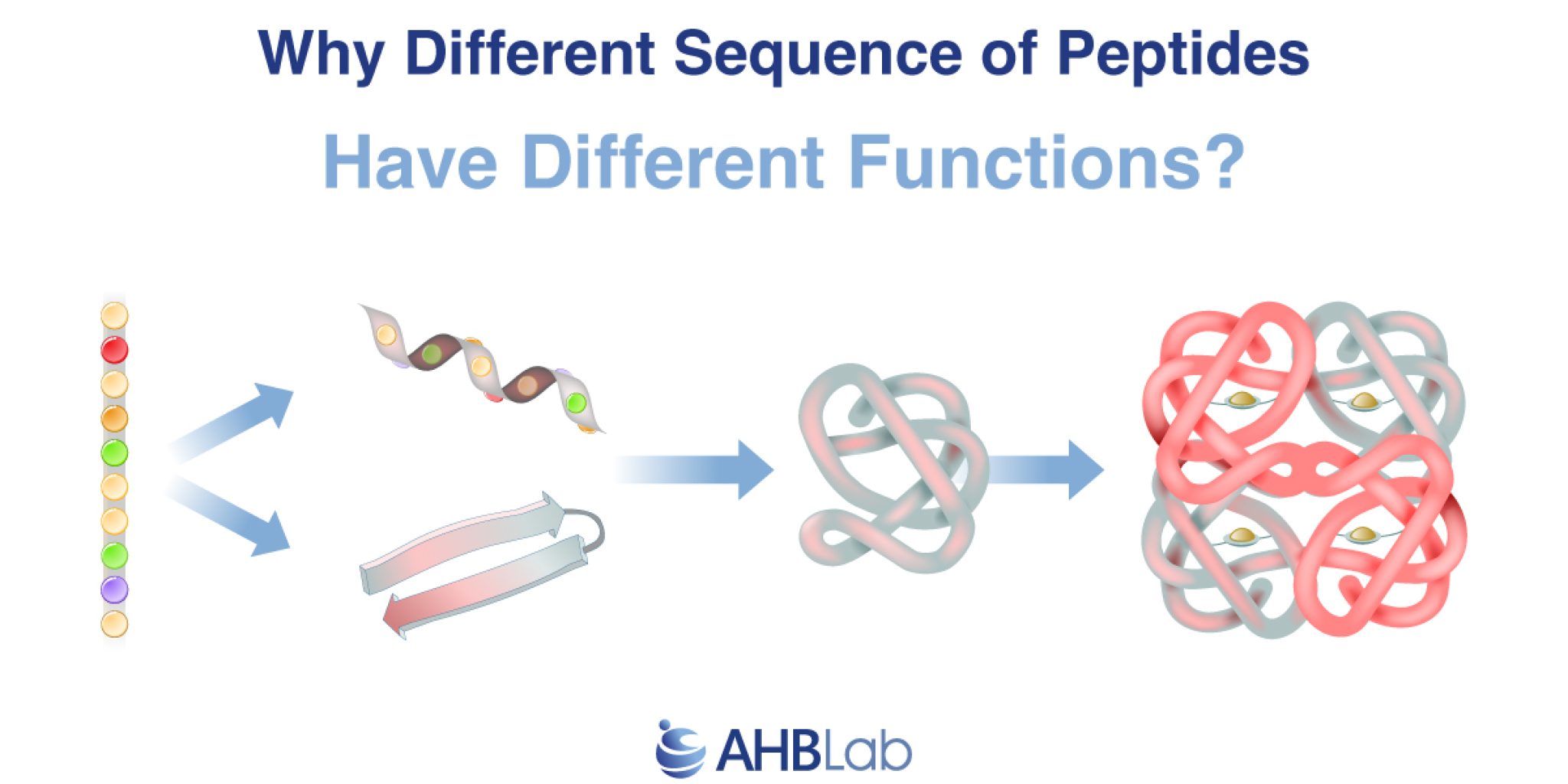
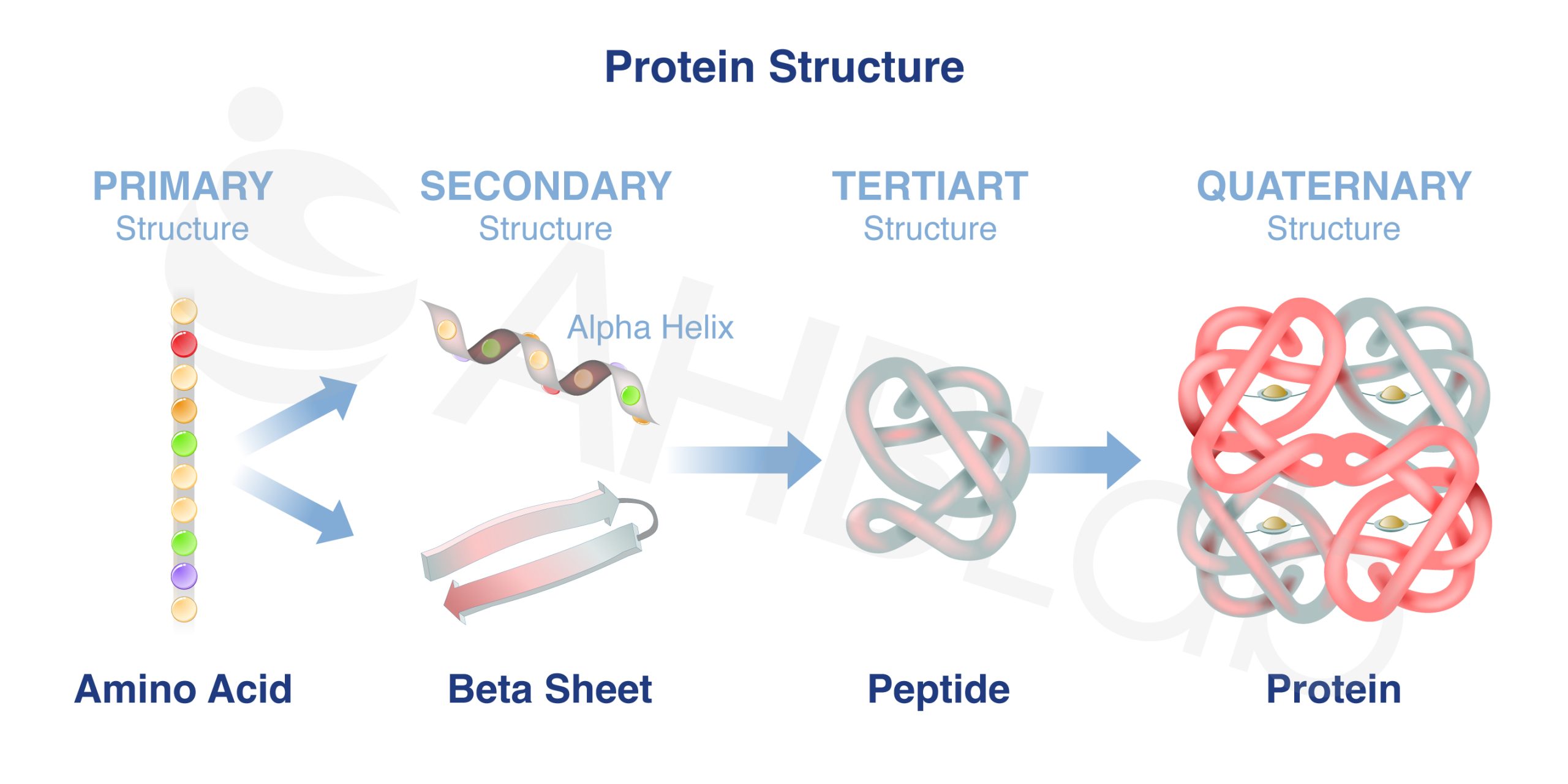
Peptides are the building blocks of life and perform a wide range of functions in living organisms. They are made up of short chains of amino acids that can be folded into complex three-dimensional structures. The sequence of these peptides is unique to each protein and determines its structure and ultimately its function. In this article, we will explore how the sequence of peptides determines the function of proteins.
Peptide Diversity
Peptides are incredibly diverse and can vary in size, shape, and function. The unique sequence of peptides that make up each protein gives rise to its distinct properties. Some peptides provide structural support to cells, while others are enzymes that catalyze chemical reactions. Peptides can also act as monitors, changing shape and activity in response to metabolic signals or messages from outside the cell.
Sequence of Peptides and Protein Folding
The sequence of peptides in a protein determines its folding and ultimately its structure. Peptide folding is a complex process that is still not fully understood. The folded structure of a protein is critical to its function because it determines which other molecules it can interact with. When peptides bind with other molecules, their conformation can change in subtle or dramatic ways. Alterations in the amino acid sequence can bring about changes in the folding and stability of the peptide, altering its interaction with other molecules and changing its overall function. Read here for more information.
Post-Translational Modifications
Peptides can be altered after they are synthesized and folded. Transferase enzymes add small modifier groups, such as phosphates or carboxyl groups, to the peptide. These modifications often shift peptide conformation and act as molecular switches that turn the activity of a peptide on or off. Many post-translational modifications are reversible, although different enzymes catalyze the reverse reactions.
Peptide Structure and Function
The structure of a peptide is directly related to its function. Structural peptides maintain cell shape, while enzymes catalyze biochemical reactions that occur in cells. Alterations to the amino acid sequence can alter the structure of a peptide, which may in turn alter its function. However, mutations in a peptide sequence do not necessarily alter its function. In some cases, a mutation at a specific site, such as a conserved residue, can bring about a change in the structure and function of the peptide.
Allostery and Peptide Networks
Allostery is a concept where an allosteric signal can transmit the effect of a perturbation to a different site in the peptide structure without much change in the overall topology of the peptide. When perturbations are bought into the system, such as disease-causing mutations, it is seen that the variation in the connectivity of the elements within the system brings about allosteric changes in functional sites and elsewhere. The internal peptide structural network defines the connectivity between atoms/residues. Mutations at a given site can affect the structural network at a distant site that may be involved in the function of the peptide.

Conclusion of the Secret of Sequence of Peptides
In conclusion, the sequence of peptides determines the function of proteins. Each protein has a unique sequence of peptides that determines its structure and ultimately its function. Alterations to the amino acid sequence can alter the structure and function of the peptide. Understanding how the sequence of peptides determines protein function is critical for developing new treatments for diseases caused by genetic mutations in peptide sequences.
Contact us for more precious sequence of biosynthetic peptides.