Unveiling the Evolution of Blood Groups
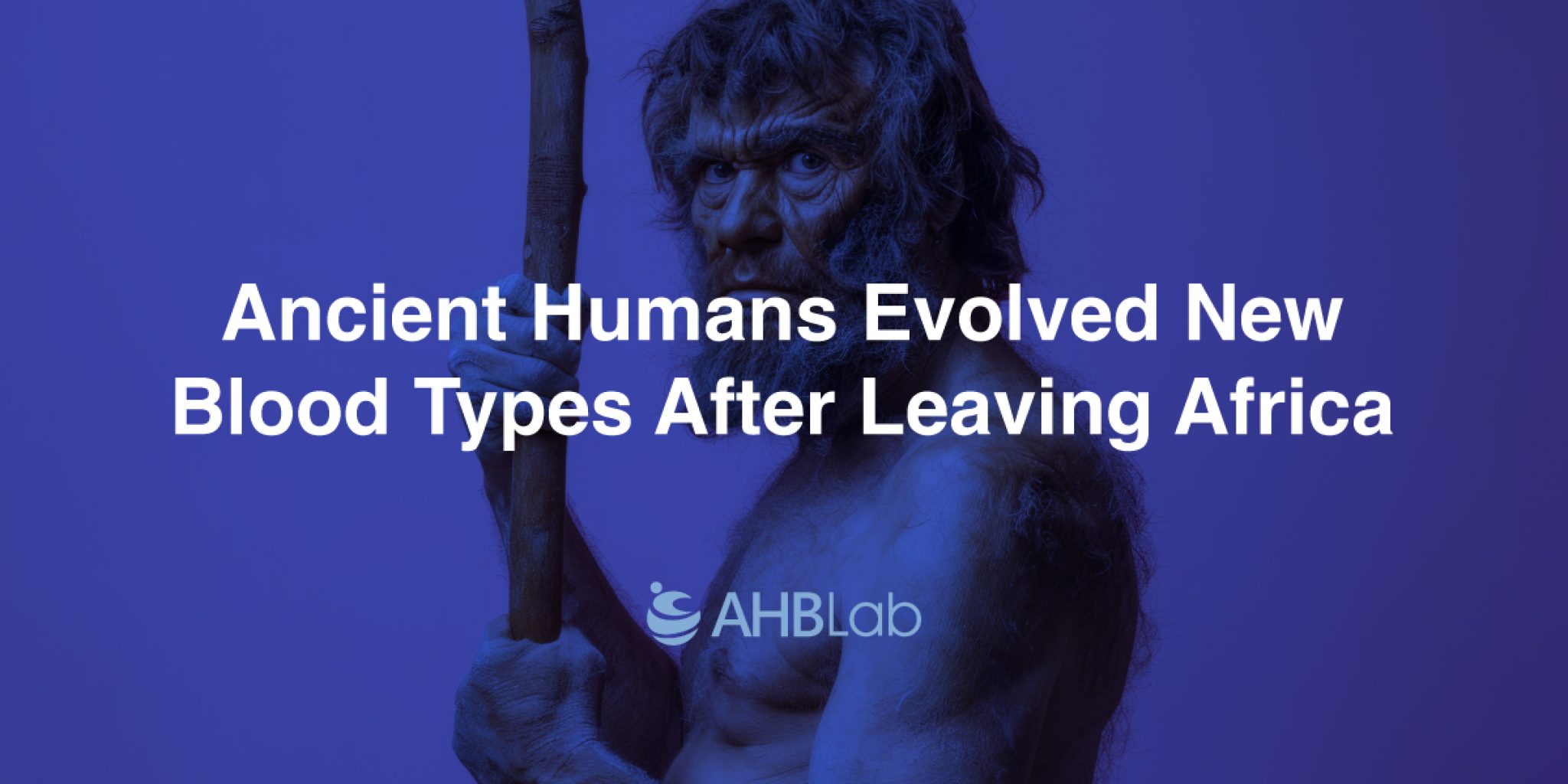
From a gene’s-eye view, blood types are so much more than the markers for transfusions; they act like an intricate map of human evolution and immune adaptation. A new genetic study, recently published in Scientific Reports, shines light on how blood types came to be in early modern humans and Neanderthals. It exposes how such variations helped ancient humans adapt to new environments and pathogens while out of Africa. The findings also highlight intriguing links between ancient blood groups and the genetic legacy that humans inherited from Neanderthals.
Blood Types: A Defense Against Disease
ABO blood types refer to the types of immune proteins on the surface of red blood cells, and each type has associated strengths and weaknesses regarding resistance to specific pathogens. People with type O blood are at an advantage in areas where the most virulent forms of malaria are common, but they are at greater risk from cholera. In human history, infectious disease has been a potent agent of natural selection that has shaped the population distribution of ABO blood types.
The Genetic Origins of Blood Types
To trace the origins of the blood types, scientists have now examined the ancient DNA of 22 Homo sapiens who lived between 46,000 and 16,500 years ago, 14 Neanderthals, and one Denisovan-Neanderthal hybrid. These samples from archaeological sites around Europe and Asia allow a view into how the blood types evolved when early humans migrated and interacted with various environments.
Neanderthal Blood Groups: A Static Legacy
The results of the study put forward that Neanderthal blood groups did not change much in the last 80,000 years of their existence. This lack of variation reflects their small, isolated populations, which had limited genetic diversity. Despite mingling with other hominin groups, Neanderthals maintained a stable blood group profile until their extinction around 40,000 years ago.
How Blood Types Evolved in Homo Sapiens
In contrast to Neanderthals, early modern humans showed remarkable genetic variation in blood groups. New genetic variants determining blood types emerged as Homo sapiens migrated out of Africa between 70,000 and 45,000 years ago. This diversity was driven by encounters with novel pathogens and environmental pressures.
A “Genetic Incubator” in the Persian Plateau
A genetic incubator: that was the role played by the Persian Plateau, the research study said. Migrating Homo sapiens spent almost 15,000 years going through the plateau, based on various archaeological records. This, over a period of time, established genetic mutations resulting in the emergence of new blood types within the migrant population. Once the resumption of journey to other parts of Eurasia was ensured for these humans, the same genes travelled, gradually acquiring immunities against different kinds of diseases.
The RHD DIII Type 4 Variant: A Neanderthal Contribution
The study also turned up evidence of interbreeding between early modern humans and Neanderthals. One such rare blood group variant, known as RHD DIII type 4, has its origins in Neanderthals and was donated to modern humans when the latter migrated into Southeast Asia more than 65,000 years ago. Such a variant would probably have given a good evolutionary advantage to humans in order to live and reproduce in alien environments. This condition also has modern implications in the fact that if a mother and baby have a mismatched blood type, pregnancy complications can arise, even unto death.
The Disappearance of Ancient Blood Variants
Some of the ancient blood group variants do not exist at all today. For example, the genome of a 45,000-year-old individual Homo sapiens from Siberia called Ust’Ishim, contained three variants of blood groups that are no longer present in humans today. This individual came from a “dead-end lineage” of Homo sapiens, whose genetic material was lost during the course of time.
Blood Types as an “Ancient Arsenal”
These blood groups that thrive in modern humans may have been an “ancient arsenal” against pathogens, enabling our ancestors to flourish in a wide range of environments. Yet many of the specific diseases these blood groups helped fight off have yet to be identified by scientists. The study emphasizes complexity both in the evolution of blood types and as a significant factor in the survival of humankind.
Future Directions: Probing Inherited Blood Diseases
This team of researchers is now looking at whether ancient genomes harbor mutations that contribute to inherited blood diseases, like beta thalassemia and sickle cell disease. The diseases are already thought to have ancient evolutionary roots, but the exact timing of their emergence is still little understood. “The question is, how far back do these mutations go?” says Stéphane Mazières, genetic anthropologist and lead researcher on the study.
Implications for Modern Medicine
These findings significantly enhance our knowledge of human evolution and also have applications to medicine today: for instance, the types of blood are crucial during transfusions and in pregnancy, while any insights into its ancient origin can apply to medical practice. Besides, the insight into genetics that underlines the ABO blood type might lead an investigator to discover a new path to fight some diseases that come up because of blood groups.
Conclusion
The story of the evolution of blood types is an intriguing one, full of the history of human adaptation. As ancient Homo sapiens left Africa to enter a whole new world of different environments, their blood types adapted to new challenges. These genetic changes reflect the resilience and ingenuity of our species, as well as the lasting impact of interactions with Neanderthals. The more genetic secrets of our ancestors are unveiled, the more one can learn to appreciate the complex play of forces at work as humanity made its journey across the globe.
At AHB Lab, we are committed to bringing you the latest in science and innovation. From how ancient humans evolved new blood types after leaving Africa to how much of your DNA actually comes from Neanderthals, we’re here to keep you in the know about the latest and greatest discoveries. Follow our channel for insights into the fascinating world of human evolution, genetics, and beyond!