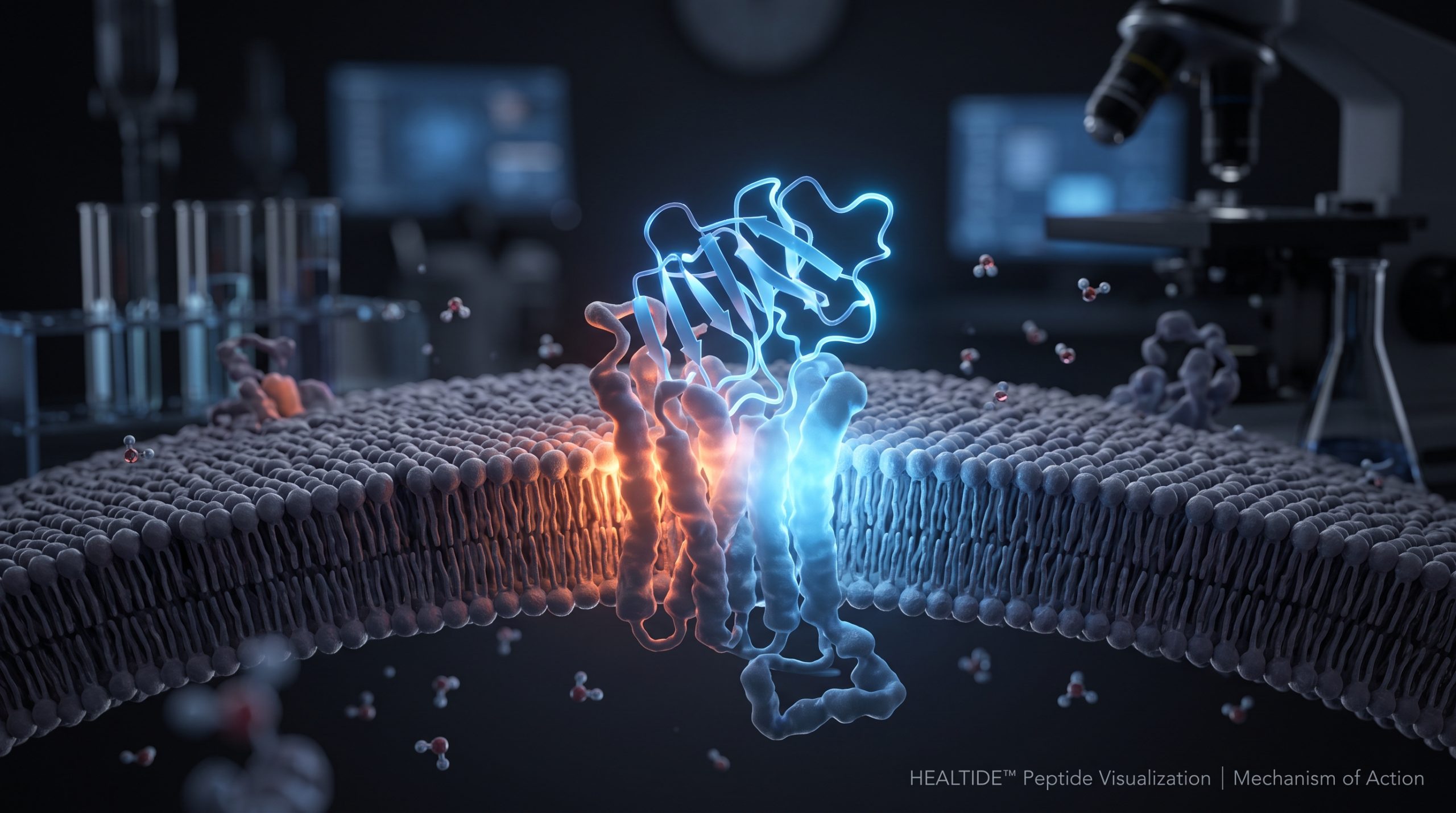
Peptide YY (PYY), a hormone traditionally known for its role in appetite regulation, has recently emerged as a key player in maintaining gut health and immunity. This new revelation, stemming from research at the University of Chicago, sheds light on the multifaceted functions of PYY, expanding our understanding of gut health and potential therapeutic approaches.
Understanding Peptide YY: More Than Just an Appetite Hormone
Peptide YY is produced in the gut’s endocrine cells and is a well-known regulator of satiety. This hormone signals to the body when enough food has been consumed, playing a crucial role in appetite management. However, the latest research unveils another critical function of PYY – its role as an antimicrobial peptide, particularly in balancing gut fungi in mammals.
Peptide YY’s Role in Immune Regulation
Eugene B. Chang, MD, the senior author from the University of Chicago, highlights the significance of this discovery. Previously, the regulation of fungi within our microbiome was not well-understood. Now, it’s clear that PYY is essential in maintaining a healthy fungal balance, ensuring these microorganisms remain in their commensal state, which is non-harmful to the gut.
The discovery of PYY’s additional function was initiated by Joseph Pierre, Ph.D., during his time in Chang’s lab. Pierre’s initial focus on the appetite-regulating aspects of PYY led him to uncover its antifungal properties, particularly against Candida albicans, a common gut fungus.
Peptide YY’s Antifungal Properties and Gut Health
Candida albicans, under normal circumstances, exists in a harmless yeast state in the gut. However, it can transform into a more virulent form, creating biofilms that lead to infections like thrush. The study found that a variant of PYY, expressed by Paneth cells in the small intestine, prevents this transformation, showcasing PYY’s crucial role in defending against harmful fungal changes.
Implications for Digestive Diseases
This finding is particularly relevant for individuals with digestive diseases like Crohn’s disease, where Paneth cells often function abnormally. This dysfunction could impact the balance of gut fungi due to altered PYY levels, suggesting potential new therapeutic targets for such conditions.

The Dual Functionality of Peptide YY
Peptide YY, often abbreviated as PYY, is a remarkable biological molecule that demonstrates nature’s ingenuity in functional versatility. This hormone, composed of a chain of 36 amino acids, exhibits a unique dual functionality based on its site of production within the body. When PYY is secreted by Paneth cells, specialized cells found in the lining of the gut, it assumes a crucial role in maintaining the balance of the gut microbiome. Here, it acts as an antifungal peptide, essential for suppressing harmful fungal overgrowths and ensuring a healthy gut environment.
In contrast, the endocrine cells of the gastrointestinal tract produce a slightly different form of PYY. This variant functions as a crucial satiety hormone, integral to the body’s appetite regulation system. It sends signals to the brain indicating that the body has consumed enough food, thereby helping to regulate food intake and prevent overeating. This aspect of PYY is particularly intriguing for its implications in understanding and potentially treating conditions related to appetite, such as obesity and eating disorders.
Moreover, the dual functionality of PYY is a vivid illustration of the adaptability and complexity of biological molecules. It reflects an evolutionary efficiency where a single molecule can fulfill multiple, distinct roles within the organism, adapting to different physiological contexts to perform essential functions.
Future Research and Potential Therapies
The recent advancements in understanding the roles and mechanisms of Peptide YY have been propelled by significant support from leading health and research institutions. The National Institutes of Health, the Kenneth Rainin Foundation, and the University of Chicago Gastrointestinal Research Foundation have all played pivotal roles in funding and facilitating this groundbreaking research.
This comprehensive study of PYY not only deepens our understanding of gut hormones but also opens new avenues for medical research and potential therapeutic applications. The dual role of PYY in both gut health and appetite regulation positions it as a potential target for developing treatments for a wide array of health conditions. For instance, its role in appetite regulation presents opportunities for novel approaches to managing obesity and related metabolic disorders. Similarly, its function in maintaining gut health could lead to new treatments for gastrointestinal diseases and disorders where the microbiome is disrupted.
Furthermore, the exploration into the functions of PYY is likely to have broader implications for our understanding of the human microbiome and its impact on overall health. It encourages researchers to consider how gut hormones interact with other systems in the body, potentially leading to innovative approaches in treating and managing chronic diseases like diabetes, cardiovascular issues, and immune dysfunctions. The ongoing research into PYY and similar molecules might also contribute significantly to the development of personalized medicine, where treatments could be tailored based on an individual’s specific hormonal and microbiome profile.
Conclusion: Peptide YY’s Emerging Importance in Gut Health
The discovery of Peptide YY’s dual role in appetite regulation and immune response highlights the intricate interplay between various bodily functions. It not only deepens our understanding of gut health but also offers promising insights for future therapeutic approaches in treating digestive diseases and maintaining overall well-being.
As we continue to explore the fascinating world of bioscience, particularly the groundbreaking roles of molecules like Peptide YY, AHB Lab remains at the forefront of these innovations. Our expertise in developing advanced biosynthetic peptides through our unique Synthetic Biology Peptidomimetic Platform (SBPP) places us at the cutting edge of biotechnological advancements. At AHB Lab, we are not just about pioneering in biotech; we’re about bringing transformative solutions to real-world health challenges. Stay tuned for more insights and updates, as we are committed to keeping you informed about the latest developments in the industry.