In the diverse tapestry of nature, few plants capture the imagination like the Nepenthes khasiana, a remarkable pitcher plant native to Southeast Asia and Australia. This botanical wonder has evolved an ingenious mechanism for survival, turning to a macabre but fascinating method of nutrient intake. Recent studies have shed light on its unique ability to lure and trap insects, revealing a world where flora and fauna interact in a delicate, yet deadly dance. This article delves into the secrets of the Nepenthes khasiana, exploring its survival strategies and the recent scientific discoveries that have put this plant under the spotlight.
The Pitcher Plant’s Unique Habitat
Thriving in nutrient-poor soils, the Nepenthes khasiana is a testament to nature’s adaptability. These areas, typically deficient in nitrogen – a crucial element for plant growth – have pushed the Nepenthes to evolve a carnivorous lifestyle. The plant’s natural habitat spans the tropical regions of Southeast Asia and Australia, where it stands as a silent predator amidst lush greenery. The scarcity of essential nutrients in these regions has led to the development of its unique trapping mechanism, a fascinating example of evolutionary innovation in response to environmental challenges.

Anatomy of a Trap of Nepenthes Khasiana
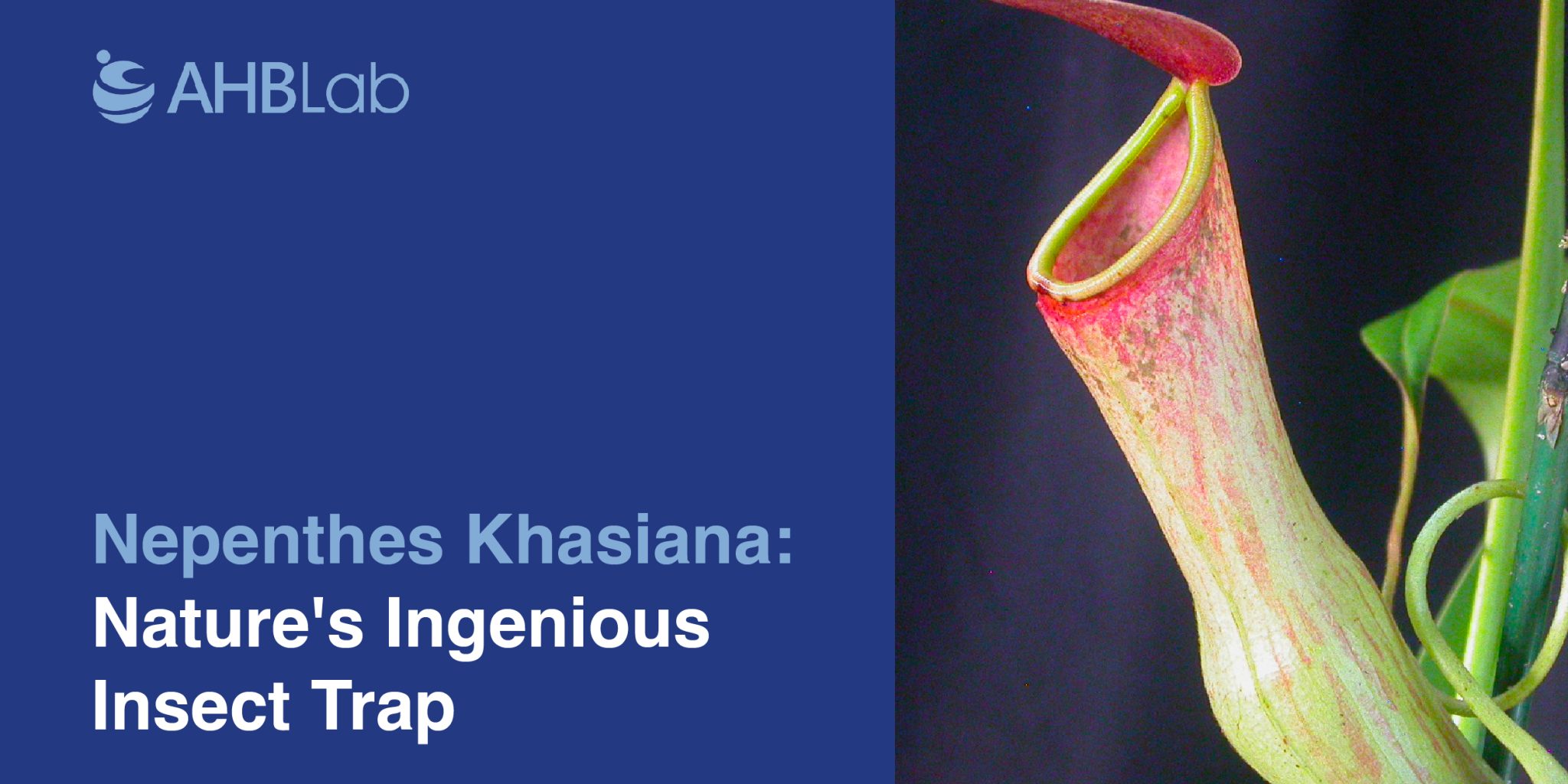
The Nepenthes khasiana’s most defining feature is its bulbous trap, a specialized leaf modification designed to capture and digest insects. This trap, often mistaken for a flower, is a marvel of natural engineering. It secretes a sweet, intoxicating nectar, irresistible to many insects, especially ants. The nectar serves as both a lure and a potential intoxicant, as recent studies suggest it contains a neurotoxin that impairs the insects’ motor functions. The slippery walls and digestive fluids inside the trap ensure that once prey falls in, escape is nearly impossible.
The Neurotoxic Nectar: A New Discovery
A groundbreaking study, yet to be peer-reviewed and published on bioRxiv, has unveiled a new layer of complexity in the Nepenthes khasiana’s hunting strategy. The nectar, previously thought to be a simple attractant, is now believed to contain (+)–isoshinanolone, a compound that disrupts the enzyme acetylcholinesterase. This enzyme is critical for normal nerve function in insects, and its inhibition can lead to impaired locomotion, making the insects clumsy and prone to falling into the trap. This discovery has sparked a renewed interest in the plant, with scientists eager to unravel more about this sophisticated mechanism.
Scientific Debate and Further Research
The revelation of the Nepenthes khasiana’s neurotoxic nectar has opened up debates among scientists. While some, like Ulrike Bauer, see the possibility of the nectar acting as a drug, they call for more definitive evidence linking the neurotoxin to the insects’ demise. The method of nectar collection and its analysis has also come under scrutiny, with experts suggesting that future studies should confirm the presence of the neurotoxin in the nectar actually consumed by the insects. This points to a broader need for in-depth research, particularly observational studies on the behavior of live ants after nectar consumption.
The Ecological Significance and Conclusion
The study of the Nepenthes khasiana extends beyond mere curiosity. It offers insights into the complex interplay between plants and insects, an area of ecology that reveals much about survival strategies in nature. Understanding how this pitcher plant has adapted to its environment not only fascinates scientists but also provides a window into the broader dynamics of ecosystems. As we continue to explore the secrets of the Nepenthes khasiana, we are reminded of the endless wonders hidden in the natural world and the ongoing journey of discovery that awaits us.
In conclusion, the Nepenthes khasiana is more than a plant; it’s a symbol of nature’s ingenuity and adaptability. The recent discoveries around its neurotoxic nectar have added another layer to our understanding of this fascinating species, opening up new avenues for research and deepening our appreciation for the intricate relationships within ecosystems. As we delve further into its mysteries, the Nepenthes khasiana continues to intrigue and inspire, a true marvel of the natural world.
Exploring Nature’s Wonders with AHB Lab: Your Partner in Peptide Innovation
In the realm of scientific exploration and innovation, AHB Lab stands out as a leading peptide manufacturer, deeply committed to unraveling the mysteries of the natural world and harnessing its potential. Our expertise in peptide synthesis and design is inspired by nature’s own ingenious mechanisms, much like those found in the Nepenthes khasiana. We believe in the power of peptides to revolutionize fields ranging from medicine to biotechnology. By subscribing to our blog, you will receive insightful updates that not only highlight our breakthroughs and products but also delve into fascinating natural phenomena that inspire our work. Join us at AHB Lab as we bridge the gap between nature’s genius and human innovation, creating peptides that pave the way for a healthier and more sustainable future. Stay connected with us for a journey through the forefront of peptide science and technology.