Peptide: The Building Blocks of Life
Peptides are short chains of amino acids that are linked together, and they play a crucial role in the biological functions of living organisms. They are smaller than proteins and easier for the body to absorb, which allows them to perform a variety of functions, including acting as neurotransmitters, hormones, or antimicrobial agents. One such peptide that has recently come under the scientific spotlight is Peptide YY(PYY), a hormone produced in the gut.
The Intricate World of the Gut Microbiome
The gut microbiome, an intricate ecosystem of microorganisms residing in our digestive tract, is a crucial determinant of our overall health. Recent research has brought to light the significant contribution of Peptide YY to the health of this gut microbiome. This peptide is instrumental in maintaining gut health and plays a pivotal role in controlling appetite.

A Hormone with Antimicrobial Properties
Produced by endocrine cells in the gut, Peptide YY was already recognized for its role in signaling satiety, or the feeling of fullness after eating. However, recent studies have unveiled another crucial function of this peptide. It also acts as an antimicrobial agent, maintaining the balance of fungi in the digestive system of mammals.
How Does Peptide YY Work?
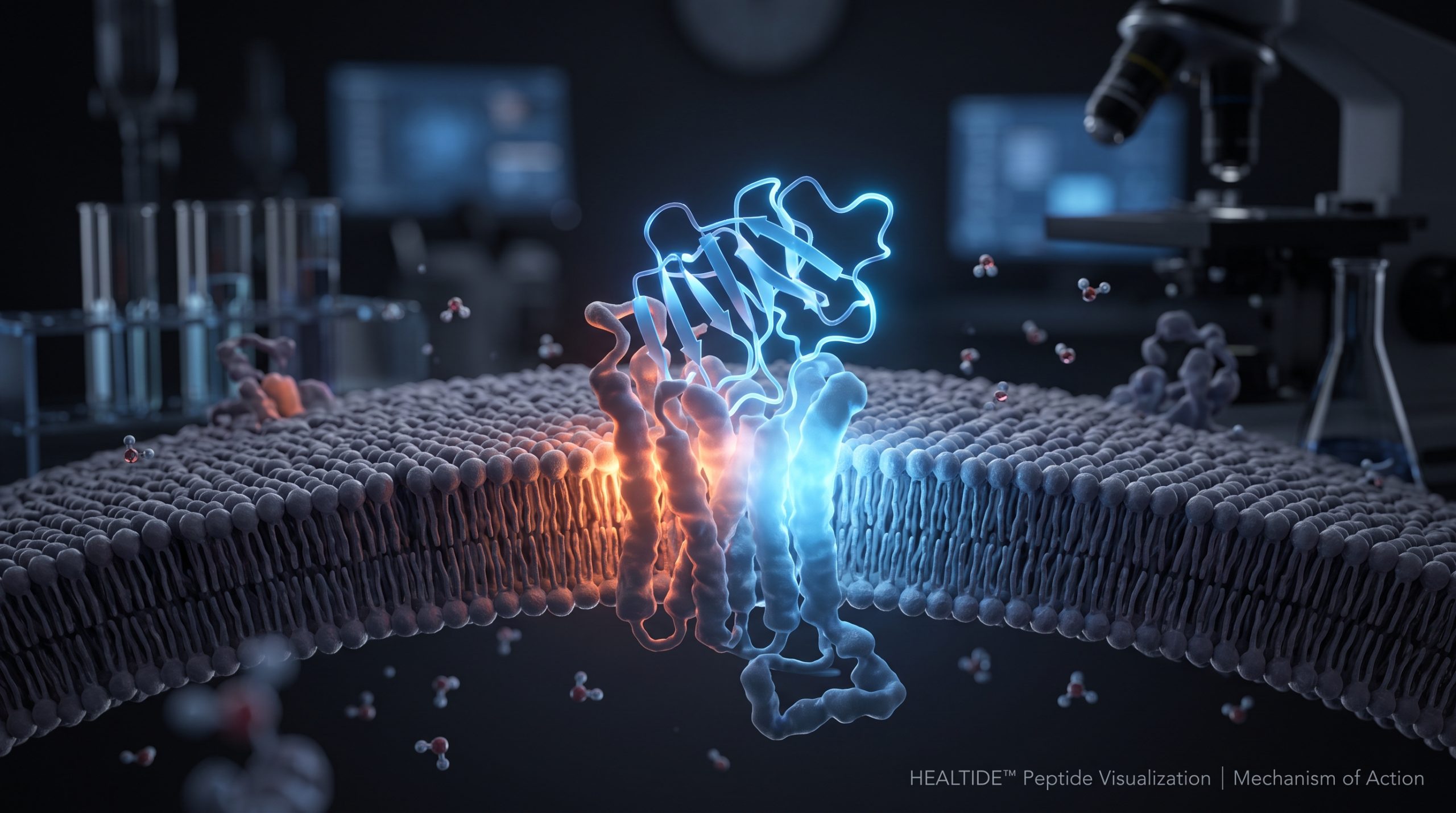
Peptides like Peptide YY work by interacting with specific receptors on the surface of cells. When Peptide YY binds to its receptor, it triggers a series of biochemical reactions inside the cell. In the case of appetite control, Peptide YY is released in response to food intake and binds to receptors in the brain that signal satiety, leading to a decrease in appetite. As an antimicrobial agent, Peptide YY can disrupt the cell membranes of fungi, preventing their growth and proliferation.
The Dual Role of this Gut Hormone in Health
In a study titled “Peptide YY: a Paneth cell antimicrobial peptide that maintains Candida gut commensalism,” researchers discovered that this peptide prevents the fungus Candida albicans from turning into its more virulent form. This discovery shows that the peptide allows commensal yeast forms of C. albicans to flourish while keeping its more dangerous forms in check.
Regulating the Fungal Side of the Gut Microbiome
The term ‘mycobiome’ refers to the fungal side of the gut microbiome. The study found that this peptide, present in Paneth cells, plays a significant role in regulating the mycobiome. Paneth cells are crucial immune system defenders in the gut of mammals, secreting several antimicrobial compounds to prevent dangerous bacteria from flourishing.
The Gut Hormone and Its Role in Fungal Infections
The newly discovered function of PYY may play a role in digestive diseases as well. Patients with Crohn’s disease of the ileum often have dysfunctional Paneth cells. This dysfunction, and lack of the peptide, could create an environment for fungi to overgrow and trigger the onset of disease.
The Gut Hormone in the Context of Appetite Control
The peptide is not only an effective antifungal agent but also plays a significant role in appetite control. When endocrine cells produce the peptides, an enzyme clips off two amino acids to turn it into a hormone that can travel through the bloodstream and signal to the brain that the body is not hungry. This dual function of the peptide is a remarkable example of the efficiency of nature.

The Future of Gut Health Research
The discovery of the dual role of this peptide in gut health and appetite control opens up new avenues for research. Understanding the mechanisms through which this peptide operates could lead to the development of new treatments for gut-related diseases and disorders related to appetite control. The wisdom and beauty of nature continue to surprise us, and further research on this peptide may reveal more about its functions and potential applications in maintaining gut health and controlling appetite.
AHB Lab: Pioneers in Peptide Innovation
At the forefront of peptides research and development is AHB Lab, a company that has developed the Synthetic Biology Peptidomimetics Platform (SBPP). This innovative platform is a genetic recombinant engineering technology that utilizes a rapid mass production system to produce more than 10,000 ppm of protein containing multiple sets of effective bioactive peptides. The SBPP uses endotoxin-free E. coli or edible pharmaceutical grade yeast for fermentation, followed by protease hydrolysis technology to hydrolyze specific peptides from the protein, which are then purified and refined to achieve high precision and high concentration of the final product.
The biosynthetic peptides produced by AHB Lab are embedded in a special carrier to form a natural barrier for avoiding gastric acid destruction until the small intestine, where they are completely absorbed in the duodenum or small intestine. This innovative platform is designed to solve the problem of oral absorption and bioavailability, making it a game-changer in the field of peptides research and development.
Behind the success of AHB Lab is a team of dedicated and highly skilled professionals who are committed to pushing the boundaries of peptides research. The team’s expertise and dedication have made AHB Lab a leader in the field, capable of developing any function peptides as per the needs of the clients. With AHB Lab, the future of peptides research looks promising.