The Emergence of Xenobots: A New Era in Science
In a groundbreaking scientific endeavor that blurs the line between life and machine, a team of researchers from the University of Vermont and Tufts University have created a new class of life forms known as “xenobots”. These living machines, constructed from the cells of frog embryos, are capable of moving, carrying payloads, and self-repairing after damage. This remarkable achievement represents a significant leap forward in both biological and computational science, opening up a world of possibilities for the future.

Figure Source: “A scalable pipeline for designing reconfigurable organisms”, published in Proceedings of the National Academy of Sciences (PNAS). Copyright © [2020], PNAS. Used under noncommercial and educational use policy.
Understanding Xenobots: A New Category of Life
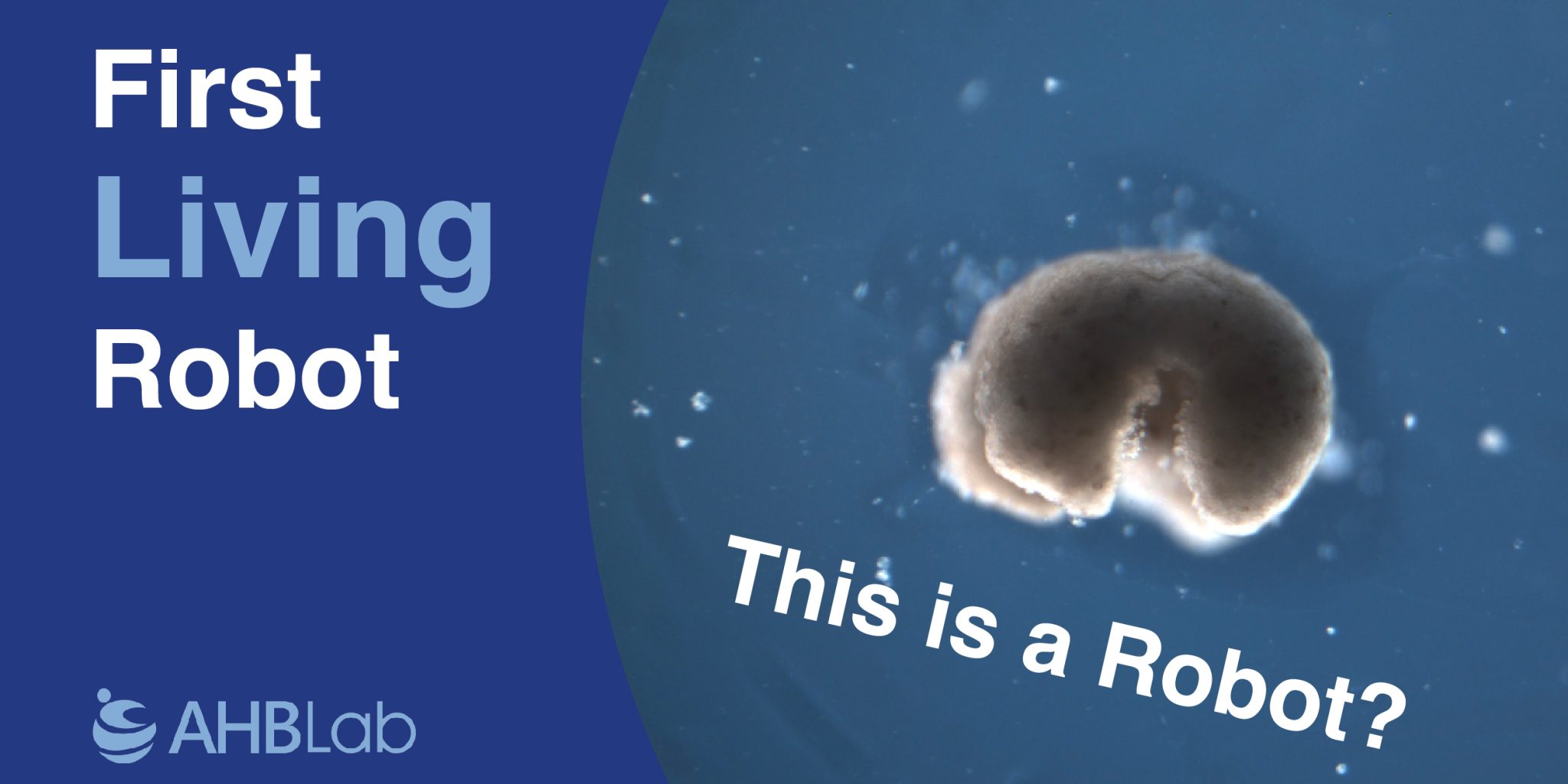
The term “xenobots” comes from the African frog species Xenopus laevis, from which the cells used to create these organisms are derived. However, these entities are neither traditional robots nor known species of animals. Instead, they represent a new category of artifact: a living, programmable organism. This marks the first instance of designing completely biological machines from scratch, a feat that has never been accomplished before.
The design of the xenobots.
Image credits Sam Kriegman, Douglas Blackiston, Michael Levin, Josh Bongard, (2020), PNAS.
The Design Process: Creating Life from Scratch
The design process of these xenobots was a complex and intricate task. It involved the use of the Deep Green supercomputer cluster at the University of Vermont. An evolutionary algorithm was employed to generate thousands of potential body forms. Each design was a unique combination of a few hundred simulated cells, assembled in a way that would allow the xenobot to perform a specific task, such as moving in a particular direction.
From Design to Reality: The Birth of Xenobots
The most promising designs were then selected and brought to life by a team at Tufts University. The cells were assembled under a microscope to closely match the computer-generated designs. This process required a high degree of precision and skill, as the cells had to be cut and joined together in a way that would allow them to function as a coherent organism.
The Functionality of Xenobots: A Testament to Biological Systems
Once assembled, the cells began to work together in a way that was truly remarkable. They formed a passive skin-like layer and synchronized the contractions of their muscle cells to enable movement. The xenobots were able to move coherently for days or weeks, powered by embryonic energy stores. This level of functionality was a testament to the power of biological systems and the potential they hold for creating new forms of life.
In addition to their ability to move, the xenobots also demonstrated a surprising level of collective behavior. They were observed moving in circles and pushing pellets into a central location. This behavior was not programmed into them, but rather emerged spontaneously, further highlighting the complexity and adaptability of biological systems.
The Implications of Xenobots: A New Understanding of Life
The creation of the xenobots has significant implications for our understanding of how cells communicate and connect. It provides valuable insights into the complex processes that enable cells to work together to form functional organisms. This knowledge could be used to develop more effective treatments for diseases, create more efficient biofuels, and even help us understand the origins of life itself.
The potential applications of xenobots are vast and varied. They could be used for intelligent drug delivery, carrying medicines directly to the cells that need them. They could also be used for environmental clean-up tasks, such as gathering microplastics in the oceans or removing radioactive contamination. These applications are just the tip of the iceberg, and as our understanding of these organisms grows, so too will the range of potential uses.
However, the researchers also acknowledge the potential risks and unintended consequences of manipulating complex biological systems. They emphasize the need for society to better understand these systems and how to manipulate them to achieve desired behaviors. The creation of the xenobots is seen as a contribution towards this goal, providing a tangible example of what can be achieved through the manipulation of biological systems.

A manufactured quadruped organism, 650-750 microns in diameter.
Image credits Douglas Blackiston / Tufts University.
The Future of Biological Engineering
The research, titled “A scalable pipeline for designing reconfigurable organisms”, has been published in the journal Proceedings of the National Academy of Sciences. This publication marks a significant milestone in the field of biological engineering, and sets the stage for a future where the boundaries between life and machine become increasingly blurred.
Conclusion: The Brave New World of Xenobots
In conclusion, the creation of the xenobots represents a significant step forward in our understanding of life and our ability to manipulate it. It opens up a world of possibilities for the future, from intelligent drug delivery to environmental clean-up. However, it also serves as a reminder of the complexities and potential risks involved in manipulating biological systems. As we move forward into this brave new world, it is crucial that we proceed with caution, ensuring that our actions are guided by a deep understanding of the systems we are manipulating and the potential consequences of our actions.
At AHB Lab, we are at the forefront of biosynthetic technology, pioneering the development and supply of novel biosynthetic peptides and their commercialized products. Our proprietary Synthetic Biology Peptidomimetic Platform (SBPP) allows us to produce a wide range of peptides in a cost-effective and high-yield manner. We envision a future where biosynthetic technology, like the creation of xenobots, can be harnessed for a variety of applications, from healthcare to environmental conservation. As we continue to unlock the secrets of biosynthesis, we remain committed to pushing the boundaries of what is possible, creating tomorrow’s solutions today.