Introduction
When bacteria found in plaque produce acid that harms the tooth, dental caries begin to form. Dental cavities must be avoided by maintaining tooth minerals and managing oral bacteria biofilms. Antibiotics should not be used to treat dental caries since overuse could lead to bacterial resistance and change the flora of the mouth and intestines. In addition, antibiotics lack remineralizing capabilities to aid in controlling dental caries and are frequently only momentarily beneficial due to changes in the oral environment.
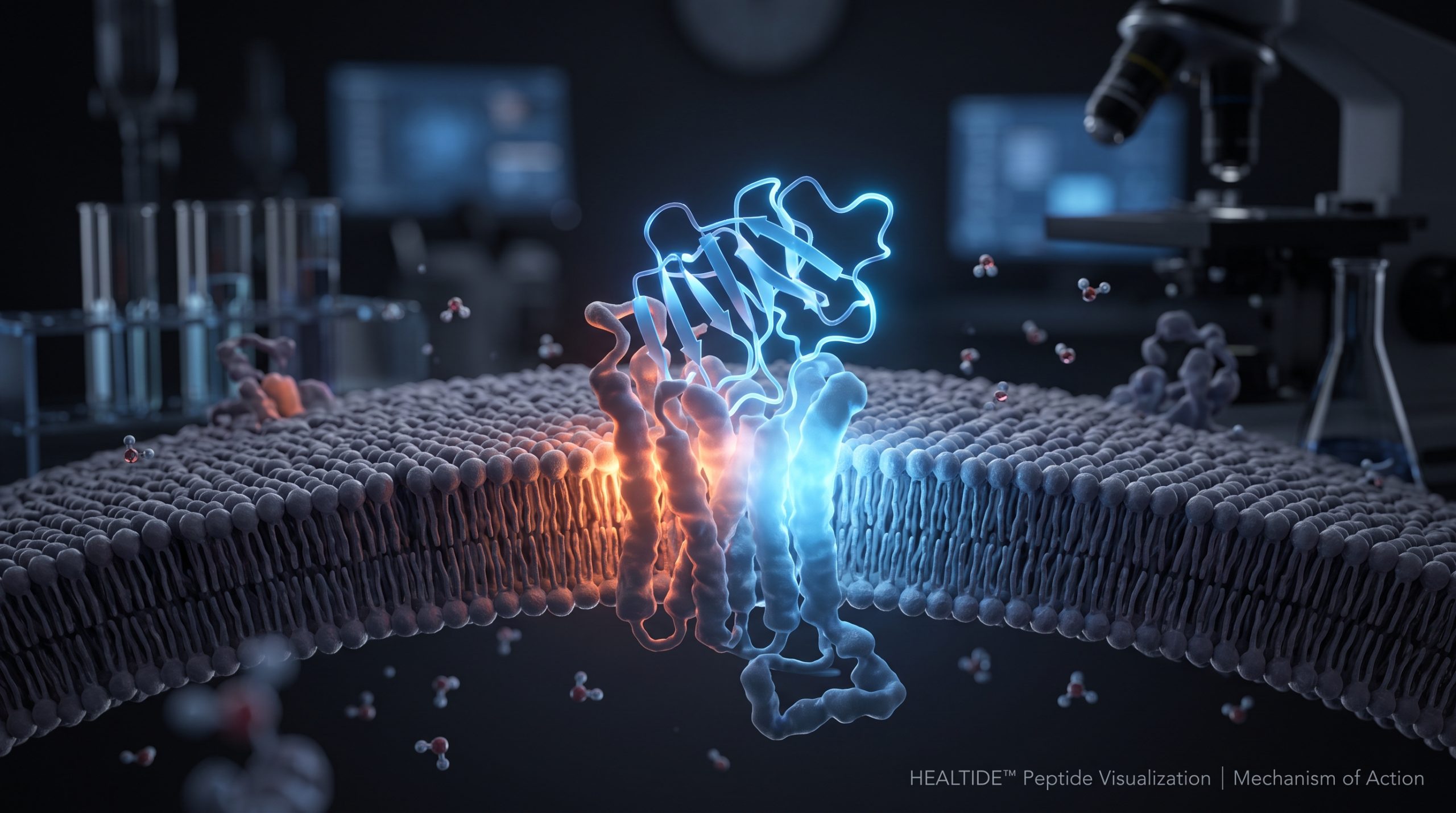
Therefore, to manage caries, researchers are looking for alternate antimicrobial drugs to control biofilm. According to a groundbreaking study, antimicrobial dental care oral peptide can target pathogens and maintain healthy oral microbiota.
Antimicrobial peptides
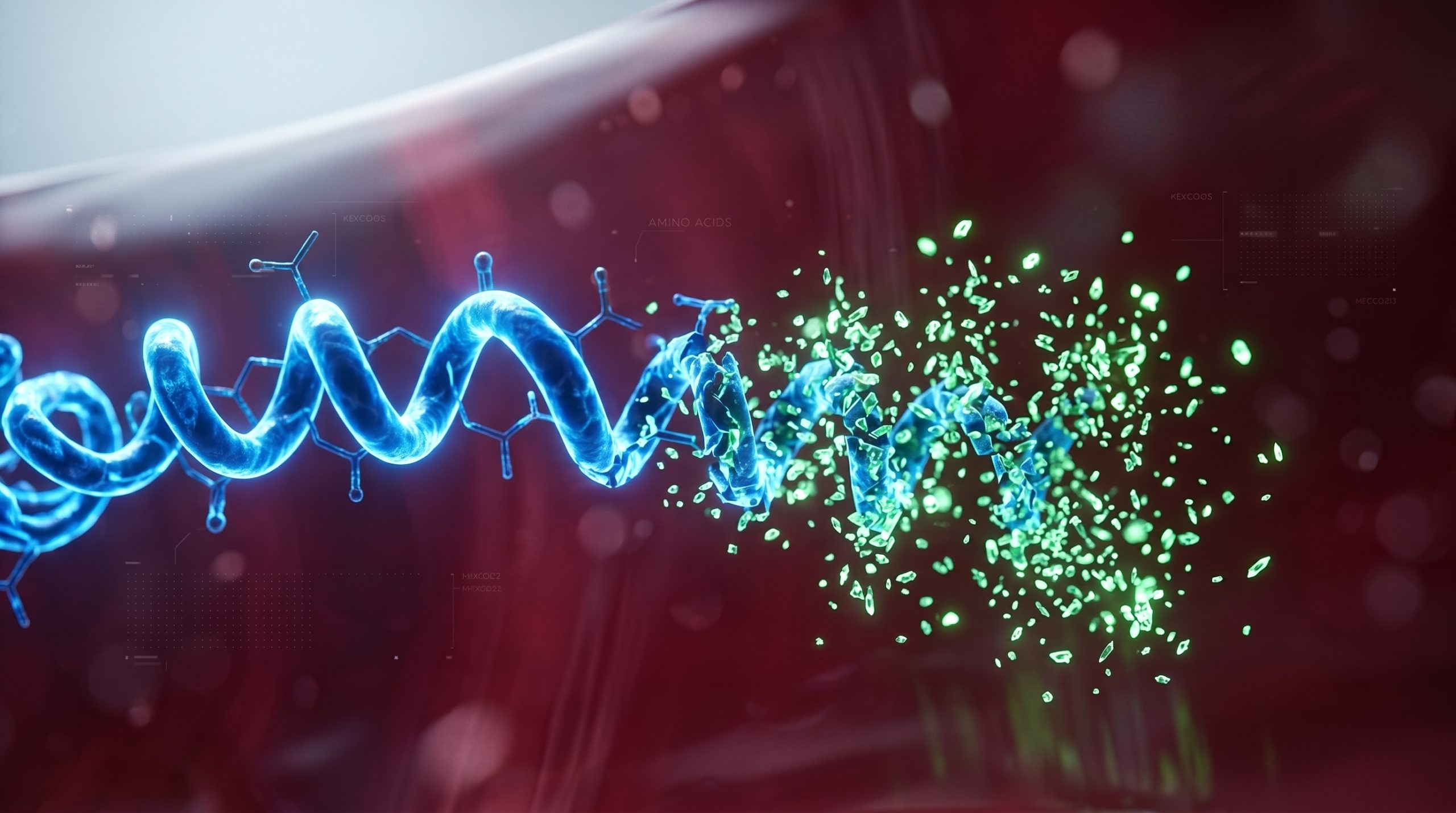
Peptides with antimicrobial, antiviral, or antifungal properties are naturally occurring protein molecules. Antimicrobial peptides are typically amphipathic and cationic. Antimicrobial peptides can enter cells, break the cytoplasmic membrane, and bind intracellular substances. Additionally, they can obstruct the creation of proteins and cell walls. Synthetic antimicrobial peptides may promote oral and general health in a secure, efficient, and ecologically sound way, making them a viable replacement for conventional antimicrobial medication. Antimicrobial peptides also hold considerable promise for treating and preventing dental caries since they are easily applied to the mouth cavity to kill bacteria and fungi. To create new oral antimicrobial medicines, antimicrobial peptides have emerged as intriguing options lately by oral health supplements supplier USA.
Composition of peptides
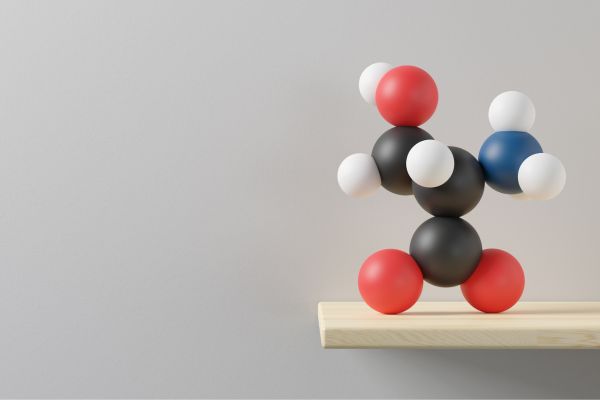
A peptide’s structure comprises a few amino acids connected in brief chains called oligopeptides. A backbone and side chains make up the two basic components of these chains. A repeating sequence of amino acids forms the backbone, which has a significant capacity for hydrogen bonding. Functional groups sag off the backbone to form many side chains. Salivary calcium and phosphate ions enhance the peptide backbone’s ability to form hydrogen bonds. After that, the side chains combine to create a matrix that resembles remineralized enamel.
The experimental study discovered that specific amino acid constituents aid in crystal formation and stabilization, which may result in a denser and more durable enamel-like foundation. The newly produced amino acid peptides were placed in stable nano-spherical groups to build a dense, threadlike foundation that mimicked the enamel structure and controlled hydroxyapatite’s crystallization. The parallel alignment of the newly created crystalline structure’s aprismatic forms closely resembles the enamel tooth structure.
The size of the apatite crystals influences the characteristics of the remineralized enamel. Smaller crystals show a statistically significant increase in hardness and wear resistance over bigger crystals. The enamel’s special configuration of apatite crystals offers clinically improved resistance against acids attempting to penetrate the tooth structure. Using a peptide that resembles the amino acid residues that give enamel its crystalline structure, it was possible to simulate enamel regeneration in cavitated teeth.
AGRP dental care peptide
Maintaining good oral hygiene is the best defence against cavities. Over the past 50 years, brushing and flossing have helped many Americans considerably lower their risk of developing cavities. However, the study found that some socioeconomic groups experience this condition more severely than others. Additionally, new studies from the Centres for Illness Control and Prevention indicate that dental caries are becoming more common among Americans. They suggest that the fight against this illness has stalled.
Theoped a method to restore tooth enamel by drawing inspiration from the body’s naturally occurring tooth-forming proteins. The unique “SBPP Platform” of AHB-Lab created and manufactured the biosynthetic peptide material known as AGRP peptide using a fermentation method. To treat oral mucosal illness and periodontal disease, the particular AGRP peptide is purified and refined to achieve high precision sequence and high concentration. This trademarked peptide lowers inflammation, enhances the proliferation of oral epithelial cells, and encourages collagen formation.
- Stimulates the synthesis of fibronectin and collagen
- Encourages the synthesis of collagen I in human fibroblasts and chondrocytes for use in the regenerating gum tissue.
- Encourages the development of oral epithelial cells for use in repairing oral wounds
- Defends oral epithelial cells against harm brought on by free radicals
- Shows in vivo and in vitro models that it has anti-inflammatory properties
- Decrease in periodontal disease symptoms.
- The oral mucosa of cancer chemotherapy patients will mend and repair more quickly. They will also have less discomfort and irritation.
How the mouth is positioned
A unique area is the mouth cavity. The oral mucosa must be a barrier between the internal and exterior environments to protect the various bacteria species in this warm, wet environment. Only the oral cavity has an epithelial surface that hard tissues can penetrate. An exclusive type of periodontal epithelium surrounds and closes off each tooth. Due to the tissue’s frequent exposure to the bacterial biofilm (dental plaque) that accumulates on the tooth surface when the soft tissue meets the tooth. This particular position presents unique challenges to the tissue.
It results in specific periodontal disease-related vulnerabilities. Therefore, inflammation and infection brought on by bacteria are harmful in this anatomical region. Biosynthetic peptides are vital in maintaining the delicate balance between health and illness in this complex environment.
Several salivary antimicrobial dental care oral peptide are among them, including the Cathelicidin LL-37, expressed in both neutrophils and- defensins, expressed in both the epithelium and neutrophils. These peptides are a part of the host’s innate immune response in this situation. Epithelia, polymorphonuclear leukocytes (neutrophils), and saliva all have overlapping but distinct roles in preserving the health of the oral cavity.
Conclusion
Modern dentistry has been paying more and more attention to using peptides. According to a study by AHB-Lab, peptides have a variety of dental applications. It includes collagen synthesis, promoting the growth of oral epithelial cells, and lowering inflammation. Researchers are looking into various application strategies and assessing how well these agents work to treat demineralized enamel due to recent and growing research that demonstrates the promise of biogenic peptides in oral healthcare.
Last but not least, the AGRP dental care peptide may replace inert materials or therapies with recombinant proteins and growth factors, which are already heavily used in dental practice, as a more widely available therapy for treating injured oral tissues.