Introduction
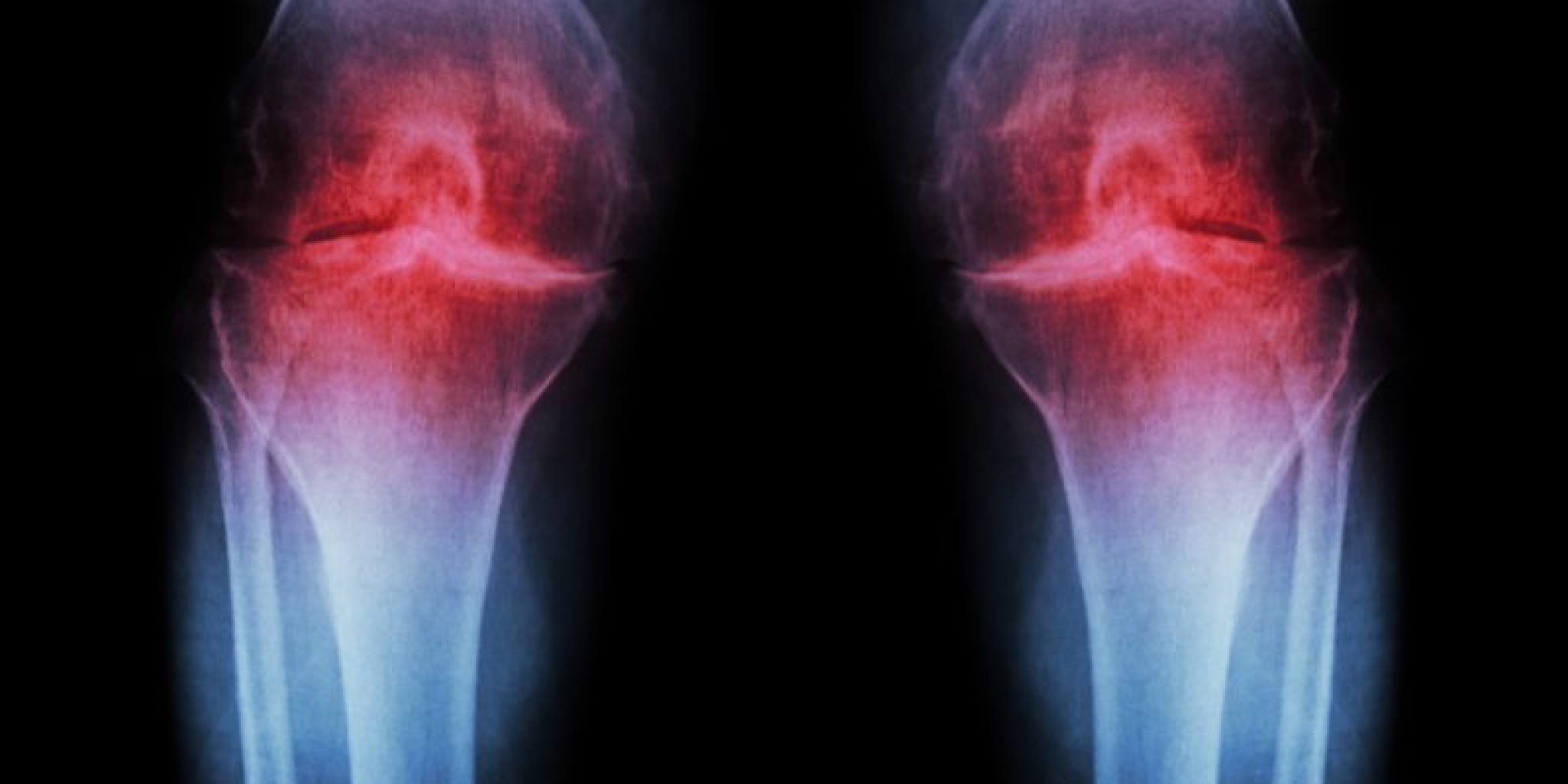
The hand, hip, and knee are the joints most frequently afflicted by osteoarthritis (OA), which is the most common degenerative progressive joint disease worldwide. In reality, there is no cure for OA. Thus, therapy focuses on managing the symptoms and restoring function. Numerous clinical investigations have demonstrated a significant reduction in pain and improvement in mobility in osteoarthritis patients who takes osteoarthritis supplements with bioactive collagen peptide (BCP). The osteoarthritis influenced this outcome supplements high bioavailability and their stimulatory effect on extracellular matrix production.
What exactly is collagen?
All animals, including humans, naturally have the protein called collagen. It makes up around a third of the body’s total protein supply, making it the most abundant type of protein. Collagen, however, plays a more important role than giving skin a firmer appearance and feel. It also serves a plethora of other crucial purposes all across the body.
From your tendons to your gums, collagen protein constitutes most hard and soft tissues. Along with blood vessels, corneas, and teeth, it is also in bones, skin, and ligaments. While it’s usually recognized for giving your skin structure, it also plays a crucial role in aiding blood clotting.
How does collagen function?
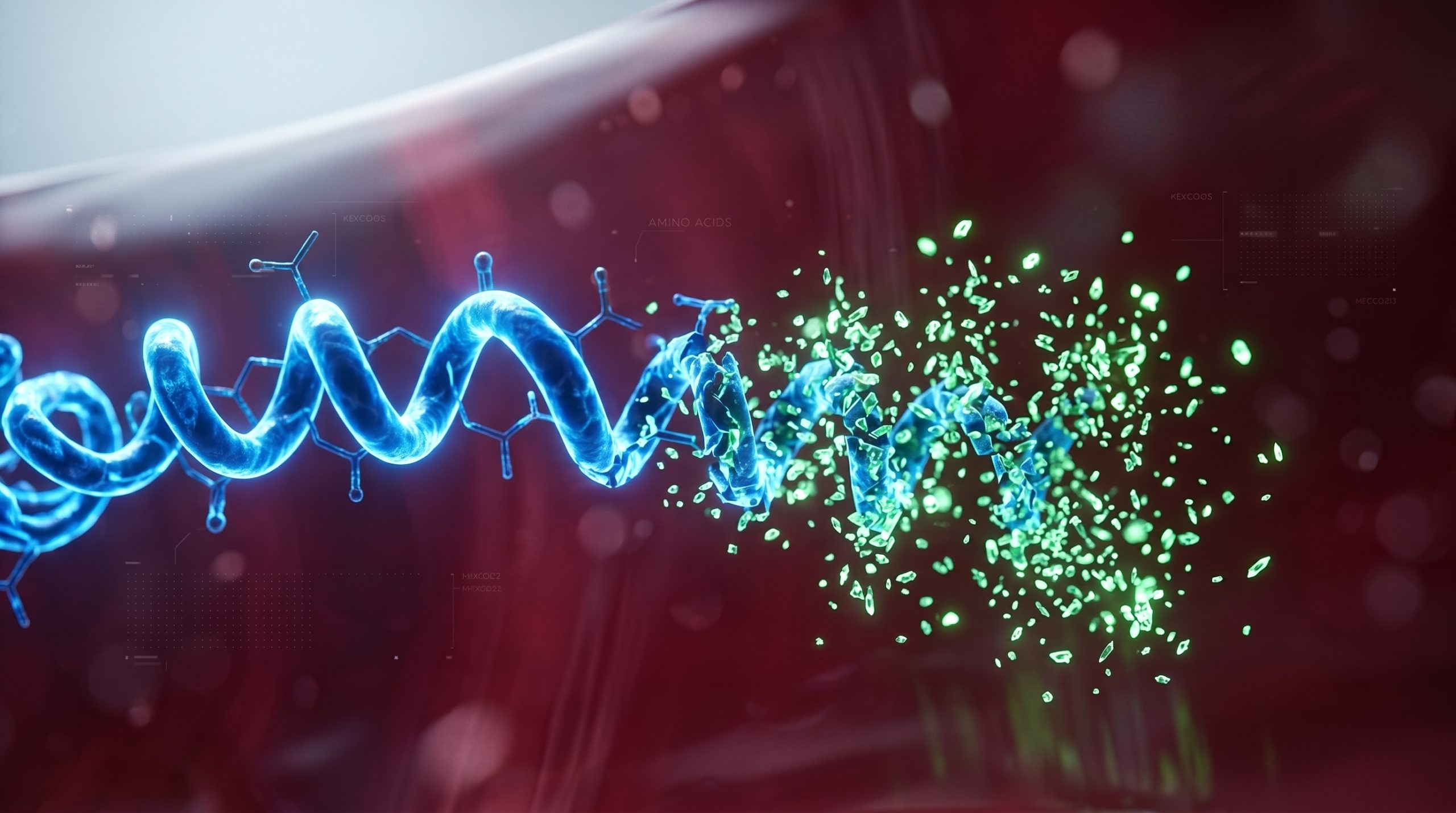
Scientists speculate that collagen’s ability to prevent wrinkles may be because it breaks down into short chains of amino acids and peptides, albeit the precise molecular mechanisms are yet unknown. Amino acid and peptide fragments from collagen breakdown in the digestive tract are absorbed into the bloodstream. This then starts the body’s normal process of producing collagen for the skin.
Your skin uses collagen as a flexible scaffold to keep itself together, give it shape, and recover from damage. Additionally, it contributes to the health of the scalp, promoting thick, strong hair growth and preventing the breaking and peeling of the nails. Chemically, collagen comprises strong chains of amino acids tightly bonded to form a rope-like structure. The strength and plumpness of young, healthy skin result from these sturdy chains.
As they develop, babies, kids, and teenagers create collagen at a rapid rate. Their skin is smooth and wrinkle-free in part due to this. Our bodies gradually stop producing collagen as we age, which is evident in symptoms like wrinkles, sagging skin, thinning hair, and weak, brittle nails.
Collagen Types
There are numerous forms of collagen in your body. Twenty-nine different variants, including these five primary types, have been identified by researchers.
- Your skin, bones, ligaments, and tendons benefit from type I, which is stronger.
- Type 2 collagen peptides are flexible and help support your joints,
- Type III, which is present in your muscles, blood vessels, and internal organs
- Some layers of your skin include Type IV.
- Your corneas, as well as some skin and hair layers, contain Type V.
Varieties I, II, and III collagen, which comprise most of your body’s collagen, are present in most collagen supplements. They include collagen peptides, or hydrolyzed collagen, a kind of ingestible collagen.
The tissues used to make these food supplements are from pigs, cows, fish, or birds. Vegan collagen powders made from yeast and bacteria are also available. But it’s unknown to experts whether they have the same potential benefits as collagen made from animal sources.
How does collagen function?
Scientists speculate that collagen’s ability to prevent wrinkles may be because it breaks down into short chains of amino acids and peptides, albeit the precise molecular mechanisms are yet unknown. Collagen breakdown in the gastrointestinal tract results in the absorption of amino acid and peptide fragments into the circulation. This then starts the body’s normal process of producing collagen for the skin.
Your skin uses collagen as a flexible scaffold to keep itself together, give it shape, and recover from damage. Additionally, it contributes to the health of the scalp, promoting thick, strong hair growth and preventing the breaking and peeling of the nails. Chemically, collagen comprises strong chains of amino acids tightly bonded to form a rope-like structure. The strength and plumpness of young, healthy skin result from these sturdy chains.
As they develop, babies, kids, and teenagers create collagen at a rapid rate. Their skin is smooth and wrinkle-free in part due to this. Our bodies gradually stop producing collagen as we age, which is evident in symptoms like wrinkles, sagging skin, thinning hair, and weak, brittle nails.
ICPPX Peptides
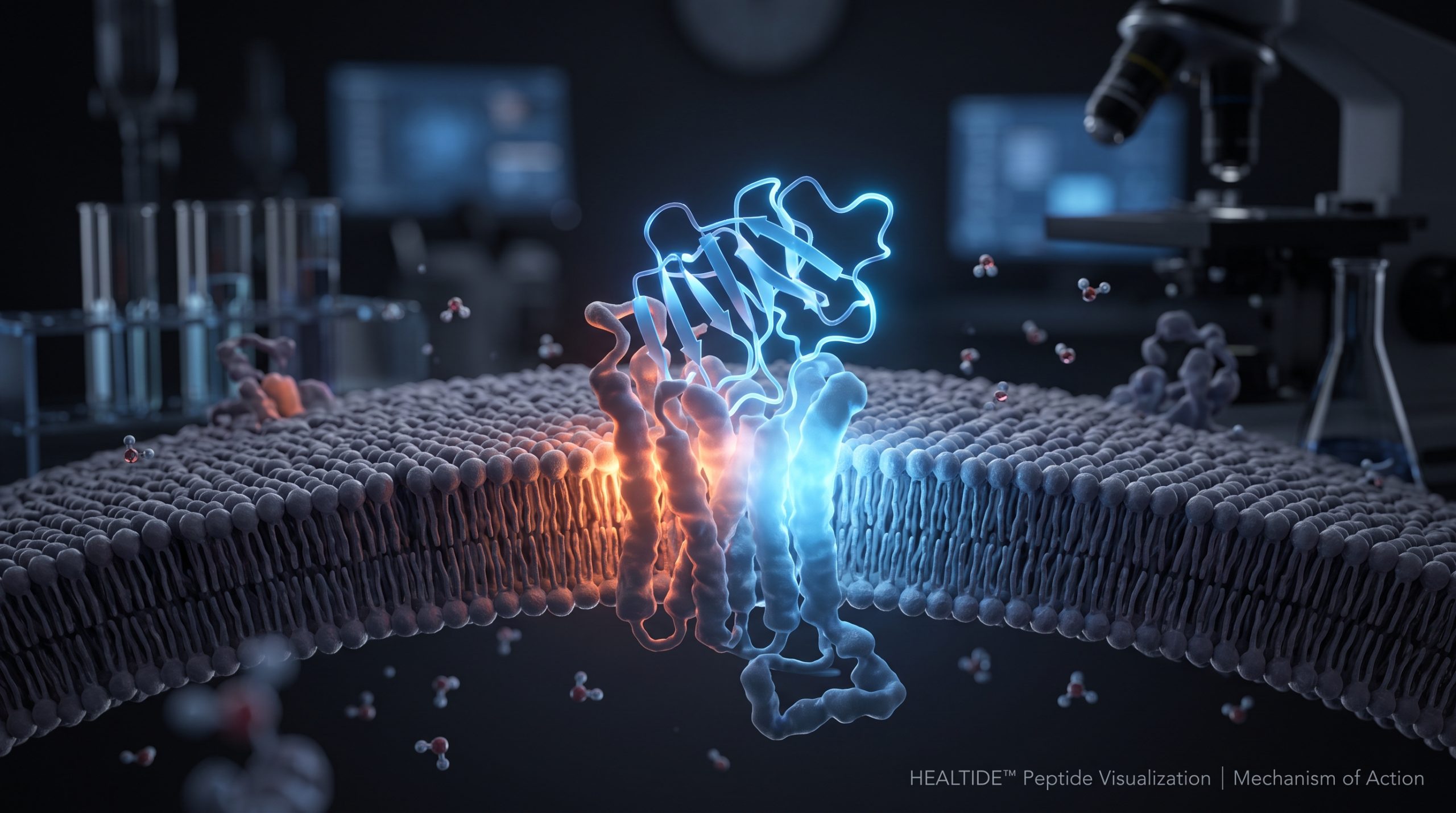
Through several mechanisms, including the production of TGF-growth factor, the peptide ICPPX demonstrates exceptional regeneration characteristics in joints and tendons. The creation of vital substances such as collagen I, collagen II, hyaluronic acid, and fibronectin is stimulated by ICPPX by activating fibroblasts, chondrocytes, and collagen biosynthesis. It is noteworthy because it simultaneously exhibits anti-inflammatory and pain-relieving actions by lowering IL-1 and TNF levels in ailments such as generative arthritis, tendon fasciitis, and inflammation of ligament tissue.
Along with helping to heal tissues, ICPPX also helps to reduce lactic acid buildup, which improves sports performance. Studies conducted in vivo & in vitro have shown that it can increase the production of collagen and other extracellular matrix (ECM) proteins by inducing the gene expression of these proteins.
Overall, ICPPX shows significant promise as a treatment for conditions such as tendon fasciitis, ligamentitis, osteoarthritis, and degenerative arthritis by reducing pain and inflammation and encouraging tissue regeneration.
What advantages does consuming collagen peptide offer?
Because collagen makes up so many vital parts of our bodies, it is helpful and essential for maintaining excellent health. Although there is substantial evidence that osteoarthritis supplements reduce osteoarthritis pain and keep skin hydrated, further research is needed to fully appreciate their potential health advantages, such as decreasing blood pressure & blood sugar levels. Below is a list of some advantages of collagen supplements.
· Give strength to the bone.
As you grow, the bones lose density & become more brittle, fracturing more easily and taking longer to mend. According to some studies, eating collagen powder regularly may help make your bones denser, reduce the aging process that causes them to become brittle, and stimulate the growth of new bone.
· Less pain from osteoarthritis
People with knee osteoarthritis may have less pain and better joint function if they take collagen supplements. It may take a daily treatment schedule of three to five months before you see these outcomes.
· A bigger muscle frame
A short study discovered that males supplemented with collagen peptides over a 12-week strength training program experienced greater strength and muscle mass gains.
· Improving heart health
Collagen helps to keep your blood vessels and arteries in shape. If you don’t have enough collagen, your arteries could become damaged. Brittle blood vessels are more susceptible to the development of atherosclerosis, which can result in a heart attack or stroke. Osteoarthritis supplements helps maintain the health of the arteries and lowers the occurrence of atherosclerosis, according to a small study on healthy persons.
· Skin hydration and suppleness
Collagen supplements have been shown to aid in skin hydration and suppleness retention in older adults.
Conclusion
Collagen has a variety of purposes, but in essence, it keeps our hair, skin, and nails strong and healthy, in addition to strengthening our bones, muscles, and connective tissue. For managing Osteoarthritis Pain: The Power of Supplements & ICPPX Peptides by AHB-Lab’s is very effective. Also including this in your diet or taking supplements can assist in restoring it since we lose collagen as we age. You may wish to take type 2 collagen peptides to maintain your muscles and joints or to help your skin seem firmer and younger. This supplement is relatively risk-free and helpful in promoting healthy aging.