Introduction
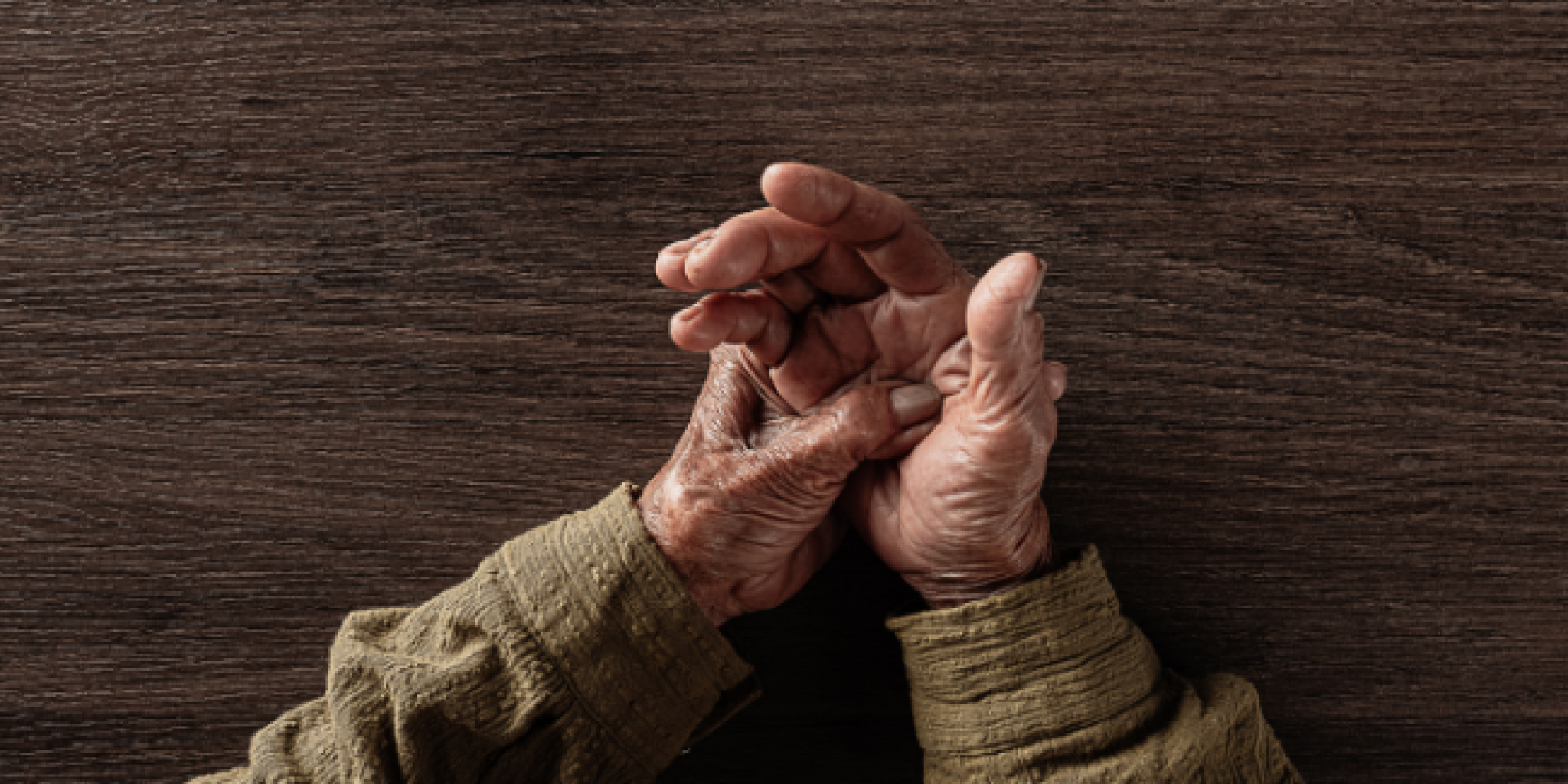
Degenerative joint disease (DJD), usually called osteoarthritis, is the most prevalent form of arthritis. Osteoarthritis is more prone to develop as people age. Despite rare exceptions, osteoarthritis changes usually occur gradually over a lengthy period of time. Joint discomfort, swelling, and deformity arrive on by joint inflammation and injury, which alters the bone structure and speeds up the aging of tendons, ligaments, and cartilage.
Osteoarthritis can come in two primary forms:
- Primary: Most often, generalized, mainly impacts the spine, hips, knees, great (large) toes, fingers, and thumbs.
- Secondary: Occurs in conjunction with a pre-existing joint abnormality, such as an injury or trauma from repetitive motion or sports, an inflammatory form of arthritis like rheumatoid, psoriatic, or gout, an infectious form of arthritis, a joint genetic disorder like Ehlers-Danlos (also known as hypermobility or “double-jointed”), a congenital joint disorder, or a joint metabolic disorder.
Who is impacted by osteoarthritis?

An X-ray will often reveal osteoarthritis in 80% of older persons or those 55 years of age and older. Thought to experience symptoms in 60% of these. According to estimates, among the 240 million individuals worldwide who experience osteoarthritis, symptoms are more than 30 million people live in the United States. Compared to men, women who have recently had menopause have a higher incidence of knee osteoarthritis.
Why does osteoarthritis develop?
Since primary osteoarthritis has many different causes and is not just “wear and tear” arthritis, it is a heterogeneous disease. Some OA risk factors, like being born with it or having it as a permanent condition, are modifiable, whereas others are not. Although not all older adults will develop osteoarthritis, and even among those who do, not everyone will experience pain; age is a contributing factor. In addition to the inflammatory and metabolic risks mentioned above, osteoarthritis can also be more common, especially with diabetes and high cholesterol.
It is possible to inherit both primary cases of osteoarthritis, such as nodular OA of the hands, and secondary cases connected to other genetic diseases, such as hypermobility of joints. Inflammatory and viral arthritis can hasten the onset of secondary osteoarthritis due to ongoing inflammation and joint destruction. Osteoarthritis may also result from past trauma or injury, particularly repetitive and sports-related activities.
Recent developments have been made despite the fact that the precise causes of bone degradation and cartilage loss remain unknown. It is believed that complex signaling pathways, joint inflammation, and insufficient healing mechanisms are to blame for the gradual degeneration of cartilage within joints. Exercise causes additional modifications that make the joint less flexible and functioning, which leads to joint discomfort.
The best way to treat osteoarthritis
It is impossible to treat osteoarthritis. A combination of pharmaceutical and non-pharmacological therapies typically works well to control mild to severe symptoms. Medical advice and recommendations consist of the following:
1. Medications
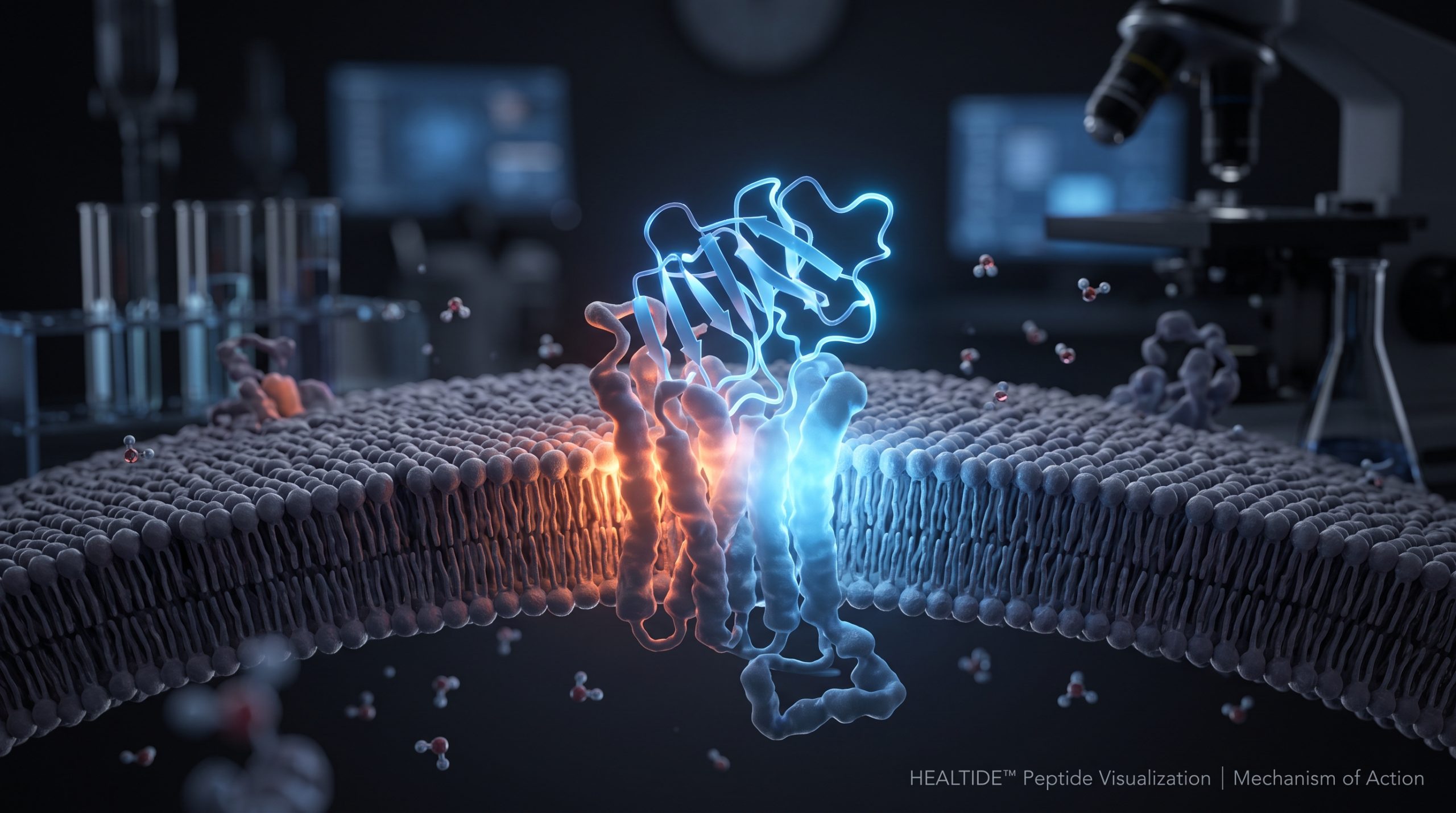
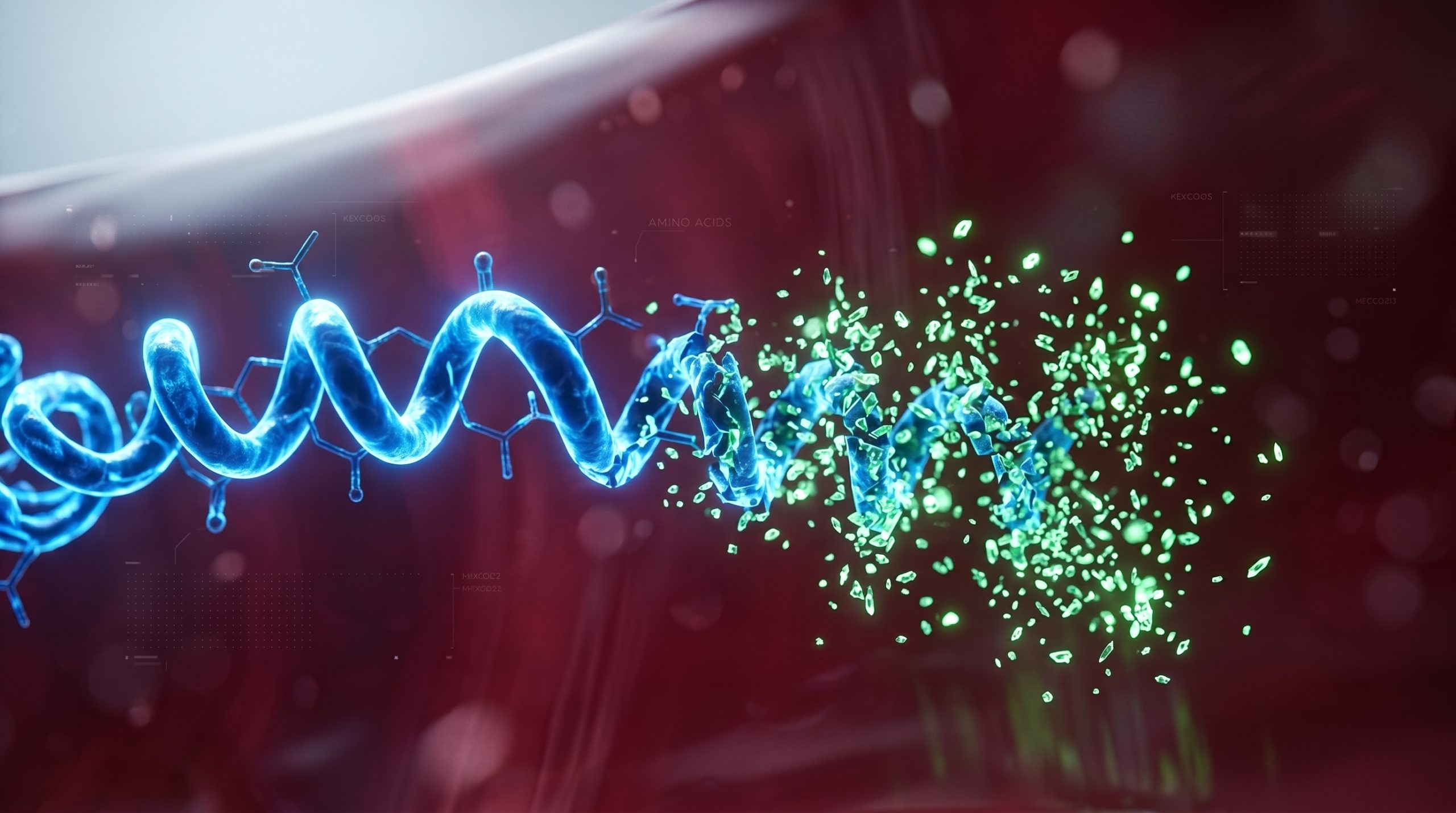
Osteoarthritis has grown much more slowly than other types of arthritis, which have recently seen major improvements. No medications are now available that have been demonstrated to completely reverse osteoarthritis or even to significantly slow its progression. The current goal of medical treatment is to lessen disease symptoms. Medicines that reduce pain include ICPPX Peptides. Through three mechanisms, including secretion of TGF-growth factor, fibroblast, chondrocyte, and collagen, it may stimulate and activate joint and tendon fibroblasts to synthesize collagen I and II, hyaluronic acid, and fibronectin. By lowering IL-1 and TNF levels in inflamed degenerative arthritis, tendon fasciitis, and ligament tissue, it may also have concurrent anti-inflammatory and pain-relieving effects and is the best peptide for joint pain.
2. Support devices
Supportive or assisting devices reduce the strain on the injured joints. Orthotics and braces aid in stabilizing and supporting uncomfortable, injured joints. Medical equipment must be used in accordance with instructions and under the supervision of a trained healthcare practitioner, such as a physical or occupational therapist. It is helpful to use shoe lifts or inserts, a cane, or a walker to relieve strain on specific joints and enhance body and gait mechanics.
3. Exercise
Exercise is crucial to enhancing muscle strength, joint stability, & flexibility. It suggests engaging in low-impact weight training, swimming, and water aerobics. They have been shown to make osteoarthritis sufferers feel more comfortable and have fewer functional restrictions. Exercise routines that are excessively demanding should be avoided since they may exacerbate arthritic symptoms and hasten the progression of the condition. Individuals with osteoarthritis can receive appropriate and customized exercise programs from physical or occupational therapists.
4. Warmth and cold treatments
Treatments between hot and cold may offer momentary pain and stiffness alleviation. These remedies include taking a hot shower or bath and gently applying heating or cooling pads or packs.
5. Weight management
Working to control weight better may help prevent and treat osteoarthritis because obesity is a known risk factor. Obese patients with osteoarthritis who are overweight have been shown to experience less stress after losing weight. It also lowers pain levels in weight-bearing joints and moderates the inflammatory processes that cause OA.
6. Surgery
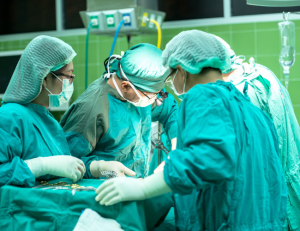
If your osteoarthritis pain is unmanageable and preventing you from going about your everyday activities, surgery may be a possibility. Patients with advanced osteoarthritis are often the only ones who receive it. They use numerous methods, such as minimally invasive joint replacement. Today, joint surgery can be quite effective in restoring some function and reducing pain for the right people, despite its hazards.
What exactly is ICPPX?
A dietary osteoarthritis supplement called ICPPX is created from fish or animal products. Through three mechanisms, including fibroblast, chondrocyte, and TGF-growth factor secretion, it may stimulate and activate joint and tendon fibroblasts to synthesize collagen I, collagen II, hyaluronic acid, and fibronectin. Lowering IL-1 and TNF concentrations in inflamed degenerative arthritis, tendon fasciitis, and ligament tissue may also have simultaneous anti-inflammatory and pain-relieving effects. The peptide that treats osteoarthritis, degenerative arthritis, tendon fasciitis, and ligamentitis heals tissue, lessens lactic acid build-up, and relieves pain and inflammation.
- Gene expression occurs for collagen and other extracellular matrix (ECM) proteins.
- Increases the formation of ECM and collagen
- Both in vivo and in vitro studies demonstrate anti-inflammatory properties.
- The metabolism of lactic acid also improves athletic performance.
Is it safe to use?
The use of ICPPX Peptides is safe and has few significant adverse effects. Minor negative consequences include:
- Feeling sluggish or heavy in the stomach
- Light diarrhea
- Rashes
Conclusion
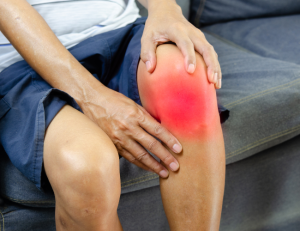
Anti-inflammatory and analgesic medications, surgical techniques, and rehabilitation to promote a healthy body weight, way of life, and physical activity are the mainstays of OA management and therapy. But in addition to conventional clinical treatment of joint pain by AHB-Lab serves as an ongoing strategy for controlling and preventing OA. By influencing immune response, redox balance, and free-radical scavenging, nutritional interventions could balance joint tissue’s anabolic and catabolic processes. It provides the building blocks for synovial fluid and the extracellular cartilage matrix.