Introduction
Your mouth can become a home to bacteria if you don’t take good care of your oral health and it could lead to multiple problems and even severe oral diseases that are very costly and painful to treat.
Maintaining good oral health is important for general well-being. However, sometimes, even after all the care and precautions, it so happens that you come across dealing with oral problems such as gingivitis and periodontitis. These problems are essential to be treated and generally, antibiotics or surgery are prescribed.
However, while antibiotics and surgery are common therapies for many oral and dental problems, they may be invasive and have dangerous adverse effects. So, it’s natural for you to look for some alternative that is a little less painful and comes with minimal to no side effects.
Recent research shows that oral antimicrobial peptides (AMPs) may offer a safe and effective alternative. Dental AMPs are naturally occurring short sequences of amino acids that target dangerous bacteria instead good bacteria.
These peptides have shown potential in preventing and treating oral problems, such as decreasing inflammation and supporting healthy gum tissue formation. Furthermore, dental AMPs can be easily incorporated into oral health products such as toothpaste and mouthwash.
This article will explore the potential of dental AMPs, including AGRP peptides and peptides for gums, in boosting oral health and revolutionizing the prevention and treatment of oral diseases.
What are Dental Antimicrobial Peptides?

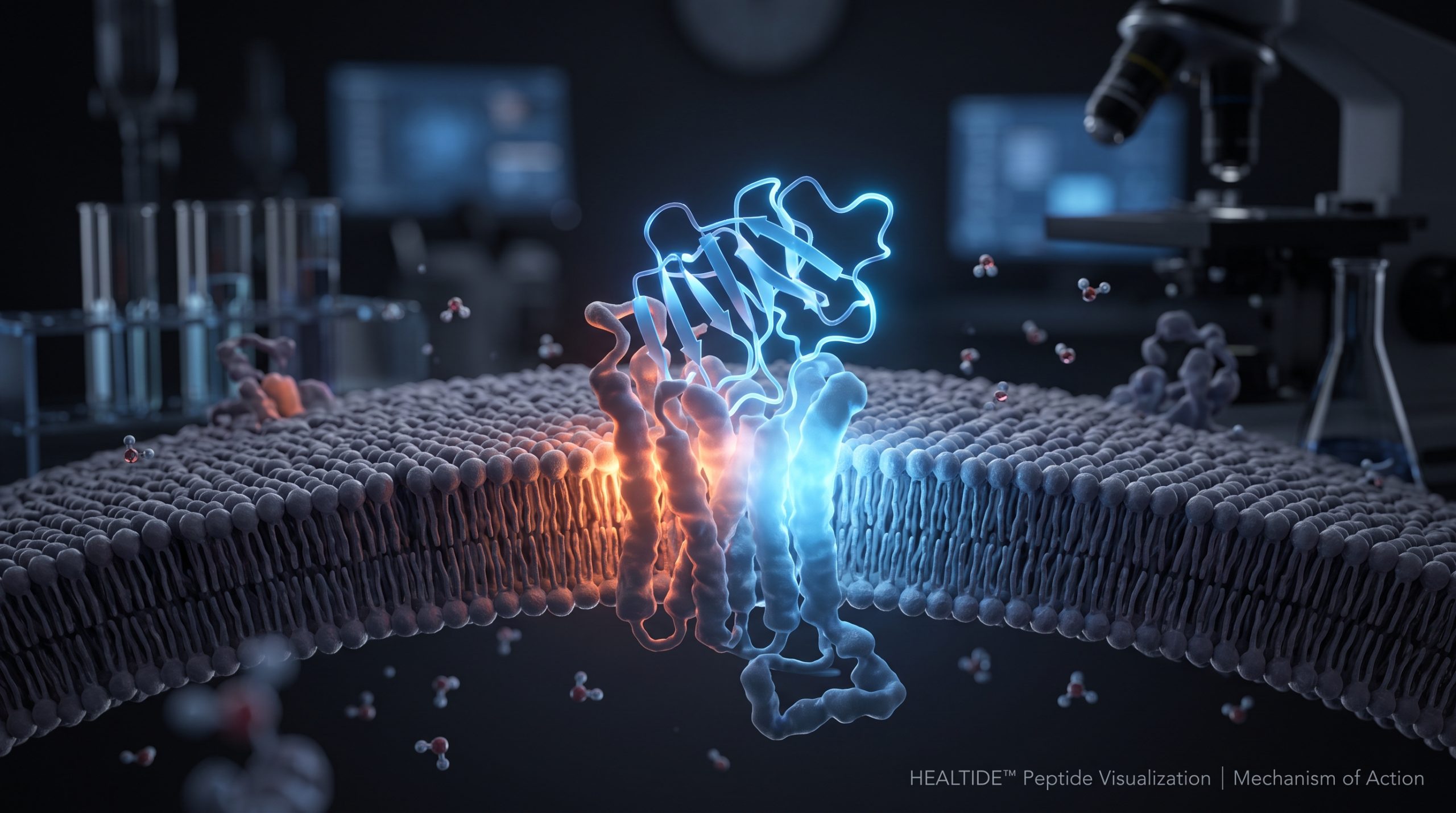
Dental AMPs are tiny proteins the body naturally produces to protect itself from infection. These peptides, abundant in saliva, gingival crevicular fluid, and other oral fluids, help inhibit the growth of dangerous bacteria and fungi. Dental AMPs attack the cell membranes of bacteria, causing them to burst and die.
Applying dental AMPs as a therapeutic strategy to oral disorders is an intriguing new study area. Dental AMPs are very selective, targeting just pathogenic bacteria and fungi, as opposed to standard antibiotics, which target a wide spectrum of microorganisms. This means that dental AMPs are less likely to induce side effects and are less likely to contribute to antibiotic resistance development.
Types of Dental Antimicrobial Peptides
Dental AMPs come in various forms, including AGRP peptides, dental care peptides, and gum peptides. These peptides have distinct features that make them useful in preventing and treating oral disorders.
AGRP Peptide
AGRP peptide is a biosynthetic peptide material that is formed through the fermentation process and is used to treat dental problems such as periodontal disease or oral mucosa disease. The treatment is supported by peptide-promoting collagen synthesis and epithelial cell growth. In addition to promoting epithelial cell growth, it also helps prevent cell destruction from free radicals. It is also great at reducing inflammation and making you feel more relieved of dental pains. The peptide is also useful for repairing gum tissues and making them stronger.
Peptides for Gums
Peptides for gums are dental AMP created specifically to support gum health. These peptides encourage the formation of new gum tissue, which can aid in preventing gum disease. Peptides for gums successfully reduce inflammation, promote tissue regeneration, and inhibit the formation of dangerous bacteria in the mouth.
The Potential of Dental Antimicrobial Peptides
Dental AMPs have considerable promise for preventing and treating oral diseases. These peptides effectively inhibit the growth of pathogenic bacteria and fungi, reduce inflammation and stimulate tissue regeneration. Furthermore, dental AMPs are less likely to cause side effects and contribute to the development of antibiotic resistance.
The use of dental AMPs is an intriguing new area of research that can change how oral illnesses are treated. Dental AMPs may provide a safer and more effective alternative to standard treatments for oral disorders by attacking specific germs and stimulating tissue regeneration.
AHB Lab: A Leader in Dental Antimicrobial Peptide Research
AHB Lab is a pioneer in the study and development of dental antimicrobial peptides. The company aims to create safe and effective treatments for oral illnesses to enhance patient outcomes and promote a healthier smile.
AHB Lab’s research focuses on developing innovative dental AMPs, such as AGRP peptides, dental care peptides, and gum peptides. The company has undertaken a considerable study on the safety and efficacy of these peptides, demonstrating their capacity to reduce inflammation, limit the growth of harmful bacteria and fungi in the mouth, and promote tissue regeneration.
AHB Lab is optimizing the distribution of these peptides to the oral cavity and produces new dental AMPs that are distributed by AGRP peptide and dental care peptide suppliers. The company has created novel delivery technologies that improve the efficacy of dental AMPs while also ensuring that they are administered precisely where they are needed in the mouth.
AHB Lab is dedicated to furthering dental AMP research and works with prominent academic and industrial partners to develop and commercialize these innovative medicines. AHB Lab is well-positioned to alter the treatment of oral illnesses and enhance patient outcomes by utilizing its experience in dental AMPs and revolutionary delivery methods.
Conclusion
Dental AMPs are a promising breakthrough in oral health research, as they have demonstrated their ability to target harmful bacteria and promote tissue regeneration selectively. The strength of these peptides rests in their capacity to kill pathogenic bacteria while leaving helpful germs alone, which is essential for maintaining a healthy oral microbiome. Dental AMPs are less likely to contribute to developing antibiotic resistance, a rising medical problem.
AHB LAB is a pioneer in the creation of dental AMPs, with an emphasis on developing safe and effective treatments for oral diseases. Their cutting-edge research has resulted in the development of novel delivery systems that enable more efficient and targeted distribution of dental AMPs. Furthermore, AHB Lab‘s dedication to the sector has developed novel dental AMPs with increased potency and specificity.
AHB Lab is positioned to transform the treatment of oral problems and enhance patient outcomes globally with its revolutionary approach to oral health. AHB Lab is paving the road for a healthy future for millions of people by investing in dental AMP research.